Maison Tisane
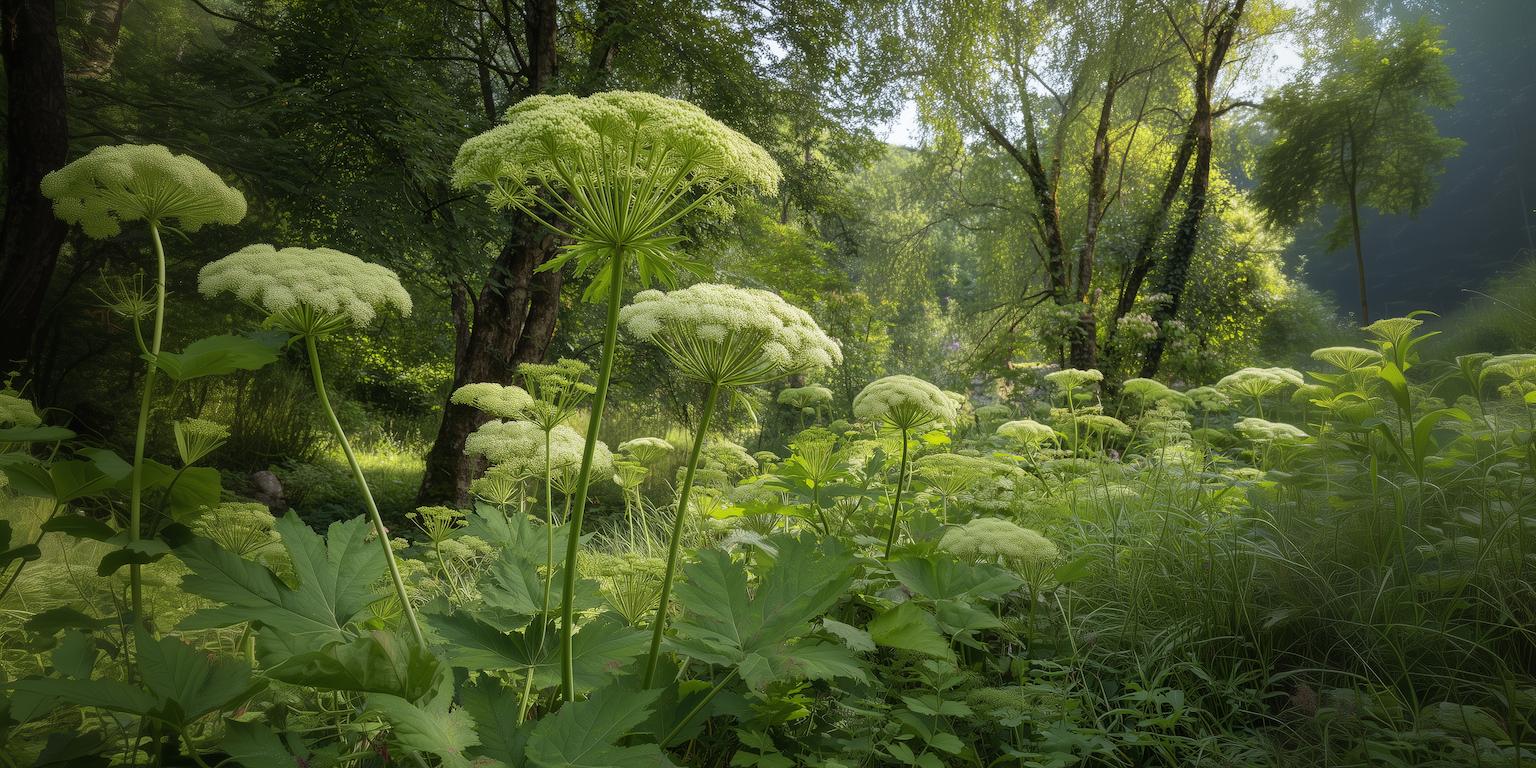
The Angelica archangelica, pure and in full growth (hero image)

Botanical cuisine

Angelica root

Angelica archangelica

Why we love this botanical

Angelica root has a scent that feels both earthy and invigorating: warmly spicy, lightly resinous, and with a green freshness that evokes stem and forest edge. In the cup, the root gives a deep amber color and a full, dry texture. The aroma unfolds slowly, with notes of root, spice, and a hint of camphor in the background. As a result, angelica root feels robust and enveloping, but never heavy.

In tea and herbal compositions, angelica often functions as a supporting base layer. It connects floral or citrusy notes with darker spices and gives a blend length, body, and a calm bitter note in the finish. Especially alongside fennel, coriander, cardamom, licorice, or orange peel, it brings cohesion, because its root-like warmth both rounds out and deepens. Precisely that combination of structure and aromatic lift makes it valuable in blends for cooler seasons.
Habitat & Origin

Angelica is originally native to cool, moist regions of Northern and Eastern Europe, from riverbanks and wet grasslands to mountainous meadows with deep, humus-rich soil. The plant likes cool summers, plenty of soil moisture and open light, but also tolerates harsher climates, which partly explains its robust aromatic profile. For culinary and herbal use it is also cultivated in parts of France, Germany, Belgium and Scandinavia. The root is generally harvested before full flowering or in the autumn of the first to second year of growth, when the aromatic reserves are still concentrated in the underground part.

Active compounds

The character of angelica comes mainly from volatile essential oils, rich in monoterpenes such as alpha-pinene, phellandrene and limonene, which together provide a green, resinous and spicy aroma. In addition, coumarins and bitters contribute to the dry depth and the slightly bitter, long finish. When dried, the profile becomes rounder and less fresh-green; a warm, longer extraction or light decoction mainly brings out more body, root note and aromatic length.

Ayurvedic approach

Angelica root does not belong to the classical principal plants of Ayurveda, but in Ayurvedically inspired herbalism it is regarded as clearly warming and mobilizing. From that perspective it fits especially with cold, sluggish, or damp qualities and is more readily associated with tempering heavy Kapha characteristics and grounding mobile Vata when cold gains the upper hand. In historical European herbal practice the root was given a similar place: as an aromatic winter root, used in bitters, digestifs, and spicy infusions.

Thermal energy (Virya) heating

Pitta

Increasing

Increasing Balancing

Effect: light increasing

Vata

Balancing

Increasing Balancing

Effect: strong balancing

Kapha

Balancing

Increasing Balancing

Effect: strong balancing

Dosha’s & tea
Ayurveda

Tea Blog

Dosha’s & tea

What Ayurveda understands by Vata, Pitta and Kapha — and how that provides direction for tea.

Read the article

Flavour profile & Blending

Intensity

Strong

Accessibility

Accessible

Character

lingering, earthy, vegetal, resinous, spicy, full, bitter

Role in the blend

Strong herb (2.5–5%): contributes noticeably to the flavour profile and should be dosed with care.

The indicated percentage refers to the approximate weight proportion of this herb within the total blend, but it can of course be adjusted to give the herb a more dominant or more subtle role.

In blends, angelica combines beautifully with fennel seed, coriander seed, cardamom, cinnamon, orange peel and licorice. With chamomile or linden blossom it forms a warmer, earthy undertone; with citrus peels and spices it acts precisely as a bridge between freshness and depth. Use it sparingly as a base or structuring agent: it carries, connects and lengthens the finish without sweetening the whole.

An infusion of angelica pairs well with candied citrus, pears, apple pastries, rye bread, honey, dark chocolate and cream desserts. The earthy, resinous warmth harmonizes nicely with spices such as cardamom and cinnamon, while its slight bitter note adds more tension to sweeter preparations. It can also work surprisingly well alongside rich cheeses or game pâté, precisely because of its dry, aromatic length.

More flavour details

Selection guide (aroma directions)

Intensity
7
Freshness
2
Citrus
1
Fruity
1
Floral
1
Spicy / Herbal
6
Earthy / Woody
7

Food pairing (structure)

Sweetness
4
Sourness
1
Bitterness
5
Astringency
2
Body
5
Aftertaste length
7
Sharpness / Pungency
4
Blending notes: vegetal (6/10), resinous (6/10)
Flavour appreciation
Taste

Tea Blog

Flavour appreciation

Learn to taste tea mindfully — from aroma and intensity to mouthfeel and food pairing.

Read the article

Precautions

An aromatic root. Best avoided during pregnancy.

Experience Angelica root

Discover the versatility of this botanical in our blends, or use it as the foundation for your own creation in our Blendstudio.


Contact

Reach us via chat
Chat WhatsApp
9am-6pm on working days
Reach us by email
E-mail contact@maisontisane.nl
Response usually the same working day
Reach us by phone
Call 040 – 240 5807
9am-6pm on working days

Create your own

Blendstudio Workshops

Inspiration

Botanicals Tea Blog

You can shop safely with us

You can shop safely with us (Webwinkel Keurmerk)

Pay securely with:

iDEAL VISA Mastercard American Express Riverty PayPal

Shopping Cart

( )

Your cart is empty

Total