Maison Tisane
Cooling or Warming? (hero image)

Cooling or Warming?

A gentle guide to herbs that refresh or warm — attuned to the season and the moment.

Cooling or Warming: How to Choose Tea for Every Moment

Sometimes you want a cup that refreshes; sometimes one that feels like a scarf. In ancient herbal traditions such as Ayurveda and Chinese herbal medicine, this difference is described as cooling or warming. Seen this way, tea becomes a small form of self-knowledge: you choose not only by taste, but also by moment, season, and how you feel. At Maison Tisane, we place all our blends and ingredients on a spectrum ranging from cooling to warming. This creates a clear compass making it easy to filter accordingly.

Cooling or warming may sound grand, but in practice it comes down to small signals: do you feel warm or cold, does your head feel crowded or clear, do you long for something light or something round. The pitfall is drinking one favorite infusion all year long, while July asks for something different than January. A second pitfall is confusing “cooling” with ice-cold, or “warming” with sharpness.

Make it a mini ritual: breathe in the scent of your herbs, choose with intention, and pour slowly. Botanical luxury lives in attention, cup by cup.

Silhouette of a person sitting calmly in meditation in soft morning light

Thermal direction as a compass

In Ayurveda and Chinese herbalism, there is the concept of a thermal direction: some herbs feel cooling, others warming. It’s not about the temperature of your cup, but about the character in your body and senses: fresh versus round, light versus spicy. It is a gentle way to choose your tea based on the season, the time of day, and how you feel.

Body sensitivity: feel first, then choose

In practice, this is less about “knowledge” and more about perception. Do you need warmth, or rather cooling? We call this body sensitivity: the ability to take small signals seriously and tune your head to them. The goal is simple: choose more consciously, move more calmly, taste more attentively.

Two questions that help immediately

Do you need cooling?
Do you feel heat, restlessness, a busy mind, or a need for something light?

  • mint, peppermint
  • fennel seed
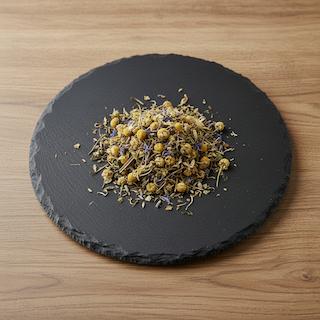
  • chamomile, linden blossom
  • light, fresh infusions

Also nice after dinner: brew it gentle. In Ayurveda, it is often said that warm fits best with digestion, but you can also serve the same cup cool if that feels better.

Are you looking for warmth?
Are you cold, do you feel empty, sluggish, or in need of grounding?

  • ginger
  • cinnamon, aniseed
  • coriander seed, licorice
  • spicy, round infusions

Often fits a long day: steeping a bit longer gives more depth and roundness.
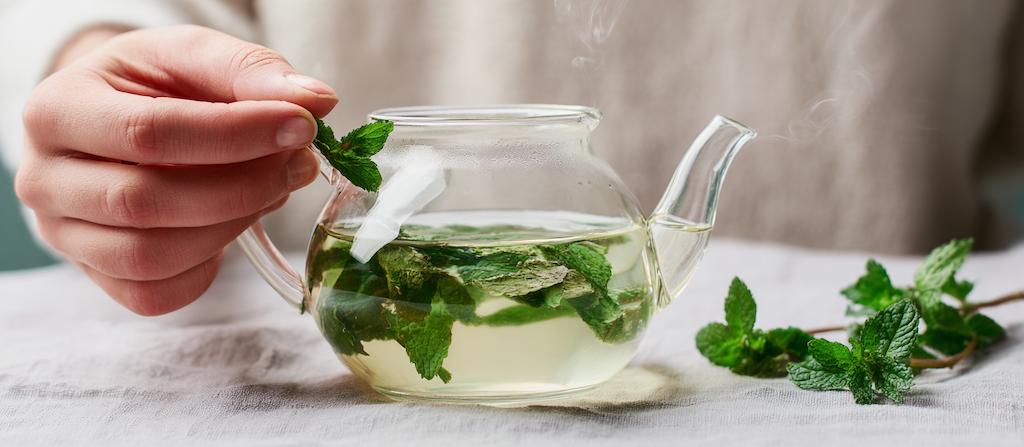
Cooling: fresh mint tea

If you need cooling, fresh mint is often the most direct answer: fresh, open, light. Even if it isn't necessarily warm outside.

How to make fresh mint tea

  • Use a handful of fresh mint leaves.
  • Rinse them briefly and bruise them slightly between your fingers.
  • Pour hot water (just below boiling) over them.
  • Let steep for 8–10 minutes, covered.

Tip: smell under the lid: if the scent already feels “cool,” you are usually on the right track.

 Fresh mint tea gently infusing in a clear glass teapot

No fresh mint at home?

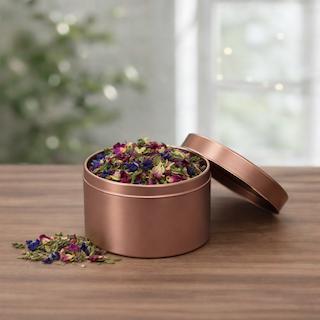
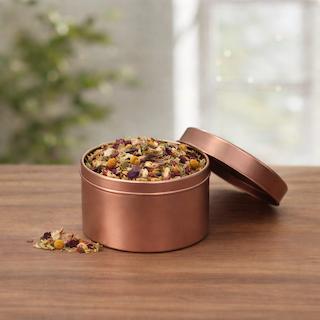
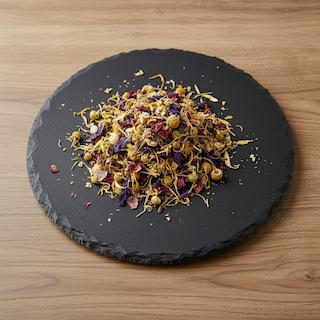
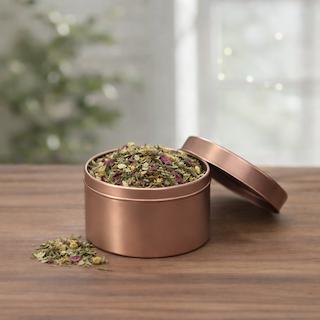
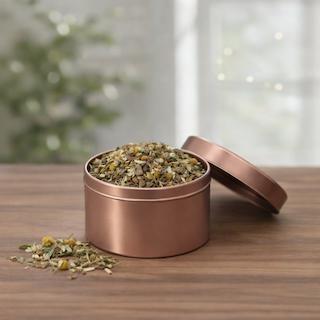
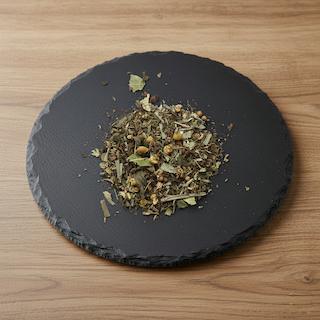
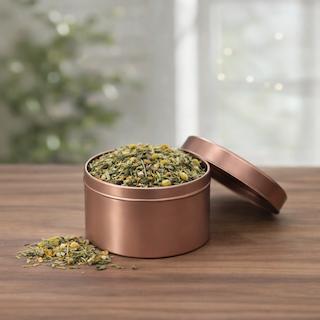
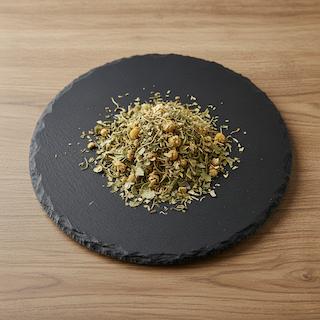
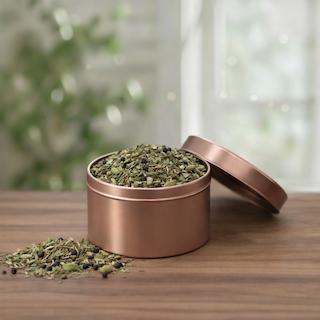
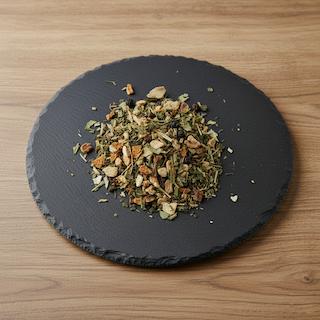
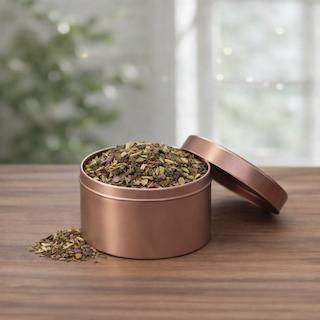
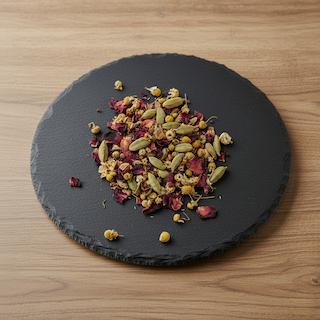
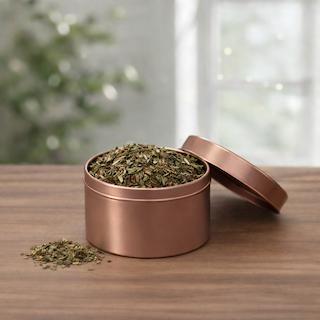
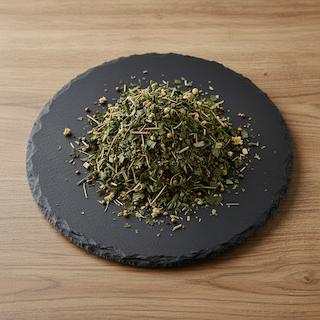
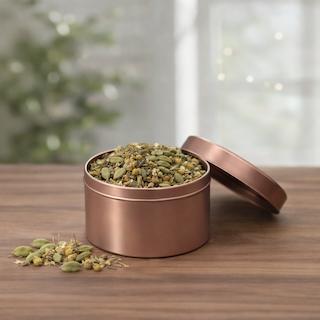
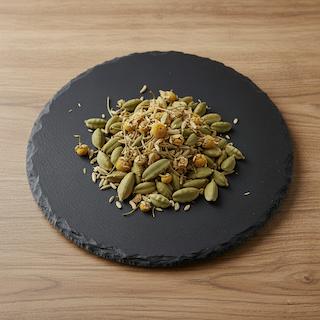
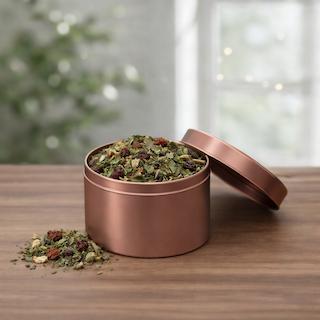
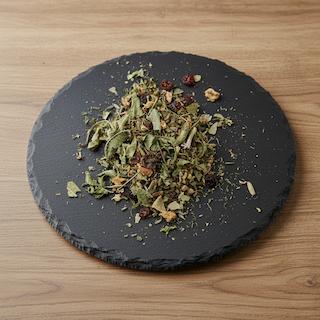
Digestive Tea is cooling and refined: peppermint and mint as a fresh core, supported by fennel seed, linden blossom, and chamomile. Coriander and cumin seeds make it round, with lemongrass and lavender for a light, open finish. Pleasant after a meal or on warm afternoons.

Cooling is not just “for the summer.” Sometimes it is exactly what you need after a full day: to feel space again, to breathe calmly, and to open your senses. Want to drink your cooling tea cold? Brew it a bit stronger (using slightly more spices or a longer steeping time), let it cool, and pour it over ice cubes. This keeps the flavor present without needing sugar to make it “exciting.”

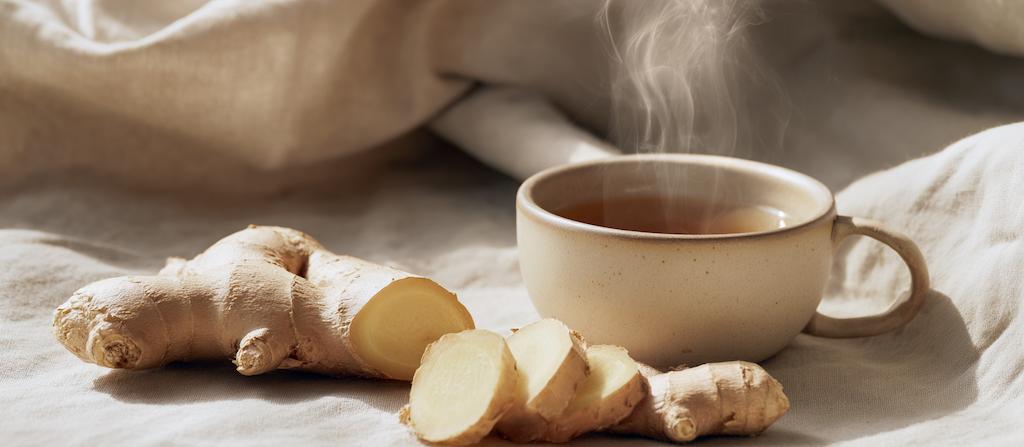
Warmth: fresh ginger tea

When your body asks for warmth, fresh ginger is often the clearest signal. It is clear, spicy, and directive — a cup that brings you back into your body. Ideal on cold days, with a sluggish feeling, or when your energy feels diffuse.

Two ways: infusion or decoction

Infusion (mild and round)

  • Slice 3–5 thin slices of fresh ginger.
  • Pour hot water over them.
  • Let steep for 10 minutes for a round warmth.
  • For softer: less ginger or shorter steeping time.

Decoction (deeper extract)

  • Put ginger slices in a small saucepan with water.
  • Let simmer gently for 10 minutes.
  • Strain and serve — cover the cup if desired.
  • Suitable if you want maximum extraction from the root.

Warmth without sharpness

Warming herbs don't have to become “hot.” Often it is beautiful to tame the intensity: dose a little less, steep a little longer, and above all, cover it. Then it becomes round instead of pungent.

 Warm ginger tea with fresh ginger root in natural light

Vata No2 as a warming ritual

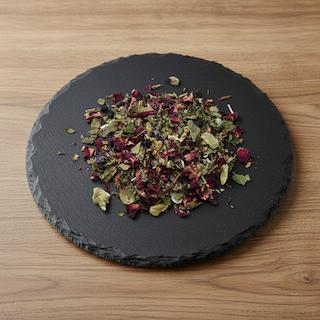
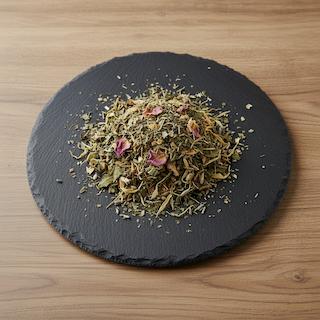
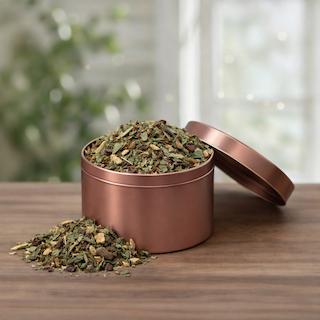
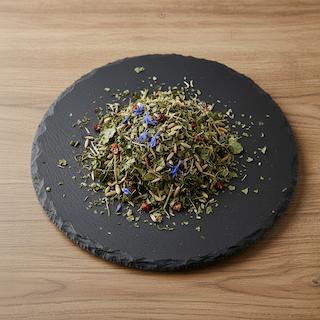
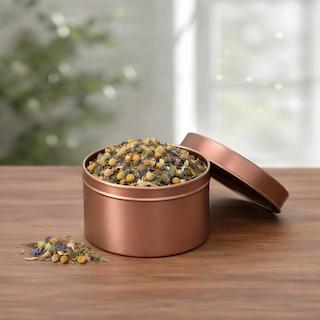
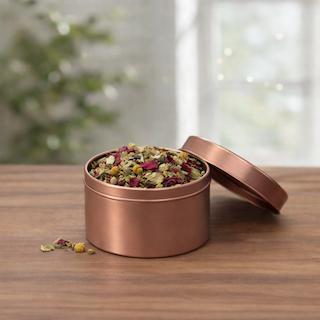
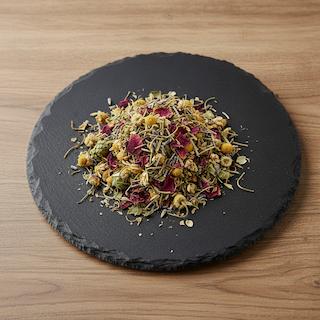
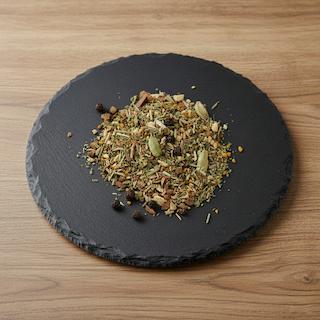
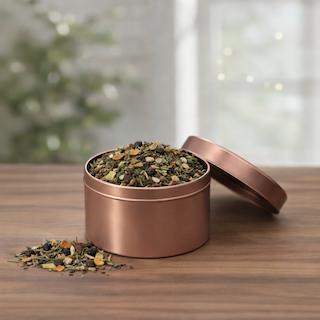
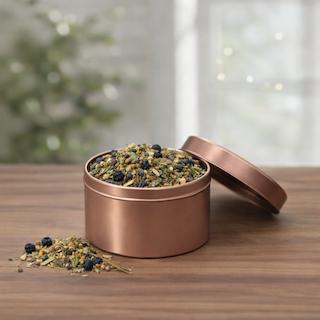
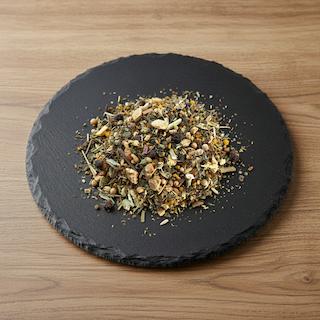
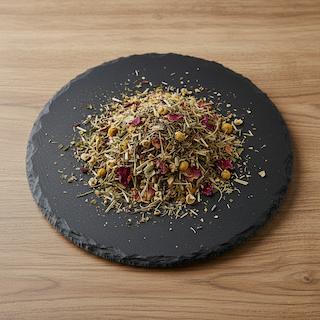
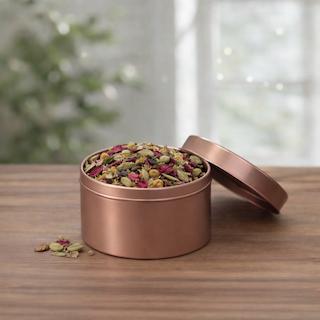
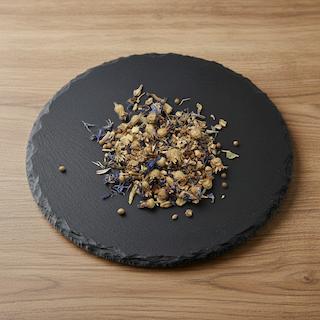
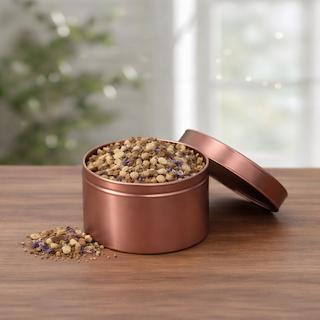
Vata No2 builds on the same warming logic, but with more layering. Ginger and licorice form the core, complemented by aniseed, coriander seed, and cinnamon for a soft, supporting warmth. The blue cornflower brings balance and refinement. This blend fits moments when you seek not only warmth, but also peace and coherence.

Warmth can feel like coming home: a slower rhythm, a softer breath, more presence. If your body asks for that, it is often the best compass there is.

A gentle ritual of choosing

Tea is more than flavor: it is a way of attuning to your body, the moment, and the season. By consciously choosing between cooling and warming, tea shifts from a simple drink into a gentle ritual—one that invites you to slow down, sense, and adjust. Your hand on the jar, one calm breath, and the question what fits now? Not rules or schedules matter here, but presence, cup by cup.

Three steps that always work

  1. Smell: fresh and green often points to cooling; spicy and round often points to warmth.
  2. Brew: cover, give it time, and taste halfway through. You can always adjust with steeping time or dosage. See also our brewing guide.
  3. Remember: note down one sentence (for example “mint after lunch = light”, or “ginger in rain = nice”). This way you build your own compass.
Discover our cooling tea blends

Discover our warming tea blends

Contact

Reach us via chat
Chat WhatsApp
9am-6pm on working days
Reach us by email
E-mail contact@maisontisane.nl
Response usually the same working day
Reach us by phone
Call 040 – 240 5807
9am-6pm on working days

Create your own

Blendstudio

Inspiration

Botanicals Blog

You can shop safely with us

You can shop safely with us (Webwinkel Keurmerk)

Pay securely with:

iDEAL VISA Mastercard American Express Riverty PayPal

Shopping Cart

( )

Your cart is empty

Total