Maison Tisane
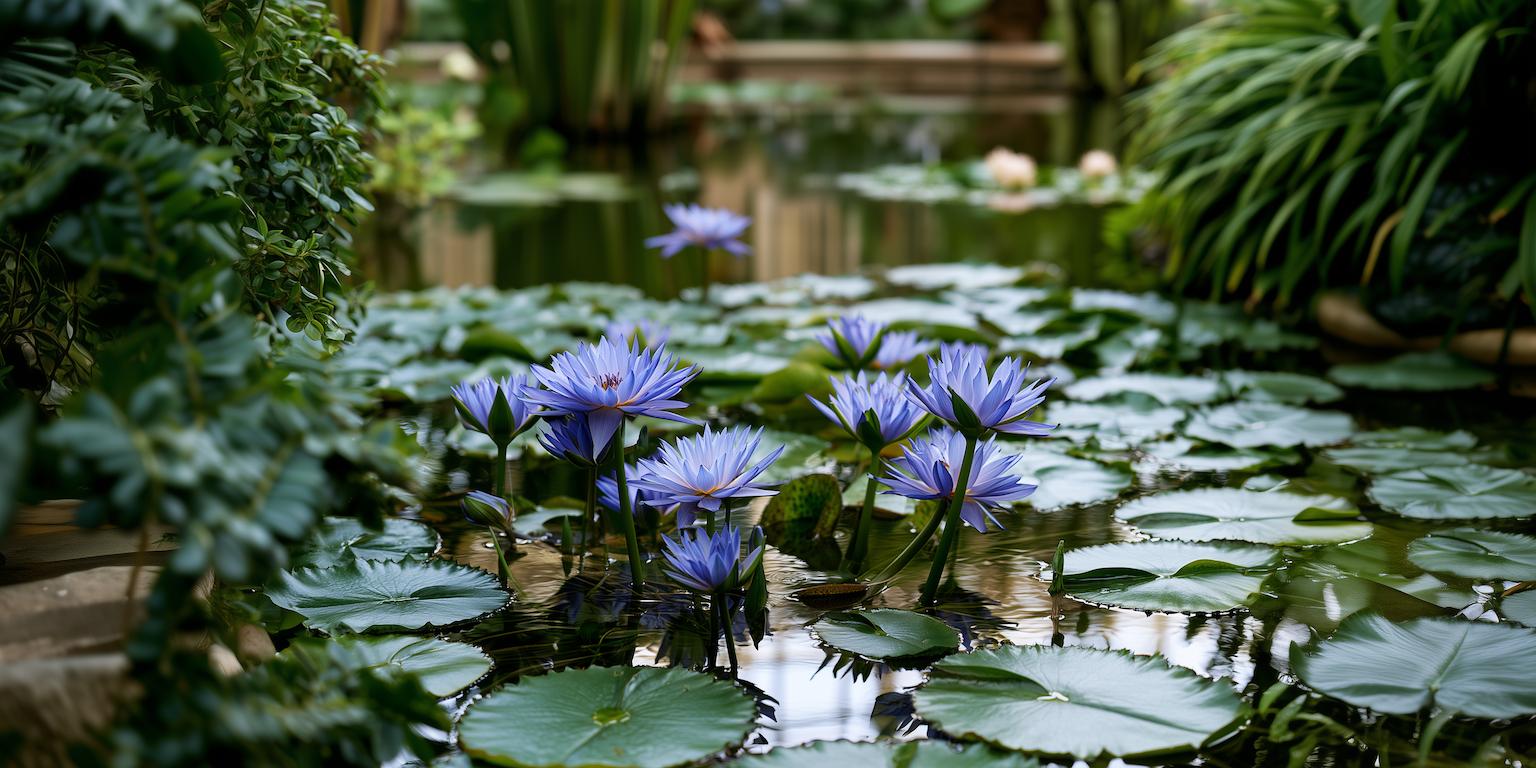
The Nymphaea caerulea, pure and in full growth (hero image)

Botanical cuisine

Blue Lotus flower

Nymphaea caerulea

Why we love this botanical

Blue lotus unfolds in the cup like a soft, floral mist with a lightly sweet, almost honeyed undertone. The aroma is rounded and dreamy, with a subtle spiciness that slowly opens as the infusion rests. The colour leans toward warm gold with a gentle glow, while the taste remains velvety smooth and shows hardly any bitterness. The whole feels calm and grounded, with a restrained depth that invites slow sipping.

In botanical blends, blue lotus brings a connecting softness that rounds off sharp edges and deepens floral notes. It acts as a harmonising element, in which floral and lightly spicy ingredients find each other without overpowering. In tea compositions, it is often used to create calm and balance, with its subtle sweetness forming a natural counterpoint to fresh or lightly bitter components. This creates a layered infusion that gradually unfolds.
Habitat & Origin

Blue lotus originally grows in still or slow-moving water in parts of North and East Africa, particularly along the banks of the Nile and in marshy areas. The plant takes root in muddy soils while its leaves and flowers unfold on the water’s surface. It thrives in warm climates with plenty of sunlight, where the flower opens during the day and closes again at dusk. Traditionally, the flowers are harvested by hand when fully open, after which they are carefully dried to preserve their delicate aroma.

Active compounds

The aromatic softness of blue lotus arises from an interplay of volatile floral compounds and lightly earthy alkaloids. These substances contribute to the infusion’s rounded mouthfeel and subtle sweetness. During drying, the aromatic components become more concentrated, allowing the flower to retain its distinctive soft and lightly spicy profile. With warm extraction, these notes are released gradually, resulting in an even, gentle development of flavor without sharp peaks.

Ayurvedic approach

Although blue lotus is not a classic Ayurvedic plant, its energetic character aligns with a cooling and soothing approach. In broader herbal traditions, the flower is associated with calm and stillness, fitting for moments of reflection or evening rituals. Its gentle, lightly sweet nature is seen as balancing for inner restlessness, without becoming heavy or grounding. This makes it well suited to a context in which softness and balance take center stage, rather than intensity or stimulation.

Thermal energy (Virya) cooling

Pitta

Balancing

Increasing Balancing

Effect: strong balancing

Vata

Balancing

Increasing Balancing

Effect: light balancing

Kapha

Balancing

Increasing Balancing

Effect: light balancing

Dosha’s & tea
Ayurveda

Tea Blog

Dosha’s & tea

What Ayurveda understands by Vata, Pitta and Kapha — and how that provides direction for tea.

Read the article

Flavour profile & Blending

Intensity

Strong

Accessibility

Accessible

Character

floral, lingering, sweet

Role in the blend

Balanced herb (10–20%): creates a harmonious foundation and supports the other flavours.

The indicated percentage refers to the approximate weight proportion of this herb within the total blend, but it can of course be adjusted to give the herb a more dominant or more subtle role.

Blue lotus blends harmoniously with rose, jasmine, and lavender to create a refined floral composition. In blends with lemon balm or chamomile, it softens fresh and herbal accents. It primarily serves as a unifying base that rounds out and deepens other botanicals, without becoming dominant itself. In more complex blends, it brings calm and cohesion between diverse layers of flavor.

An infusion of blue lotus pairs well with light desserts such as panna cotta, rice pudding, or almond pastries, where its floral softness supports the creamy character. It also creates a natural harmony with honey, apricot, and peach. In savoury settings, it combines subtly with mild cheeses or rice-based dishes, where its gentle aroma offers a calm, rounded counterpoint.

More flavour details

Selection guide (aroma directions)

Intensity
5
Freshness
2
Citrus
1
Fruity
3
Floral
8
Spicy / Herbal
2
Earthy / Woody
3

Food pairing (structure)

Sweetness
5
Sourness
1
Bitterness
3
Astringency
2
Body
4
Aftertaste length
6
Sharpness / Pungency
1
Blending notes: vegetal (3/10), resinous (2/10)
Flavour appreciation
Taste

Tea Blog

Flavour appreciation

Learn to taste tea mindfully — from aroma and intensity to mouthfeel and food pairing.

Read the article

Precautions

May cause drowsiness and altered perception; do not use during pregnancy, when taking medication, or before driving, and do not combine with alcohol.

Experience Blue Lotus flower

Discover the versatility of this botanical in our blends, or use it as the foundation for your own creation in our Blendstudio.


Contact

Reach us via chat
Chat WhatsApp
9am-6pm on working days
Reach us by email
E-mail contact@maisontisane.nl
Response usually the same working day
Reach us by phone
Call 040 – 240 5807
9am-6pm on working days

Create your own

Blendstudio Workshops

Inspiration

Botanicals Tea Blog

You can shop safely with us

You can shop safely with us (Webwinkel Keurmerk)

Pay securely with:

iDEAL VISA Mastercard American Express Riverty PayPal

Shopping Cart

( )

Your cart is empty

Total

Shared cart

Someone has shared a cart with you. Would you like to add these products to your cart?

Total