Maison Tisane
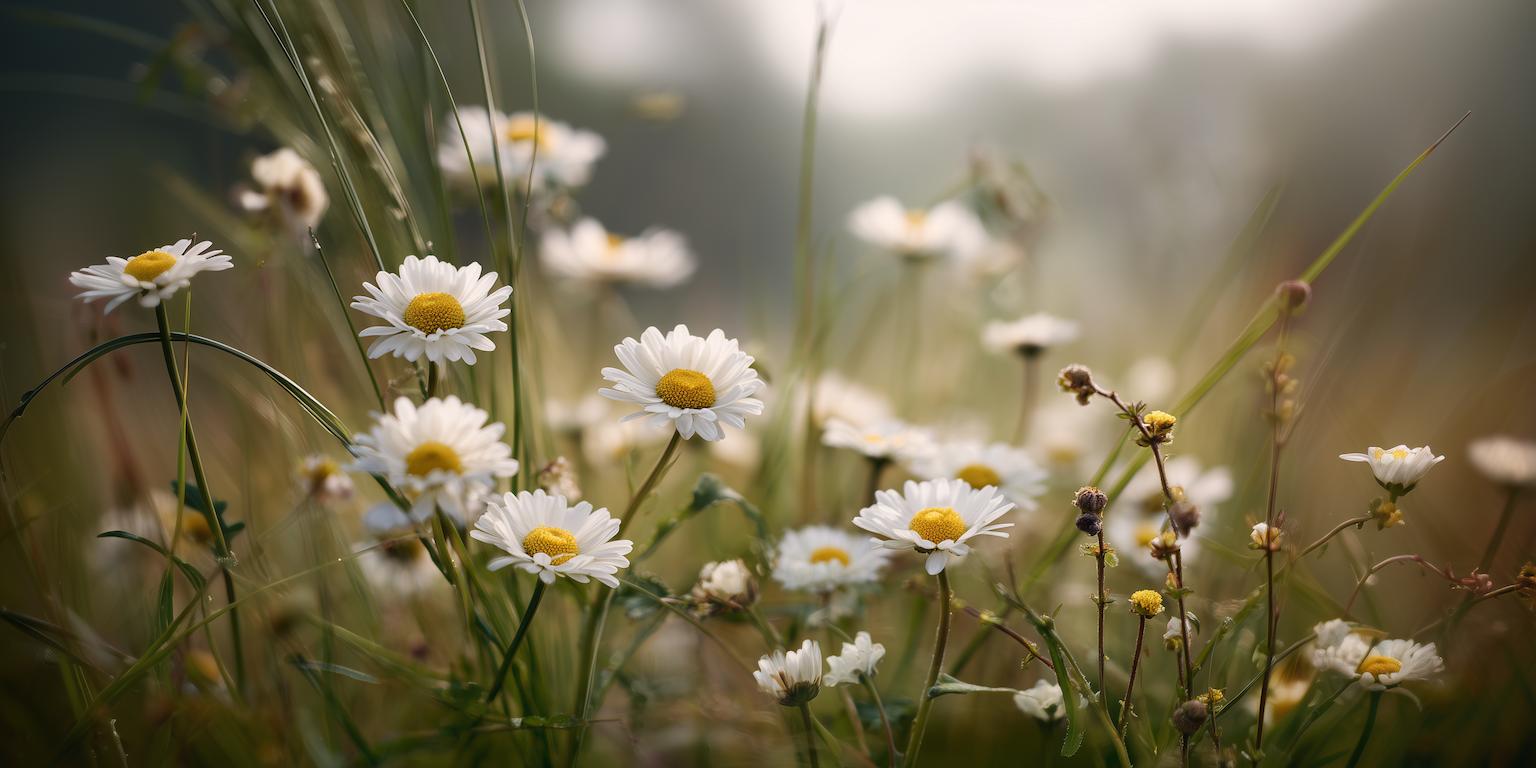
The Bellis perennis, pure and in full growth (hero image)

Botanical cuisine

Daisy flower

Bellis perennis

Why we love this botanical

Daisy flower yields an infusion that whispers rather than makes a statement: straw-yellow in the cup, softly floral in aroma and carried by a fresh green undertone that evokes young grass and spring air. On the palate it is light in texture, with a fine bitter note and a dry, clean grip that gives the whole structure. That combination of tenderness and restrained spiciness makes daisy clear, calm and strikingly balanced.

In tea and botanical blends, daisy does not work as a loud accent, but as a quiet connector. The flower lays a green base beneath sweeter blossoms, tempers exuberant fruitiness and brings a gentle bitterness that makes compositions leaner and longer. As a result, it fits well in spring blends, field bouquets and light evening infusions, where it subtly holds chamomile, linden blossom, lemon balm or apple together without taking over the character of the blend.
Habitat & Origin

Bellis perennis naturally grows in grasslands, meadows, verges, and open lawns where the soil retains moisture but is well-drained. The plant prefers temperate climates, cool nights, and sufficient light, and forms low rosettes that stay close to the ground. It originally belongs to Europe, but due to its tough adaptability it has become naturalized in many other temperate regions. For use, especially young, freshly opened flower heads are harvested, ideally on a dry morning in spring or early summer. It is precisely that combination of fresh growth, short stems, and open landscape that gives the herb its soft green and slightly bitter character.

Active compounds

The flower contains, among other things, saponins, flavonoids, tannins and a small amount of mucilaginous substances. Together they explain the green, slightly bitter profile and the fine, somewhat drying grip in the finish. The polyphenolic fraction provides structure, while mucilaginous substances can make the infusion feel rounder. With careful drying, the floral character remains mild; longer extraction brings out more bitterness and herbal depth.

Ayurvedic approach

Daisy does not belong to the classical Ayurvedic materia medica, but it can be understood as a gentle, lightly cooling blossom herb. In that reading, it aligns with herbs that temper heat without becoming heavy, and that are especially suited to pitta and to a lesser extent kapha. In European folk herbalism, the flower was valued in spring preparations and simple household infusions. The energetics are mild: clear, green, and more soothing than stimulating.

Thermal energy (Virya) light cooling

Pitta

Balancing

Increasing Balancing

Effect: light balancing

Vata

Increasing

Increasing Balancing

Effect: light increasing

Kapha

Balancing

Increasing Balancing

Effect: light balancing

Dosha’s & tea
Ayurveda

Tea Blog

Dosha’s & tea

What Ayurveda understands by Vata, Pitta and Kapha — and how that provides direction for tea.

Read the article

Flavour profile & Blending

Intensity

Strong

Accessibility

Accessible

Role in the blend

Base or harmonising herb (30–80%): forms the main body of the blend and brings the other ingredients into balance.

The indicated percentage refers to the approximate weight proportion of this herb within the total blend, but it can of course be adjusted to give the herb a more dominant or more subtle role.

In blends, daisy combines beautifully with chamomile, linden blossom, lemon balm, elderflower and nettle. It mainly serves as a base and bridge: the flower softens sharp edges, connects green and floral notes and brings a light bitter structure that gives sweeter ingredients more tension and length. It also works elegantly with apple, oat straw or a hint of citrus.

An infusion of daisy pairs well with apple pie, madeleines, airy sponge cake, yogurt with honey, pear, soft goat cheese and mild cream desserts. The green, slightly bitter note keeps cream, almond and ripe fruit in balance, while the floral accent gives fresh spring vegetables such as cucumber, young peas or radish a soft, almost meadow-like accompaniment.

More flavour details

Selection guide (aroma directions)

Intensity
3
Freshness
0
Citrus
1
Fruity
0
Floral
3
Spicy / Herbal
1
Earthy / Woody
1

Food pairing (structure)

Sweetness
1
Sourness
1
Bitterness
3
Astringency
2
Body
1
Aftertaste length
2
Sharpness / Pungency
0
Blending notes: vegetal (4/10)
Flavour appreciation
Taste

Tea Blog

Flavour appreciation

Learn to taste tea mindfully — from aroma and intensity to mouthfeel and food pairing.

Read the article

Precautions

A gentle flower from the daisy family. If you are sensitive to similar flowers, start gently.

Experience Daisy flower

Discover the versatility of this botanical in our blends, or use it as the foundation for your own creation in our Blendstudio.


Contact

Reach us via chat
Chat WhatsApp
9am-6pm on working days
Reach us by email
E-mail contact@maisontisane.nl
Response usually the same working day
Reach us by phone
Call 040 – 240 5807
9am-6pm on working days

Create your own

Blendstudio Workshops

Inspiration

Botanicals Tea Blog

You can shop safely with us

You can shop safely with us (Webwinkel Keurmerk)

Pay securely with:

iDEAL VISA Mastercard American Express Riverty PayPal

Shopping Cart

( )

Your cart is empty

Total