Maison Tisane
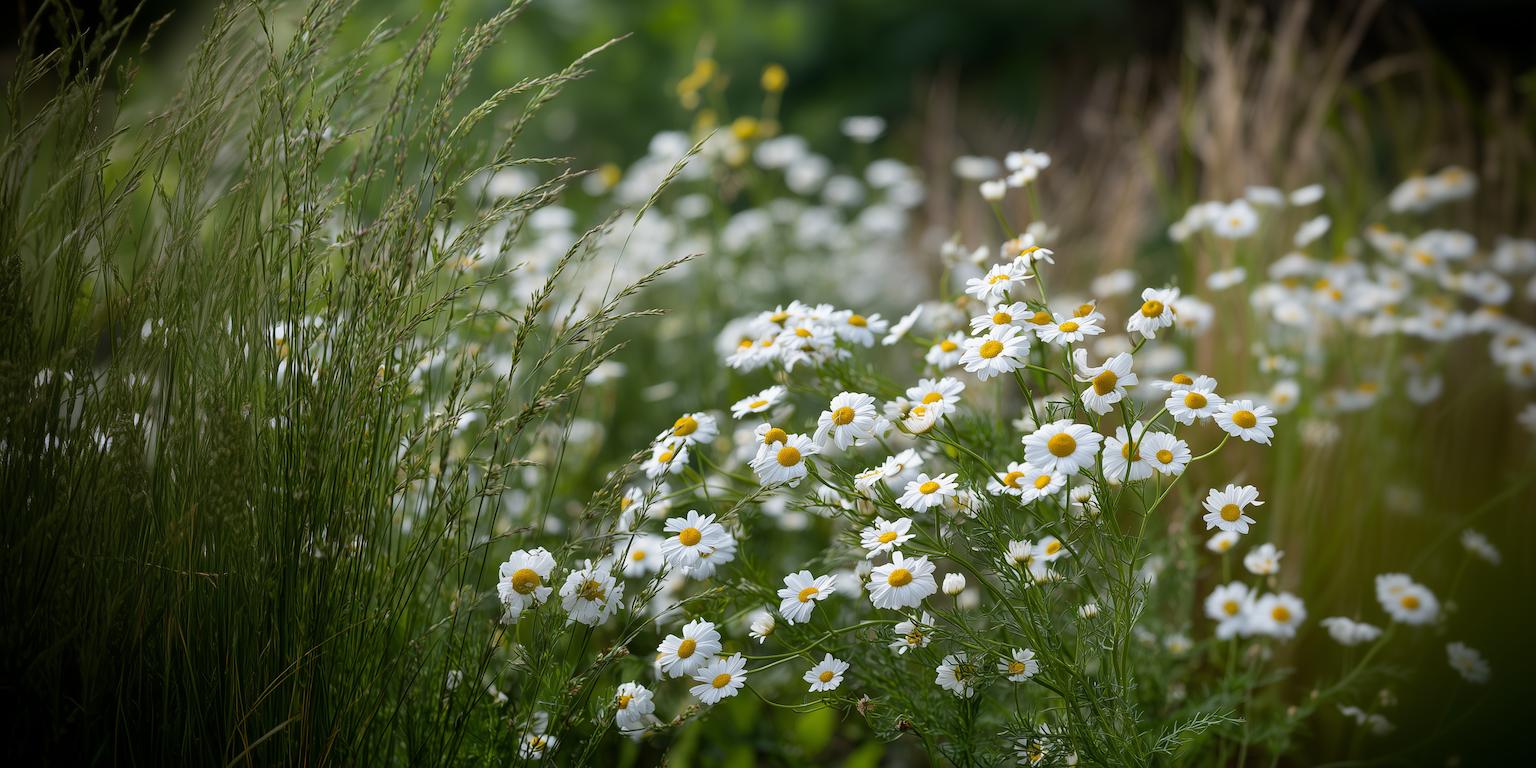
The Chamaemelum nobile, pure and in full growth (hero image)

Botanical cuisine

Roman chamomile

Chamaemelum nobile

Why we love this botanical

Roman chamomile gives a bright golden-yellow infusion with a soft aroma of apple, hay, and white blossom. On the palate it is round but not heavy: floral, lightly honeyed, and with a fine bitter touch that lets the sip finish clean. Its character is friendly and refined, with the calm warmth of dried flowers and sunny grass. As a result it feels comforting without becoming sweet and elegant without being distant.

In tea and herbal compositions, Roman chamomile rarely works loudly; its strength lies in cohesion. It softens sharp citrus notes, brings scattered florality together, and gives spicy or green ingredients a gentle, rounded middle. Alongside fruit, fennel seed, or lemon balm, it builds calm and length, while with woody roots it keeps things light. Thus it functions as a heart note and bridge: not as a dominant soloist, but as an ingredient that lets a blend breathe.
Habitat & Origin

Roman chamomile is a low-growing, perennial plant from the daisy family that occurs naturally in Western and Southwestern Europe, especially in open grasslands, light slopes and poor, well-drained soils. It likes sun, air and a temperate climate, and tolerates poor, sandy or calcareous soil better than wet feet. For tea and herbal work it is also cultivated in, among others, England, France and parts of Central Europe, where the flowers are harvested several times during the flowering period by hand or carefully by machine. Precisely those dry, sunny growing sites give its blossom a pure, fine aromatic character without heaviness.

Active compounds

The aroma of Roman chamomile comes mainly from volatile oil with many fragrant esters, including angelates and tiglates, complemented by flavonoids such as apigenin. Together they give the plant its recognizable apple-like floral character, gentle spiciness, and fine bitter note. During drying, part of the green accent disappears and the profile becomes rounder and more honey-like. In a hot infusion, both the aromatic compounds and the bitters dissolve well, making the tea taste both soft and structured.

Ayurvedic approach

Roman chamomile is not among the best-known classical Ayurvedic herbs, but in contemporary practice chamomile is appreciated for its gentle, lightly cooling, and aromatic nature. Traditionally, it suits moments of rest, especially in the evening or after a meal, when a mild, floral infusion is desired. Within that approach, chamomile is often seen as friendly to pitta and kapha; for vata it is usually experienced as even gentler in combination with something warm and sweet, such as fennel or a hint of spice.

Thermal energy (Virya) light cooling

Pitta

Balancing

Increasing Balancing

Effect: strong balancing

Vata

neutral

Increasing Balancing

Effect: neutral

Kapha

Balancing

Increasing Balancing

Effect: light balancing

Dosha’s & tea
Ayurveda

Tea Blog

Dosha’s & tea

What Ayurveda understands by Vata, Pitta and Kapha — and how that provides direction for tea.

Read the article

Flavour profile & Blending

Intensity

Strong

Accessibility

Accessible

Character

floral, lingering

Role in the blend

Balanced herb (10–20%): creates a harmonious foundation and supports the other flavours.

The indicated percentage refers to the approximate weight proportion of this herb within the total blend, but it can of course be adjusted to give the herb a more dominant or more subtle role.

In blends, Roman chamomile acts as a heart note and bridge. It pairs beautifully with lemon balm, linden blossom, rose, fennel seed and soft citrus accents, but can also provide a light counterpoint to rooibos or mild spices. Its role is usually finishing: it brings florality together, softens sharp edges and lengthens the finish without making the whole heavy or perfumey.

An infusion of Roman chamomile pairs well with buttery pastries, madeleines, shortbread cookies and vanilla creams, because its floral bitterness refreshes richness. Baked apple, pear and almond also work beautifully, especially with a bit of vanilla or lemon zest. In a savory context it combines surprisingly well with young goat cheese or fennel, where its gentle spiciness nuances creamy and anise-like notes.

More flavour details

Selection guide (aroma directions)

Intensity
6
Freshness
1
Citrus
1
Fruity
3
Floral
7
Spicy / Herbal
2
Earthy / Woody
1

Food pairing (structure)

Sweetness
4
Sourness
1
Bitterness
4
Astringency
2
Body
3
Aftertaste length
5
Sharpness / Pungency
0
Blending notes: vegetal (4/10)
Flavour appreciation
Taste

Tea Blog

Flavour appreciation

Learn to taste tea mindfully — from aroma and intensity to mouthfeel and food pairing.

Read the article

Precautions

Soft and floral. Sensitive to chamomile or other daisy-family plants? Start gently.

Experience Roman chamomile

Discover the versatility of this botanical in our blends, or use it as the foundation for your own creation in our Blendstudio.


Contact

Reach us via chat
Chat WhatsApp
9am-6pm on working days
Reach us by email
E-mail contact@maisontisane.nl
Response usually the same working day
Reach us by phone
Call 040 – 240 5807
9am-6pm on working days

Create your own

Blendstudio Workshops

Inspiration

Botanicals Tea Blog

You can shop safely with us

You can shop safely with us (Webwinkel Keurmerk)

Pay securely with:

iDEAL VISA Mastercard American Express Riverty PayPal

Shopping Cart

( )

Your cart is empty

Total