Maison Tisane
The Illicium verum, pure and in full growth (hero image)

Botanical cuisine

Star anise pieces

Illicium verum

Why we love this botanical

Star anise opens with a scent that is both rounded and bright: licorice-like, spicy and softly balsamic. In the cup it gives a warm amber color and an aroma reminiscent of fennel seed, baked pear and wintry spices. The taste is full without becoming heavy, with mild sweetness, hardly any bitterness and a long, calm aftertaste. It is a spice with sheen, warmth and a clear form.

In tea and herbal blends, star anise acts as a pronounced structuring agent. It adds depth to citrus, rounds off floral notes, and gives spicy compositions a recognizable focal point. In small doses it can bridge sweet, woody, and fresh ingredients; in larger doses it directly determines the direction of the blend. This makes it especially valuable in autumn and winter profiles, evening blends, and infusions that call for length and warmth.
Habitat & Origin

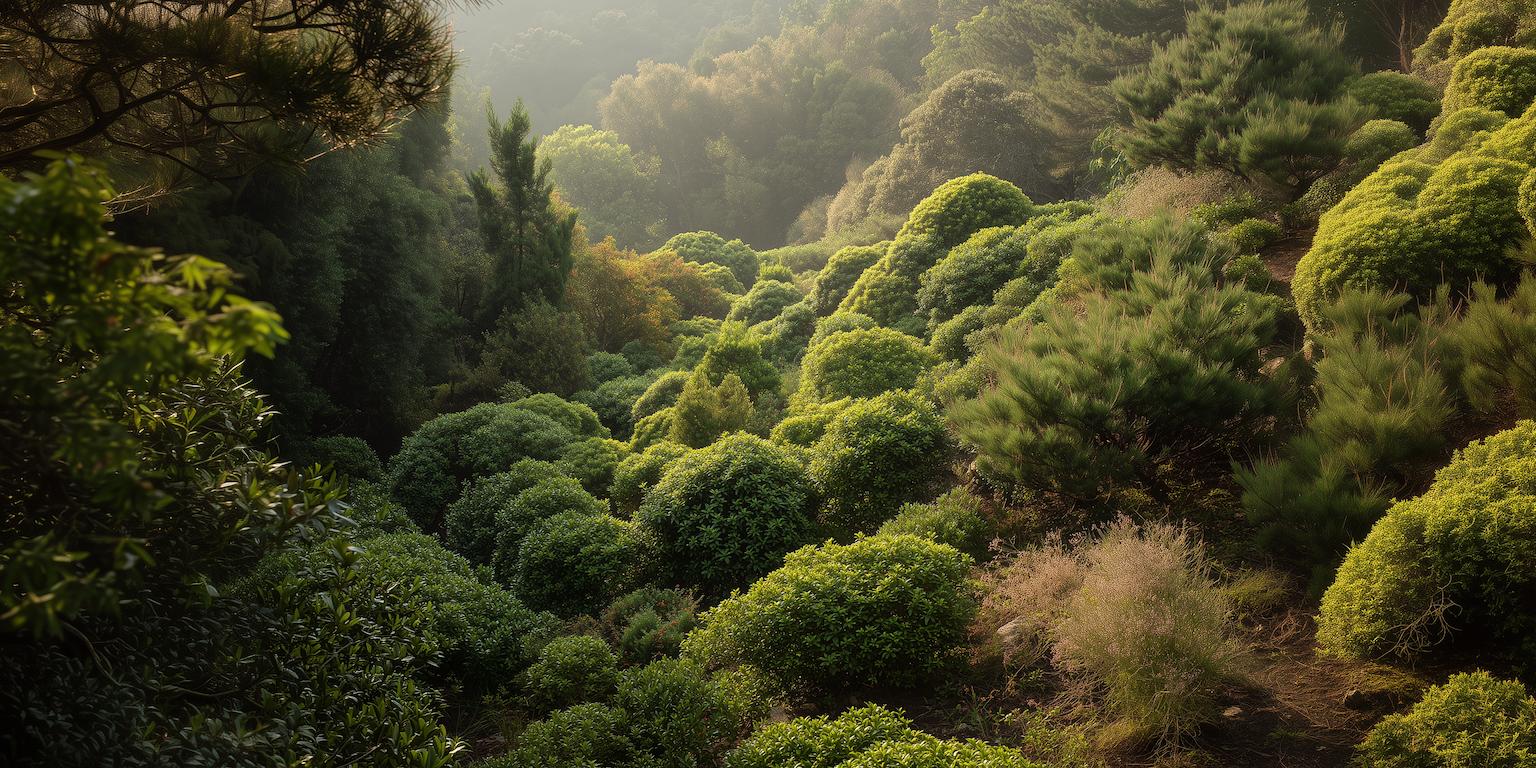
Star anise is the dried fruit of Illicium verum, an evergreen tree from the warm, humid region of South China and North Vietnam. The tree grows best in a subtropical climate, on sheltered slopes and in nutritious, well-drained soils where rain and warmth alternate. The fruits are usually harvested when they are just not yet fully ripe; precisely then the aromatic profile remains lively and precise. During drying, the fruit carpels harden into the familiar star shape and the color deepens to reddish-brown. That combination of humid growing regions, slow ripening, and careful drying gives star anise its rounded, sweet-spicy character.

Active compounds

The aroma of star anise is mainly carried by anethole, a fragrance compound that evokes the characteristic impression of licorice, fennel, and mild spice. In addition, among others, linalool, anisaldehyde, and small amounts of terpenes add extra nuance: lightly floral, balsamic, and somewhat fresh. Together they create a sweet scent with little bitterness but a strikingly long aftertaste. Through drying and warm water, the profile becomes rounder and more cohesive, while the green edge of the fresh fruit fades into the background.

Ayurvedic approach

Within Ayurvedic-inspired herbalism, star anise is generally seen as warming. Its sweet-spicy character traditionally makes it suitable for cold seasons, in spiced milk preparations, chai, and infusions served after meals. In terms of the doshas, it usually aligns better with vata and kapha than with pitta, especially when combined with milder spices and sweet roots. Its role is primarily culinary and ritual: to provide warmth, round things out, and bring fragrant depth to the moment.

Thermal energy (Virya) heating

Pitta

Increasing

Increasing Balancing

Effect: light increasing

Vata

Balancing

Increasing Balancing

Effect: strong balancing

Kapha

Balancing

Increasing Balancing

Effect: strong balancing

Dosha’s & tea
Ayurveda

Tea Blog

Dosha’s & tea

What Ayurveda understands by Vata, Pitta and Kapha — and how that provides direction for tea.

Read the article

Flavour profile & Blending

Intensity

Strong

Accessibility

Accessible

Character

lingering, spicy, sweet

Role in the blend

Very strong herb (1–2.5%): only small amounts are needed, as the herb can quickly become overpowering.

The indicated percentage refers to the approximate weight proportion of this herb within the total blend, but it can of course be adjusted to give the herb a more dominant or more subtle role.

Star anise pairs beautifully with cinnamon, fennel, cardamom, ginger, licorice, and orange peel. In blends it rarely functions as a quiet base; rather as a supporting accent or spicy pivot. It thus connects sweet roots with fresh peels and gives floral or woody ingredients more contour, especially in rich, wintry compositions with a long aromatic tail.

An infusion of star anise pairs well with poached pear, apple pie, plum compote and desserts with dark chocolate, because the warm licorice note deepens ripe fruit and gentle bitters. It also works beautifully alongside roasted pumpkin, duck or a spicy broth: the infusion doesn’t cut through the dish, but lays a sweet-spicy sheen over it.

More flavour details

Selection guide (aroma directions)

Intensity
8
Freshness
1
Citrus
0
Fruity
1
Floral
1
Spicy / Herbal
8
Earthy / Woody
3

Food pairing (structure)

Sweetness
6
Sourness
0
Bitterness
1
Astringency
1
Body
3
Aftertaste length
8
Sharpness / Pungency
2
Blending notes:
Flavour appreciation
Taste

Tea Blog

Flavour appreciation

Learn to taste tea mindfully — from aroma and intensity to mouthfeel and food pairing.

Read the article

Experience Star anise pieces

Discover the versatility of this botanical in our blends, or use it as the foundation for your own creation in our Blendstudio.


Contact

Reach us via chat
Chat WhatsApp
9am-6pm on working days
Reach us by email
E-mail contact@maisontisane.nl
Response usually the same working day
Reach us by phone
Call 040 – 240 5807
9am-6pm on working days

Create your own

Blendstudio Workshops

Inspiration

Botanicals Tea Blog

You can shop safely with us

You can shop safely with us (Webwinkel Keurmerk)

Pay securely with:

iDEAL VISA Mastercard American Express Riverty PayPal

Shopping Cart

( )

Your cart is empty

Total