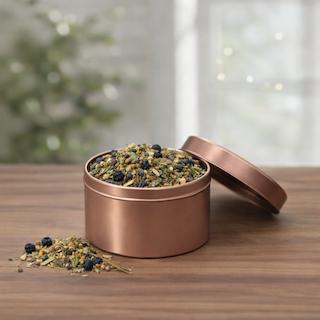
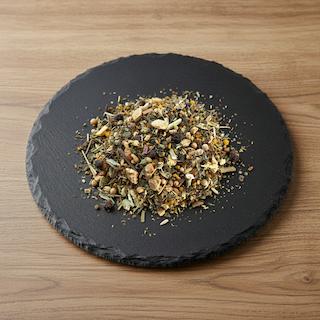
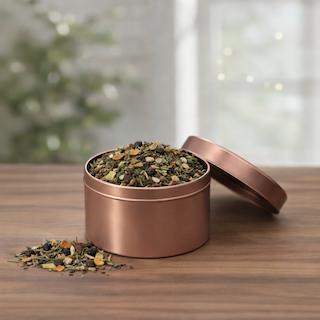
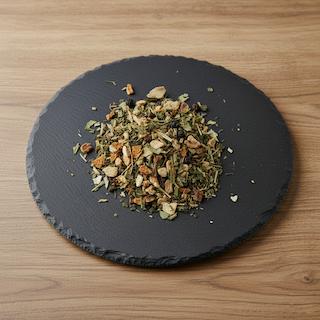
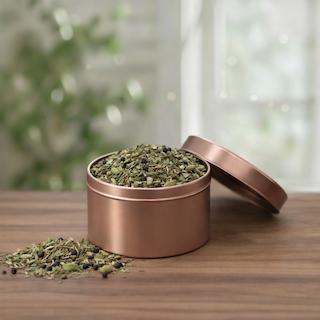
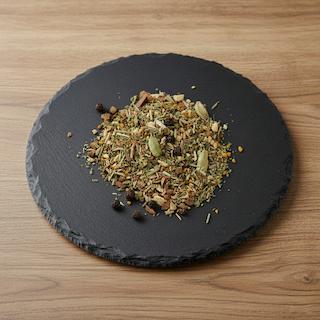
Black pepper brings a lively, warm spiciness with woody depth and a light smoky touch. The dried berries give infusions a subtle, tingling warmth and an aromatic tension reminiscent of good kitchen aromas. In blends, pepper acts as a flavor sharpener and silent intensifier.
During steeping, the peppercorns slowly release their volatile oils, creating an infusion with a drier, spicy-aromatic structure. The heat remains soft if dosed sparingly and underscores citrus, roots, and flowers. Black pepper gives blends a gastronomic accent and a long, warm echo in the aftertaste.
Habitat & Origin
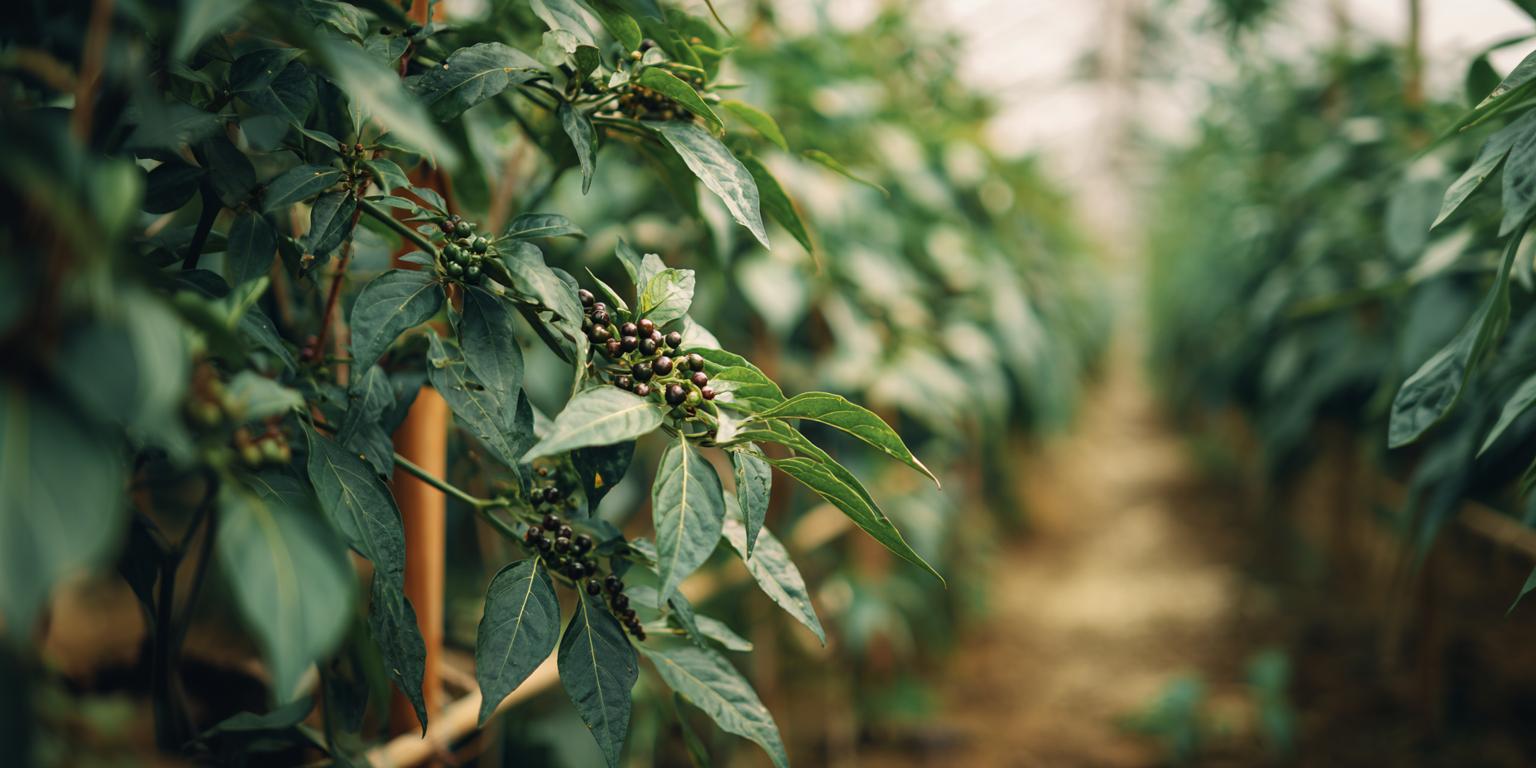
Black pepper (Piper nigrum) grows as a tropical vine along trees and poles in warm, humid regions of Southern India, Sri Lanka, and Southeast Asia. The green berries are harvested as soon as they begin to color and are then dried into aromatic black granules. Maison Tisane selects pepper based on size, deep aroma development, and a fresh, woody-citrusy nose, ensuring micro-doses remain warm and layered.
Active compounds
Black pepper contains piperine, woody-citrusy volatile oils, and soft resin components that together build the warm, lively-spicy profile. Piperine provides the subtle heat, while the aromatic fraction ensures that characteristic, fine-dry spiciness. In blends, black pepper acts as a precise, activating spark that deepens warmth and gives citrus, roots, and flowers a mature edge.
Ayurvedic approach
Black pepper has a distinctly sharp, warming energetics in Ayurveda that powerfully activates Kapha and approaches Pitta with great caution. Due to the dry heat, it can easily irritate Vata, so the herb is used mainly in small accents. In Indian Ocean trade, pepper was considered 'black gold': a spice that brought warmth and intensity to ritual and culinary mixtures. Energetically, it feels like a precise spark — activating, spicy, and directive.
Use this herb very subtly (<1%): it has a strong, spicy character that can easily dominate a blend.
The indicated percentage refers to the approximate weight proportion of this herb within the total blend, but it can of course be adjusted to give the herb a more dominant or more subtle role.
Black pepper contrasts with its warm, dry spiciness and strengthens both citrus and root tones. It gives ginger and turmeric a more precise, sharper lift and makes orange peel or lemon verbena more mature and aromatic. In combination with rooibos, chicory, or cinnamon, black pepper deepens warm tones without dominating the blend. Floral botanicals like rose or jasmine also gain more tension as pepper outlines the sweetness more tightly. It acts as an activating spark that provides structure, depth, and length.
Black pepper fits excellently with dark chocolate, stewed pear, gingerbread, citrus pastries, and panna cotta. The spicy warmth breaks through creaminess and sweetness and gives desserts depth. In savory dishes, pepper strengthens tomato sauces, roasted root vegetables, grilled eggplant, and lentil stew. It lifts mild flavors and gives fattier preparations a sharp, elegant counter-accent.