Maison Tisane
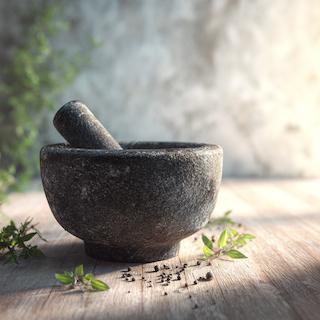
The Taraxacum officinale, pure and in full growth (hero image)

Botanical cuisine

Dandelion root

Taraxacum officinale

Why we love this botanical

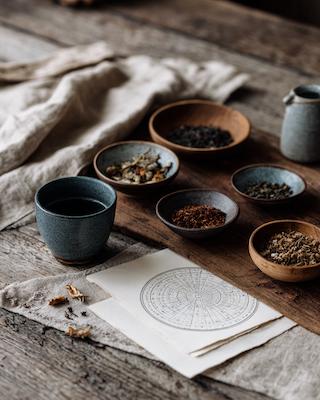
Dandelion root produces an infusion with a warm amber color and an aroma reminiscent of dried earth, roasted grains, and a gentle bitter note. On the palate it is firm and layered: first rooty and lightly nutty, then dry, bitter, and long in flavor, with a rounded undertone that tempers the austerity. It is a root with seriousness, but also with calm; clear in line, earthy in character, and strikingly steadfast in the cup.

In tea and herbal blends, dandelion root acts as a solid backbone. It brings depth, bitter structure, and a dry, mature note that gives sweeter, floral, or herbal ingredients more contour. Rather than dominating, it organizes the whole: it anchors light leaves, keeps fruity accents in balance, and gives spices more direction. Especially in blends for the morning or around a meal, it provides a firm base with a long, earthy echo.
Habitat & Origin

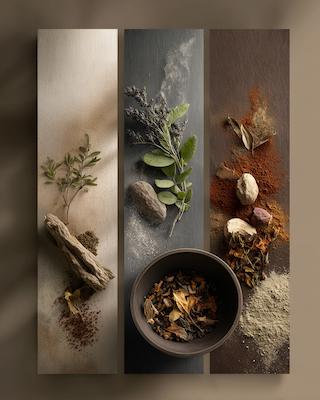
Dandelion is originally native to temperate regions of Europe and West Asia and has since become naturalized across almost the entire world. The plant grows easily in meadows, roadsides, fields, and gardens, especially in open, sunny places with loose, nutrient-rich soils into which the taproot can penetrate deeply. For use as a root, it is often harvested in early spring or in autumn, when the underground reserve is well developed and the aromatic bitter profile feels concentrated. After digging up, the root is washed, cut, and dried, and sometimes lightly roasted to bring out more rounded, malty notes.

Active compounds

The character of dandelion root comes mainly from bitter substances from the sesquiterpene lactones, together with inulin and phenolic compounds. That combination gives the root its dry bitterness, earthy length and the slightly full mouthfeel that gives an infusion body. With a longer infusion or gentle decoction, these notes are gradually released and the structure becomes rounder. Roasting then shifts the aroma toward nut, malt and toasted crust, while the green sharpness becomes milder.

Ayurvedic approach

Dandelion root does not belong to the great classical herbs of Ayurveda, but its bitter root character can be read well within that tradition. The root is generally regarded as lightly cooling and drying, with a clear affinity for pitta and kapha when food may feel lighter and less heavy. In Western spring bitters and herbal practices, dandelion acquired a similar place: as an earthy, bitter plant for seasonal transitions and simple daily infusions. For a gentler, more vata-friendly approach, it is traditionally often combined with warmer, sweeter spices.

Thermal energy (Virya) light cooling

Pitta

Balancing

Increasing Balancing

Effect: strong balancing

Vata

Increasing

Increasing Balancing

Effect: light increasing

Kapha

Balancing

Increasing Balancing

Effect: strong balancing

Dosha’s & tea
Ayurveda

Tea Blog

Dosha’s & tea

What Ayurveda understands by Vata, Pitta and Kapha — and how that provides direction for tea.

Read the article

Flavour profile & Blending

Intensity

Strong

Accessibility

Accessible

Character

bitter, earthy, lingering, full

Role in the blend

Firm herb (5–10%): provides structure and body to the blend without overwhelming it.

The indicated percentage refers to the approximate weight proportion of this herb within the total blend, but it can of course be adjusted to give the herb a more dominant or more subtle role.

In blends, dandelion root combines nicely with chicory root, burdock, licorice, cinnamon, fennel seed and ginger. With roasted or sweet ingredients it forms a dark, full-bodied base; with aromatic spices it acts as a bridge between warmth and bitterness. It can also be useful alongside chamomile or citrus peel, because it gives airy notes more depth and a drier structure.

An infusion of dandelion root pairs well with nut pastries, apple or pear desserts, dark chocolate and roasted grains. The bitterness cuts through sweetness and gives caramel-like flavors more depth, while the earthy undertone complements coffee, cocoa and warm spices nicely. It also creates a calm, mature combination with savory dishes featuring mushrooms, onion or roasted root vegetables.

More flavour details

Selection guide (aroma directions)

Intensity
6
Freshness
0
Citrus
0
Fruity
0
Floral
0
Spicy / Herbal
1
Earthy / Woody
7

Food pairing (structure)

Sweetness
3
Sourness
1
Bitterness
8
Astringency
3
Body
5
Aftertaste length
6
Sharpness / Pungency
1
Blending notes: vegetal (3/10), nutty (2/10), toasty (2/10)
Flavour appreciation
Taste

Tea Blog

Flavour appreciation

Learn to taste tea mindfully — from aroma and intensity to mouthfeel and food pairing.

Read the article

Precautions

Earthy and gently bitter. If you have gallbladder issues, it is best to check first.

Experience Dandelion root

Discover the versatility of this botanical in our blends, or use it as the foundation for your own creation in our Blendstudio.


Contact

Reach us via chat
Chat WhatsApp
9am-6pm on working days
Reach us by email
E-mail contact@maisontisane.nl
Response usually the same working day
Reach us by phone
Call 040 – 240 5807
9am-6pm on working days

Create your own

Blendstudio Workshops

Inspiration

Botanicals Tea Blog

You can shop safely with us

You can shop safely with us (Webwinkel Keurmerk)

Pay securely with:

iDEAL VISA Mastercard American Express Riverty PayPal

Shopping Cart

( )

Your cart is empty

Total