Maison Tisane
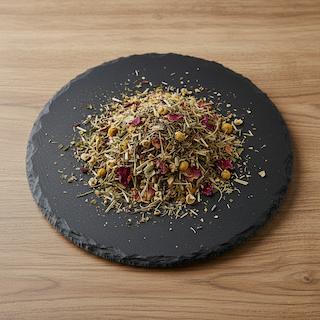
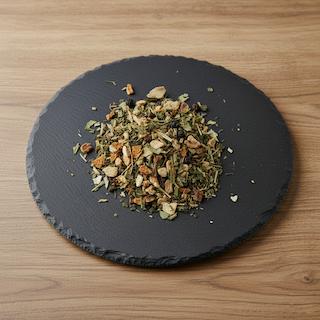
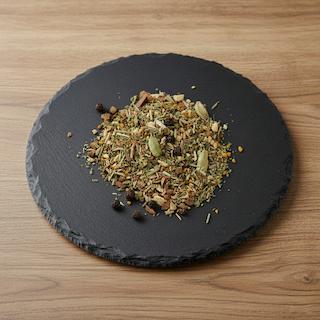
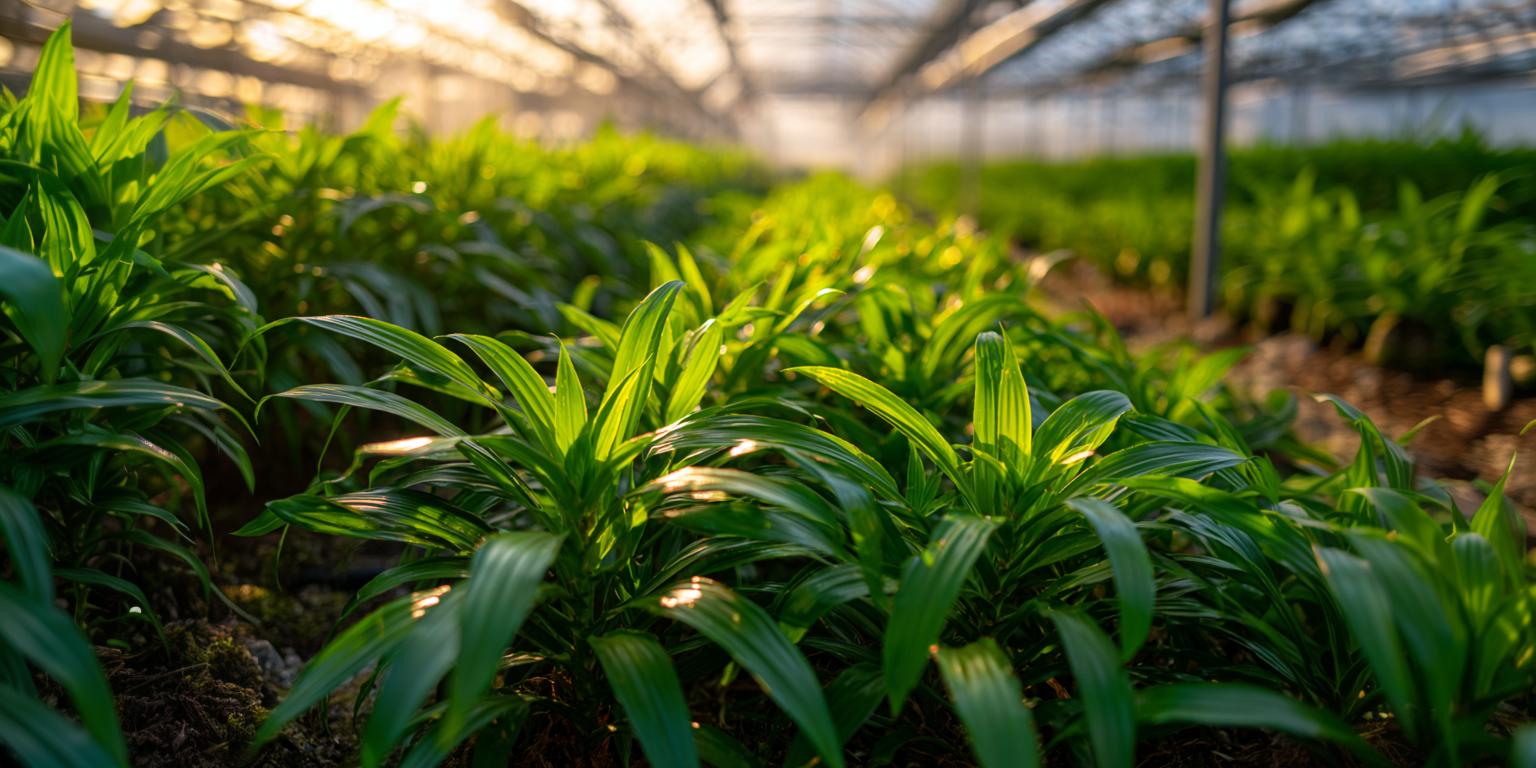
The Zingiber officinale, pure and in full growth (hero image)

Botanical cuisine

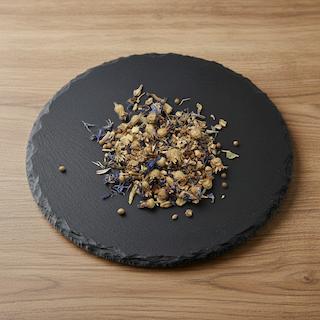
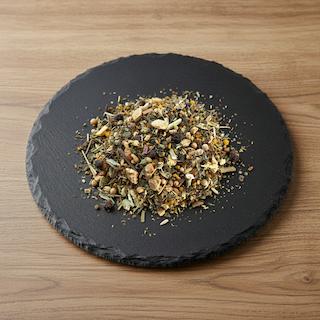
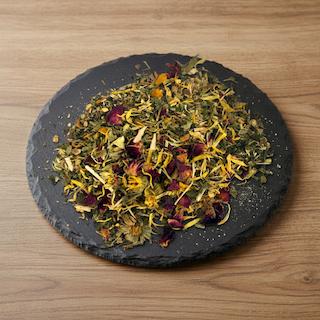
Ginger pieces

Zingiber officinale

Why we love this botanical

G inger is the embodiment of warmth, an herb that brings a blend to life in a single movement. In the nose, lime-like freshness meets a warm, almost velvety sharpness. In the cup, a transparent golden glow appears that invites you to stand still for a moment. We love ginger for its duality: it is spicy and powerful, but at the same time brings a feeling of warm relaxation.

It is one of the oldest flavorings in human history, appreciated from the ancient spice routes in Asia to the modern tea table. In our blends, we do not use ginger as a simple seasoning, but as a backbone – a foundation of warmth on which other herbs can dance. At Maison Tisane, we work with carefully selected, fragrant rhizomes. No aromas, no perfume from a bottle: what you taste comes entirely from the plant itself, balanced in a larger composition.
Habitat & Origin

Ginger (Zingiber officinale) is a tropical rhizome plant that has been cultivated for thousands of years in Southeast Asia, especially in mountainous regions where moist heat and filtered light alternate. The plant grows in loose, humus-rich soils in which the rhizomes can branch out horizontally. In traditional cultivation areas, the rhizomes are hand-dug as soon as the upper stems wither—a sign that the volatile oils have retreated into the root. Freshness is strongly related to the harvest moment: young rhizomes are juicy and citrus-like, older ones more compact and warmer in character. For our blends, we select batches based on scent, structure, and cut, so that ginger plays nicely with other herbs and does not dominate.

Active compounds

Ginger contains gingerols, shogaols, and zingerone — the aromatic phenols that ensure the characteristic warmth and the lively, citrus-woody perfume. During drying or heating, the profile deepens: fresh gingerols become fuller, spicier shogaols, while zingerone brings a soft, warm-sweet rounding. Together, these compounds form a layered, comforting warmth that both wakes up and envelopes infusions.

Ayurvedic approach

In Ayurveda, ginger is seen as a warm, directive rhizome that mainly stabilizes Vata and moves Kapha, while Pitta is approached with attention. In classical texts, it appears under the honorary title Vishwabheshaja — not as a promise of effect, but as a symbol for an herb that took a central place in many ritual and culinary contexts. Along ancient trade routes, ginger was considered 'travel root': warmth and clarity in compact form. Energetically, it feels like a bearable flame that opens taste and atmosphere.

Thermal energy (Virya) heating

Pitta

Increasing

Increasing Balancing

Effect: light increasing

Vata

Balancing

Increasing Balancing

Effect: strong balancing

Kapha

Balancing

Increasing Balancing

Effect: strong balancing

Flavour profile & Blending

Intensity

Strong

Accessibility

Accessible

Character

spicy, sharp, lingering, earthy, full

Role in the blend

Strong herb (2.5–5%): contributes noticeably to the flavour profile and should be dosed with care.

The indicated percentage refers to the approximate weight proportion of this herb within the total blend, but it can of course be adjusted to give the herb a more dominant or more subtle role.

Ginger supports with deep warmth and contrasts through its fresh, spicy tension. It lifts lemongrass, lemon balm, and orange peel to a clear, aromatic height and gives floral botanicals like chamomile and linden blossom more definition. In combination with cinnamon or cardamom, a layered spice structure is created. Ginger acts as a rhythm giver: it opens the palate and brings depth, length, and liveliness to every blend.

Ginger feels at home next to dishes that tolerate contrast: dark chocolate, grilled pineapple, carrot cake, or coconut milk preparations. The citrus-like heat breaks through creamy sweetness, gives baking more tension, and makes tropical fruit brighter. In savory dishes, ginger lifts mild fats, such as in pumpkin soup or roasted root vegetables with honey.

More flavour details

Selection guide (aroma directions)

Intensity
8
Freshness
1
Citrus
1
Fruity
1
Floral
1
Spicy / Herbal
9
Earthy / Woody
6

Food pairing (structure)

Sweetness
2
Sourness
1
Bitterness
3
Astringency
2
Body
5
Aftertaste length
8
Sharpness / Pungency
8
Blending notes: resinous (3/10), umami (2/10), vegetal (2/10)

Precautions

Warms you up, but in high doses may thin your blood. Take care if you use anticoagulants.

Experience Ginger pieces

Discover the versatility of this botanical in our blends, or use it as the foundation for your own creation in our Blendstudio.


Contact

Reach us via chat
Chat WhatsApp
9am-6pm on working days
Reach us by email
E-mail contact@maisontisane.nl
Response usually the same working day
Reach us by phone
Call 040 – 240 5807
9am-6pm on working days

Customer Service

Contact Shipping Returns

Create your own

Blendstudio

Inspiration

Botanicals

You can shop safely with us

You can shop safely with us (Webwinkel Keurmerk)

Pay securely with:

iDEAL VISA Mastercard American Express Riverty PayPal

Shopping Cart

( )

Your cart is empty

Total