Maison Tisane
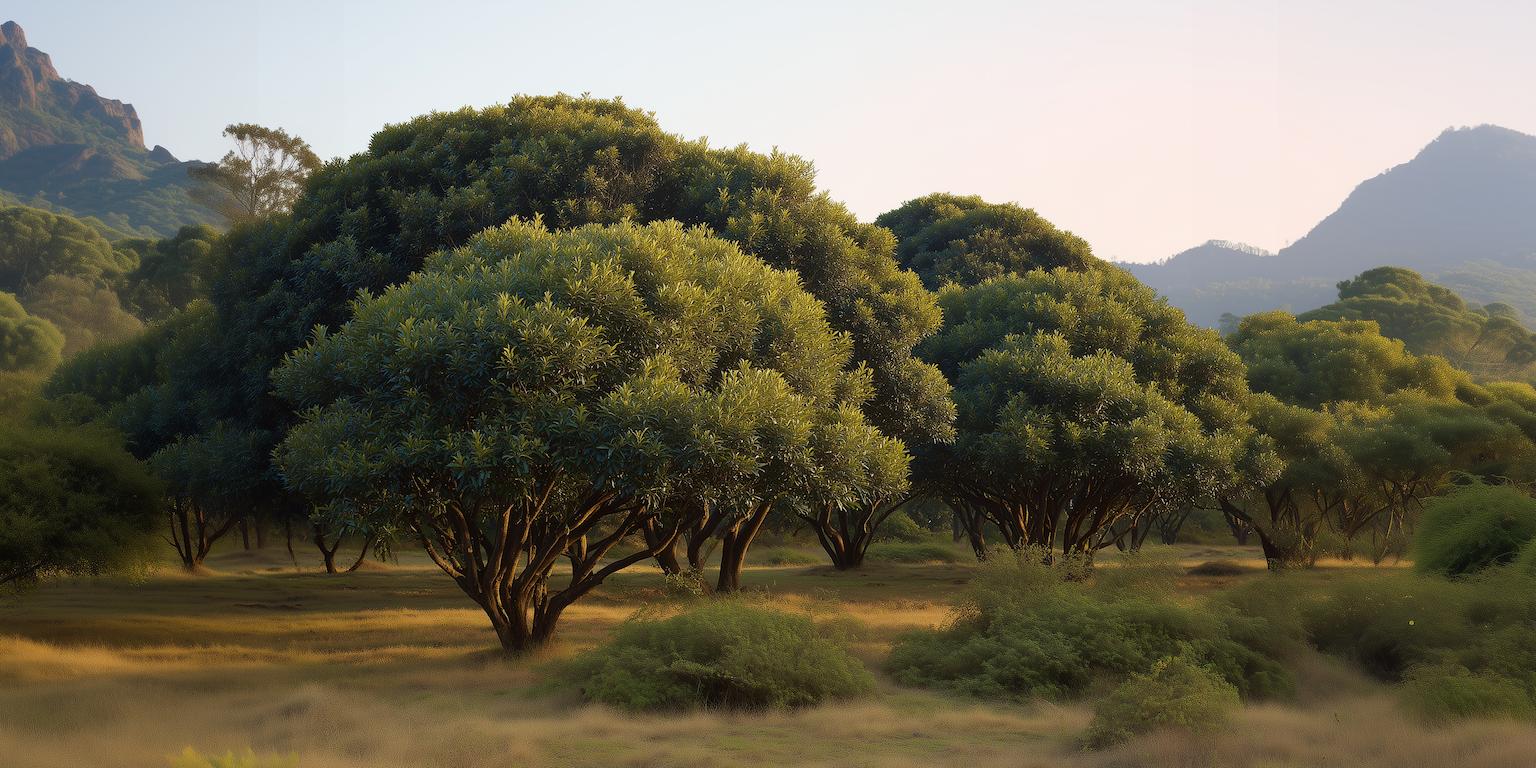
The Ilex paraguariensis, pure and in full growth (hero image)

Botanical cuisine

Green yerba mate

Ilex paraguariensis

Why we love this botanical

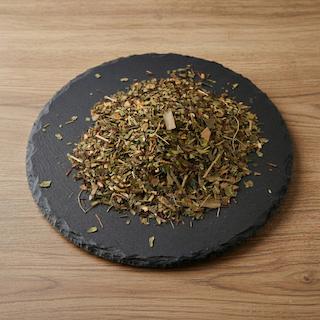
Green yerba maté opens with the aroma of fresh leaf, young hay and a fine, taut bitter signature that immediately gives definition. In the cup it shows itself golden yellow and clear, with a slender body and a long vegetal finish in which notes of straw, green walnut and a light resinousness resonate. The character is lively and purposeful, rather dry than round, with a fine tension that keeps the palate fresh and clear.

In tea and herbal blends, green maté works as a quiet backbone. It gives compositions structure, length and a pleasant grip, without making them heavy. With citrus peels, mint or lemon verbena the profile becomes fresher and tighter; with ginger, cardamom or cinnamon the leaf gains more warmth and depth. Maté also remains valuable alongside floral or fruity ingredients, because its dry, green line organizes sweeter notes. This makes it well suited to light morning blends and bright spring compositions.
Habitat & Origin

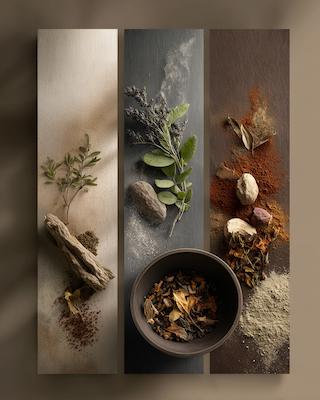
Yerba maté originates from the subtropical interior of South America, especially Paraguay, southern Brazil and northeastern Argentina, where Ilex paraguariensis grows in and along the edges of the Atlantic rainforest. The plant likes warm, humid summers, mild winters and acidic, well-drained soils with plenty of organic matter. Many plantings benefit from partial shade or filtered forest light, which keeps the leaves softer and more aromatic. The harvest consists of young twigs and leaves, traditionally by hand or with light pruning, after which the leaf is briefly stabilized and dried to preserve its green, vegetal character.

Active compounds

The profile of green maté is mainly driven by caffeine, theobromine and chlorogenic acids. Together they give the infusion its dry bitterness, long finish and lively tension. Saponins contribute to the firm, somewhat rough structure in the mouth, while volatile green-leaf compounds support the aroma of fresh hay and young leaves. Because green maté is only heated to a limited extent, those vegetal notes remain more clearly present than in darker, more toasted variants.

Ayurvedic approach

Yerba maté does not belong to the classical Ayurvedic herbs, but it can be interpreted through taste, texture, and energetics. The leaf is often seen as predominantly neutral to slightly drying, with a bitter, astringent signature that suits a heavier, slower kapha profile well. In South American traditions, maté is primarily a social drink, shared from a gourd and bombilla and associated with hospitality, rhythm, and daily concentration. In an Ayurvedically inspired approach, its character is therefore often softened with warmer or rounder herbs.

Thermal energy (Virya) neutral

Pitta

neutral

Increasing Balancing

Effect: neutral

Vata

Increasing

Increasing Balancing

Effect: light increasing

Kapha

Balancing

Increasing Balancing

Effect: strong balancing

Dosha’s & tea
Ayurveda

Tea Blog

Dosha’s & tea

What Ayurveda understands by Vata, Pitta and Kapha — and how that provides direction for tea.

Read the article

Flavour profile & Blending

Intensity

Strong

Accessibility

Accessible

Character

vegetal, bitter, lingering, astringent, full

Role in the blend

Balanced herb (10–20%): creates a harmonious foundation and supports the other flavours.

The indicated percentage refers to the approximate weight proportion of this herb within the total blend, but it can of course be adjusted to give the herb a more dominant or more subtle role.

Green maté pairs beautifully with citrus peels, mint, lemon verbena and lemongrass when a blend needs to stay bright and crisp. With ginger, cardamom or a touch of cinnamon it gains more roundness without losing its green backbone. It also works well with hibiscus or rosehip as a bridge: it tempers pronounced acidity and gives length, grip and a dry finish.

An infusion of green maté pairs well with lemon cake, madeleines, dark chocolate and roasted nuts. The dry bitterness cuts through butter and sugar, while the vegetal character pairs nicely with citrus zest and light caramelization. Maté also works surprisingly well with grilled peach or apricot: the leaf brings tension and length against ripe fruit and gentle sweetness.

More flavour details

Selection guide (aroma directions)

Intensity
7
Freshness
1
Citrus
2
Fruity
1
Floral
2
Spicy / Herbal
1
Earthy / Woody
3

Food pairing (structure)

Sweetness
1
Sourness
1
Bitterness
8
Astringency
7
Body
5
Aftertaste length
7
Sharpness / Pungency
1
Blending notes: vegetal (9/10), resinous (2/10)
Flavour appreciation
Taste

Tea Blog

Flavour appreciation

Learn to taste tea mindfully — from aroma and intensity to mouthfeel and food pairing.

Read the article

Precautions

Contains caffeine and has an uplifting effect. Less suitable late in the day, during pregnancy, or if you are sensitive to caffeine.

Experience Green yerba mate

Discover the versatility of this botanical in our blends, or use it as the foundation for your own creation in our Blendstudio.


Contact

Reach us via chat
Chat WhatsApp
9am-6pm on working days
Reach us by email
E-mail contact@maisontisane.nl
Response usually the same working day
Reach us by phone
Call 040 – 240 5807
9am-6pm on working days

Create your own

Blendstudio Workshops

Inspiration

Botanicals Tea Blog

You can shop safely with us

You can shop safely with us (Webwinkel Keurmerk)

Pay securely with:

iDEAL VISA Mastercard American Express Riverty PayPal

Shopping Cart

( )

Your cart is empty

Total