Maison Tisane
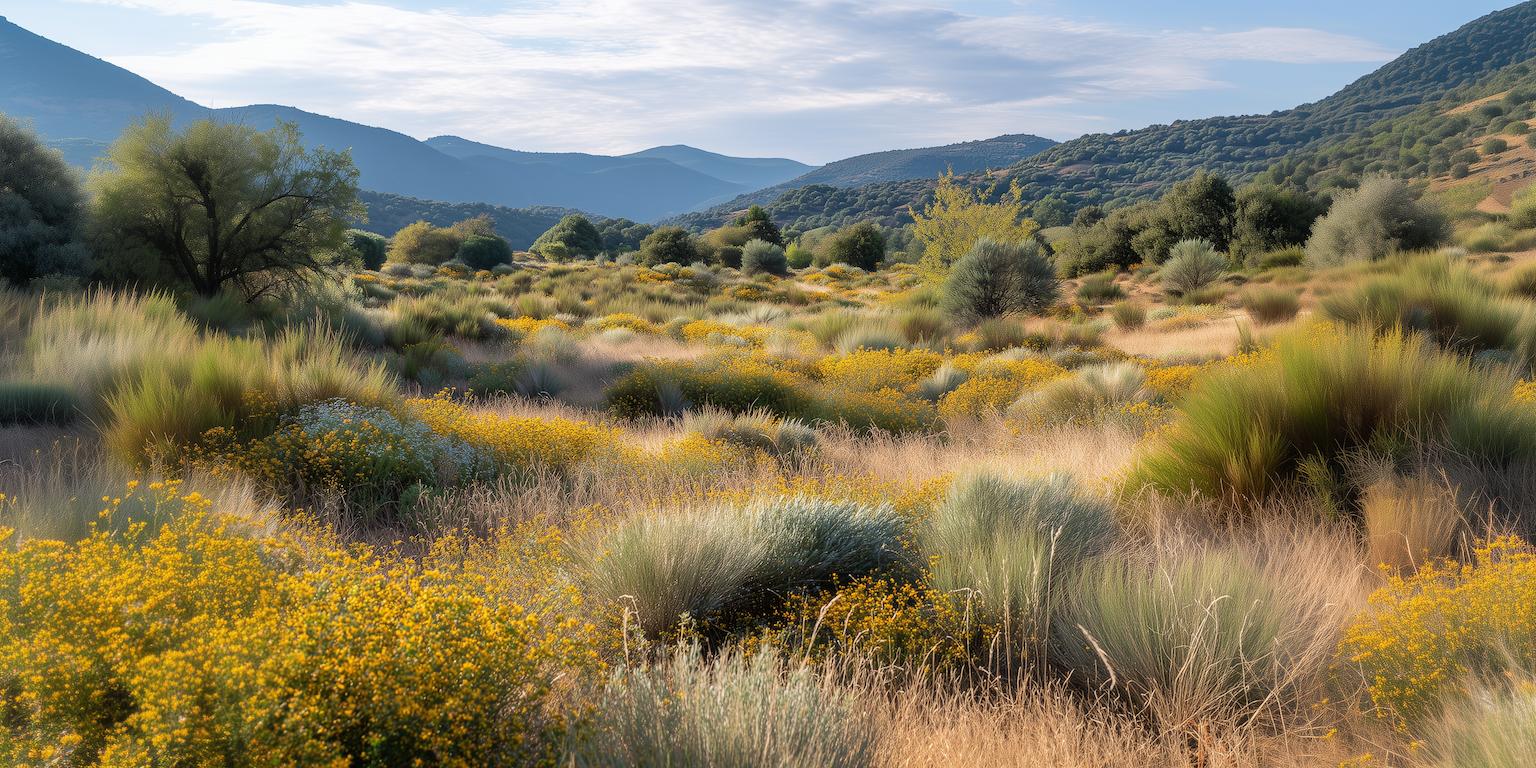
The Cyclopia intermedia, pure and in full growth (hero image)

Botanical cuisine

Honeybush

Cyclopia intermedia

Why we love this botanical

Honeybush gives a warm, amber-colored infusion with the scent of flowering shrubs, honey, and softly dried fruit. In the cup it is round and friendly, with a mild sweetness, a floral lift, and a calm, almost velvety texture. Unlike sharper herbs, the profile remains broad and soft: full enough to ask for attention, light enough to keep drinking for a long time. With that, honeybush immediately shows itself as a balanced botanical with an open, fragrant signature.

In tea and herbal blends, honeybush often works as a supporting base that brings sweetness and roundness without overpowering. It softens spicy edges, supports floral notes, and gives fruity accents more depth. As a result, it can sit alongside spices as well as alongside blossom, citrus peel, or soft woody notes. Where some bases mainly add body, honeybush also adds its own fragrant signature: warm, honey-like, and binding in the build-up of flavor.
Habitat & Origin

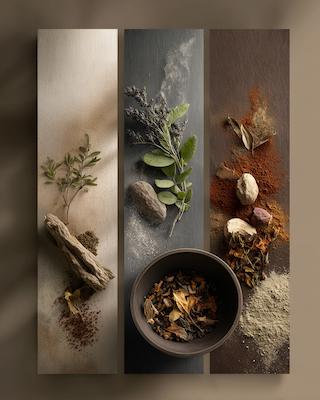
Honeybush originates from the South African fynbos, especially from mountainous parts of the Eastern Cape, where the climate is clear, windy and periodically dry. Cyclopia intermedia grows on acidic, sandy soils and on slopes where mist and sun alternate. The shrub bears fine leaves and yellow flowers that, when in bloom, give off a pronounced honey scent. Traditionally, young leafy tips are harvested by hand when the aroma is open and soft. Afterwards, the material is often bruised, lightly oxidized and dried, which results in the amber-colored cup and the round, honey-like character.

Active compounds

The soft profile of honeybush arises from an interplay of polyphenols, xanthones and volatile terpenes. Mangiferin and related flavonoids are often cited as characteristic constituents; together they give structure to the infusion and support the light grip and calm finish. At the same time, aromatic compounds from the plant provide the floral, honey-like aroma. Through bruising, oxidation and drying, the profile shifts from greener and more herbal to rounder, warmer and lightly malty.

Ayurvedic approach

Honeybush does not belong to the classic Ayurvedic herbs, but within that way of thinking it can be readily understood as lightly warming and soothing in nature. The mild sweetness and rounded texture align with preparations that aim to soothe Vata without becoming heavy, while the profile generally remains mild enough to be usable for Pitta and Kapha as well in balanced blends. In South African herbal culture, honeybush has long been valued as a daily household infusion. That combination of warmth, softness, and accessibility explains why the herb fits so naturally within broader herbal traditions.

Thermal energy (Virya) light heating

Pitta

Balancing

Increasing Balancing

Effect: light balancing

Vata

Balancing

Increasing Balancing

Effect: strong balancing

Kapha

Balancing

Increasing Balancing

Effect: light balancing

Dosha’s & tea
Ayurveda

Tea Blog

Dosha’s & tea

What Ayurveda understands by Vata, Pitta and Kapha — and how that provides direction for tea.

Read the article

Flavour profile & Blending

Intensity

Strong

Accessibility

Accessible

Character

floral, sweet, lingering, full, fruity

Role in the blend

Base or harmonising herb (30–80%): forms the main body of the blend and brings the other ingredients into balance.

The indicated percentage refers to the approximate weight proportion of this herb within the total blend, but it can of course be adjusted to give the herb a more dominant or more subtle role.

In blends, honeybush combines beautifully with rooibos, cocoa, vanilla, cinnamon and cardamom, but also with rose, lavender or orange peel. It often works as a base or bridge: it softens sharp spices, carries floral notes and gives fruity accents more roundness. Thanks to its gentle sweetness, it can hold together both dessert-like compositions and warmly spiced blends.

An infusion of honeybush pairs well with almond pastries, apple and pear desserts, honey cake, milk chocolate and roasted nuts. The warm sweetness complements grains and mild spices nicely, while the floral side lifts fruit and cream desserts. The infusion also works alongside pumpkin, carrot or a subtly spiced breakfast thanks to its rounded, soft contrast.

More flavour details

Selection guide (aroma directions)

Intensity
6
Freshness
1
Citrus
1
Fruity
5
Floral
7
Spicy / Herbal
2
Earthy / Woody
4

Food pairing (structure)

Sweetness
6
Sourness
1
Bitterness
2
Astringency
3
Body
5
Aftertaste length
5
Sharpness / Pungency
0
Blending notes: toasty (3/10), vegetal (2/10)
Flavour appreciation
Taste

Tea Blog

Flavour appreciation

Learn to taste tea mindfully — from aroma and intensity to mouthfeel and food pairing.

Read the article

Experience Honeybush

Discover the versatility of this botanical in our blends, or use it as the foundation for your own creation in our Blendstudio.


Contact

Reach us via chat
Chat WhatsApp
9am-6pm on working days
Reach us by email
E-mail contact@maisontisane.nl
Response usually the same working day
Reach us by phone
Call 040 – 240 5807
9am-6pm on working days

Create your own

Blendstudio Workshops

Inspiration

Botanicals Tea Blog

You can shop safely with us

You can shop safely with us (Webwinkel Keurmerk)

Pay securely with:

iDEAL VISA Mastercard American Express Riverty PayPal

Shopping Cart

( )

Your cart is empty

Total