Maison Tisane
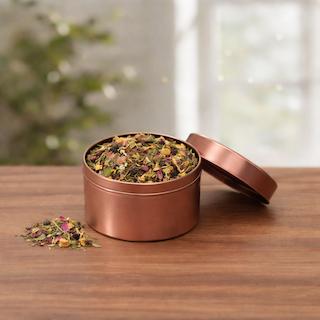
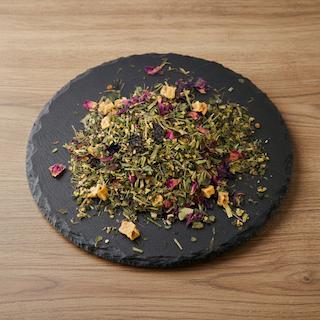
The Moringa oleifera, pure and in full growth (hero image)

Botanical cuisine

Moringa leaf

Moringa oleifera

Why we love this botanical

Moringa gives a golden-green cup with the aroma of fresh leaf, young pod and soft hay. On the palate it is bright, dry and distinctly green, with a mild nutty note and a fine bitterness that can bring to mind spinach, garden cress and green tea. That bitterness remains controlled: not sharp, but present, and precisely because of that moringa feels straightforward, alert and clean in the cup.

In botanical infusions, moringa acts as a quiet structuring agent. The leaf brings volume, dry length and a green backbone, making floral or fruity accents less fleeting. Alongside lemon verbena or hibiscus it maintains tension in the blend; with ginger, tulsi or spices it gains more warmth and direction. Thus moringa is rarely the loudest note, but often the element that binds a mélange together and gives it a mature, spicy base.

Habitat & Origin

Moringa oleifera originally comes from the foothills of the Himalayas in northern India, but has long been cultivated in warm, semi-arid regions of South Asia, East Africa, and parts of Latin America. The tree grows quickly, loves sun, well-drained soil, and a climate with distinct dry periods. Precisely because it tolerates heat and temporary drought well, it is often planted in gardens, small-scale mixed cropping systems, and homesteads. For infusions, the young, tender leaves are mainly harvested, often several times a year. Careful drying in the shade helps the leaf retain its olive-green color, mild aroma, and balanced bitterness.

Active compounds

The profile of moringa leaf is shaped in part by polyphenols such as chlorogenic acid, quercetin and kaempferol, alongside sulfur-containing glucosinolates. Together they give the leaf its green, slightly bitter and somewhat savory character. In the cup, that translates into dry length, a vegetal note and a subtle nuttiness. During drying, the bright fresh leaf notes diminish somewhat, while the aroma becomes rounder and softer. As a result, moringa shifts from fresh-green to more hay-like, herbal and tea-like.

Ayurvedic approach

In South Asian cuisines and herbal traditions, moringa is known as an everyday plant: leaf, pod and sometimes seed each get their own place in the kitchen. In an Ayurvedic context, interpretations vary by plant part, but the leaf in infusion form is often seen as lighter and milder than root or bark. Because of its bitter, green and drier character, moringa in modern Ayurvedic blends often fits well with pitta, while vata usually benefits from rounder partners such as licorice, fennel or warm spices. In this way, its use remains culturally rooted, culinary and rhythmic, more a part of nutrition than of grand promises.

Thermal energy (Virya) light cooling

Pitta

Balancing

Increasing Balancing

Effect: strong balancing

Vata

Balancing

Increasing Balancing

Effect: light balancing

Kapha

Balancing

Increasing Balancing

Effect: light balancing

Dosha’s & tea
Ayurveda

Tea Blog

Dosha’s & tea

What Ayurveda understands by Vata, Pitta and Kapha — and how that provides direction for tea.

Read the article

Flavour profile & Blending

Intensity

Strong

Accessibility

Accessible

Character

vegetal, bitter

Role in the blend

Balanced herb (10–20%): creates a harmonious foundation and supports the other flavours.

The indicated percentage refers to the approximate weight proportion of this herb within the total blend, but it can of course be adjusted to give the herb a more dominant or more subtle role.

Moringa combines beautifully with lemon verbena, lemongrass and tulsi when a blend may remain fresh and green, and with ginger, cardamom or cinnamon when more warmth is desired. Alongside hibiscus and rosehip, the leaf brings extra body and less volatile depth. In compositions, moringa often works as a base or bridge: it carries floral notes, tempers sweetness and gives a blend a dry, mature structure.

An infusion of moringa pairs well with citrus salads, coconut desserts, sesame cookies, and savory dishes with lentils, green herbs, or roasted vegetables. The slight bitterness cuts pleasantly through creaminess and sweetness, while the green character matches nicely with cucumber, mint, coriander, and lime. Moringa also works well alongside cake with nuts or banana, because the dry leaf notes make the whole feel less heavy.

More flavour details

Selection guide (aroma directions)

Intensity
5
Freshness
1
Citrus
0
Fruity
1
Floral
1
Spicy / Herbal
1
Earthy / Woody
2

Food pairing (structure)

Sweetness
2
Sourness
1
Bitterness
5
Astringency
4
Body
4
Aftertaste length
4
Sharpness / Pungency
0
Blending notes: vegetal (8/10)
Flavour appreciation
Taste

Tea Blog

Flavour appreciation

Learn to taste tea mindfully — from aroma and intensity to mouthfeel and food pairing.

Read the article

Precautions

Nourishing and green in character. If you use medication for blood sugar or blood pressure, it is wise to check first.

Experience Moringa leaf

Discover the versatility of this botanical in our blends, or use it as the foundation for your own creation in our Blendstudio.


Contact

Reach us via chat
Chat WhatsApp
9am-6pm on working days
Reach us by email
E-mail contact@maisontisane.nl
Response usually the same working day
Reach us by phone
Call 040 – 240 5807
9am-6pm on working days

Create your own

Blendstudio Workshops

Inspiration

Botanicals Tea Blog

You can shop safely with us

You can shop safely with us (Webwinkel Keurmerk)

Pay securely with:

iDEAL VISA Mastercard American Express Riverty PayPal

Shopping Cart

( )

Your cart is empty

Total