Maison Tisane
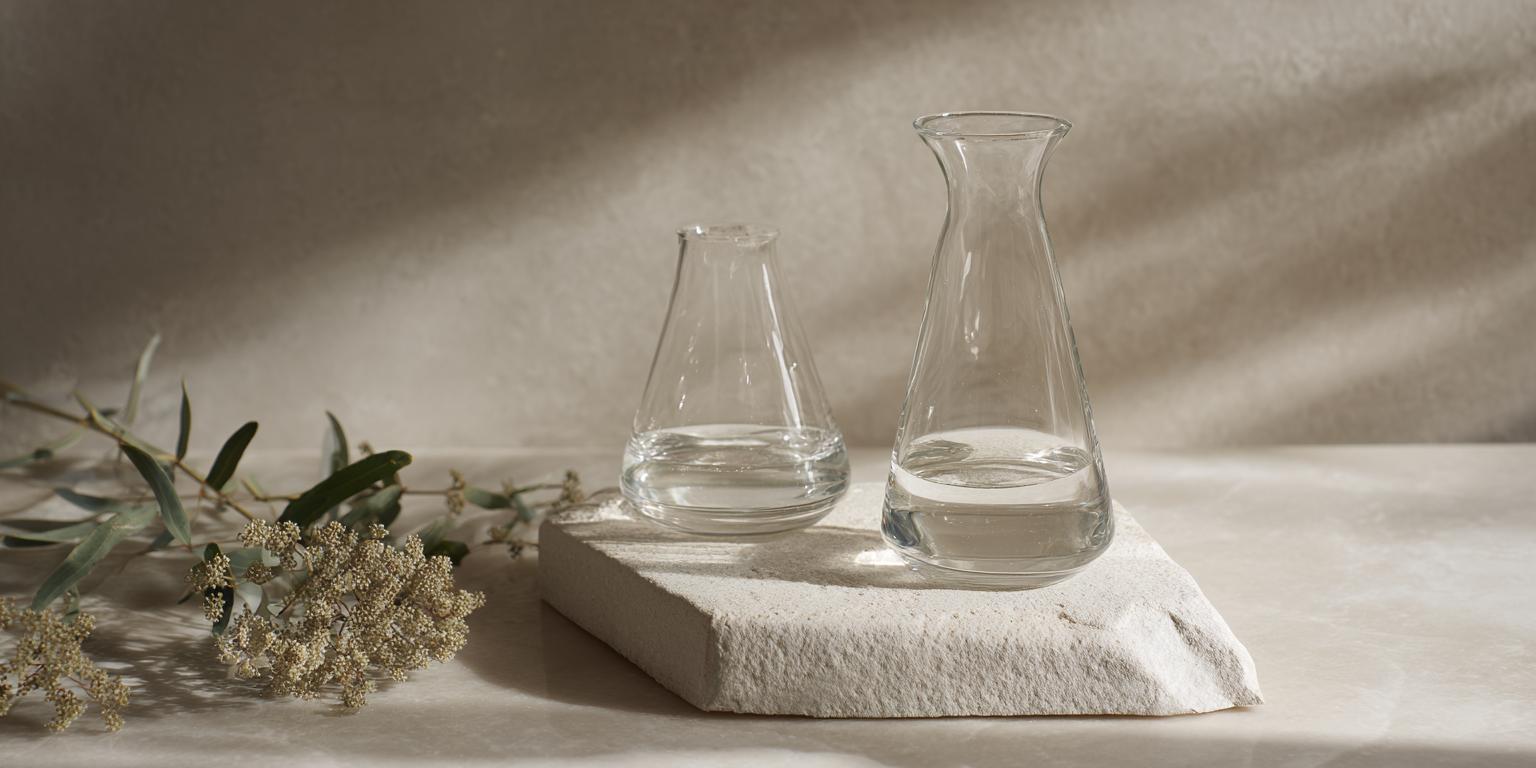
Water quality (hero image)

Water quality

Soft water, clear head — this is how you taste more nuance in tea and botanicals.

Water quality for tea and infusions: hardness and taste

Water is the largest ingredient in your cup, but often the least discussed. In both botanical infusions and Camellia sinensis tea, water hardness determines how clear, rounded, and aromatic the taste turns out. With too much limescale, floral and green notes become dull more quickly; with too few minerals, a cup can feel flat. In this guide you’ll learn what to look for, how to compare easily at home, and how to choose water that lets your blend and tea speak better.

The pitfall is that we treat water as neutral, while it drives your entire extraction: hard water becomes dull and astringent more quickly, and ultra-soft water can make aroma less carrying. Two more classics: water that has been boiled for too long and water from a kettle with a lot of limescale buildup. By tasting consciously once (cold, warm, and in the cup) you understand which minerals enhance your tea. After that, adjusting is simple: filtering, blending, or choosing a different water.

Make water a small part of your ritual: let it run fresh for a moment, heat it gently to just below boiling, and taste a sip pure before you pour. Those few seconds of attention make your cup softer and clearer.

Water sets the tone

Tea and botanical infusions are almost entirely water. That makes water the most underestimated ingredient: it can open up or mute aroma, make sweetness rounder or, on the contrary, add a astringent edge. If a blend tastes different at home than you expect, don’t start with “more herbs” or “steep longer,” but with the water.

1) Smell

Smell cold water in a glass. Do you taste chlorine or “swimming pool”? Then you’ll taste that in your cup too.

2) Hardness

A lot of limescale/minerals make flavors dull more quickly and the mouthfeel drier. You often see it in rapid limescale buildup in the kettle.

3) Balance

Water that’s too soft can taste “flat,” too mineral can dominate. The best choice is usually in the middle: neutral and calm.

A small agreement with yourself: change only 1 variable

Test water with the same dosage, the same steeping time, and the same pot. That’s the fastest route to consistency. Want to learn to taste more consciously? Taste appreciation in tea helps you put words to what you already notice.


Water hardness and minerals

Water hardness is mainly about calcium and magnesium. These aren’t “bad” minerals, but in high amounts they can flatten aromas and make the mouthfeel more astringent. In addition, bicarbonate (alkalinity) and any odorants (such as chlorine) play a major role in how tea or botanicals turn out.

Hardness (limescale)

What you notice: duller aroma, a quicker “dry” feeling, sometimes a haze in the cup.

What helps: filtering, or trying a more neutral (less mineral) bottled water.

Alkalinity (bicarbonate)

What you notice: acids are “covered” more quickly (e.g., in fruity or fresh notes), the cup feels rounder but sometimes less lively.

What helps: choose more neutral water for delicate flavors; with robust black tea, a bit of roundness can actually be pleasant.

Odor (chlorine, tap)

What you notice: a “cleaning product” note in aroma and aftertaste, especially with light herbs and green tea.

What helps: let the water run “fresh” for a moment, draw it cold, and if there’s a clear odor: filter it or let it air out in a carafe.

Reading a label without technical hassle

With bottled water, terms like calcium, magnesium, and bicarbonate often already give enough direction. Do you mainly see high values and do you taste “stony” or heavy? Then a softer water can suddenly make your herbs and tea taste lighter and clearer. Conversely: with very soft water, do you mostly taste “hot water with aroma”? Then a slightly more mineral water can actually provide more structure.

Botanical infusions: clarity and extraction

Botanicals deliver flavor in layers. Flowers and leaves open quickly in aroma; seeds and roots build body over time. Water with lots of minerals can make those layers more compact: less “air” in the top notes, more emphasis on the earthy. Soft, neutral water often lets more detail come through in the cup.

Three practical directions

Flowers and light leaves

Think chamomile, linden blossom, and soft florals. Preferably choose neutral, not too mineral water. That way aroma and finesse stay intact.

Seeds and spices

Such as fennel, coriander, or anise. These can handle a bit of “roundness.” If your water is very soft and you miss body, slightly more mineral water is sometimes just enough.

Fresh and fruity

With botanicals that are clearly tart or fresh (e.g., hibiscus, citrus, mint), hard water can “close” the flavor more quickly. Then try softer water for more clarity.

Ritual tip: choose your pot consciously

Water is one side of the equation; space is the other. Botanicals need room to open. A spacious pot and gentle straining with a tea strainer make the difference between a cloudy, busy cup and a clear, layered infusion.

For the basic brewing itself: our brewing guide keeps it simple (dosage, temperature, time, rest).

Tea from Camellia sinensis: nuance and structure

With “real” tea (Camellia sinensis), water is often even more decisive, because tea reacts more quickly to hardness and temperature. Soft water lets delicate notes speak better, but too soft can also make a cup a bit thin. It’s again about balance: enough minerals for structure, not so many that the aroma gets pushed aside.

Choose water to match the tea type

  • Green and white tea: often at their best with soft, neutral water. Think refined green teas like Sencha Premium or light white tea. Water that’s too mineral makes them turn strict or flat more quickly.
  • Oolong: can have a bit more body. If your water is very soft, oolong can sometimes become “too cautious”; slightly more mineral water can then taste rounder.
  • Black tea and pu-erh: often tolerate more minerals and can benefit from extra structure. A full black tea like Golden Yunnan can actually feel richer with a touch more minerals.

Avoid confusion: tisane or tea

In practice, you usually brew botanical infusions longer and more gently; tea (Camellia sinensis) more often calls for more precise control of temperature and time. If you want the difference to be clear: What is a tisane? lays it out neatly side by side.

A simple water tasting

The fastest way to understand water hardness, minerals, and flavor isn’t reading, but comparing. It doesn’t have to be technical. Three glasses, one blend, one moment of attention.

How to do it in 10 minutes

  1. Choose one botanical blend or tea you know well (preferably something with a clear aroma, like minty, floral, or lightly spicy).
  2. Make three cups with exactly the same dosage and steeping time.
  3. Use three waters: tap, filtered, and (optional) bottled with a different mineral profile.
  4. Taste in this order: aroma, first sip, mouthfeel (dry or round?), aftertaste.
  5. Don’t choose “the best” in general, but the best for this blend. That’s your practical reference point.

What you often discover

  • Softer water gives more aroma, clearer flavor, less “limescale edge.”
  • More mineral water gives more body, but can mute light herbs or green tea more quickly.
  • Chlorine odor is a dealbreaker with delicate blends: then filtering almost always wins.

Contact

Reach us via chat
Chat WhatsApp
9am-6pm on working days
Reach us by email
E-mail contact@maisontisane.nl
Response usually the same working day
Reach us by phone
Call 040 – 240 5807
9am-6pm on working days

Create your own

Blendstudio Workshops

Inspiration

Botanicals Tea Blog

You can shop safely with us

You can shop safely with us (Webwinkel Keurmerk)

Pay securely with:

iDEAL VISA Mastercard American Express Riverty PayPal

Shopping Cart

( )

Your cart is empty

Total

Shared cart

Someone has shared a cart with you. Would you like to add these products to your cart?

Total