Maison Tisane
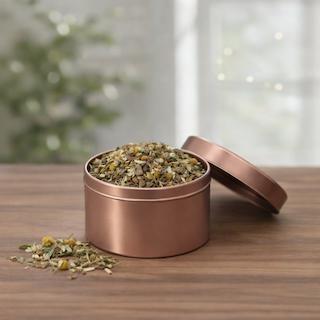
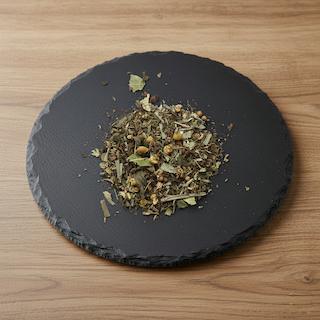
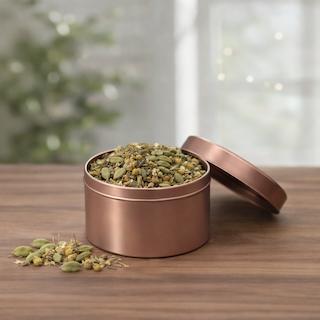
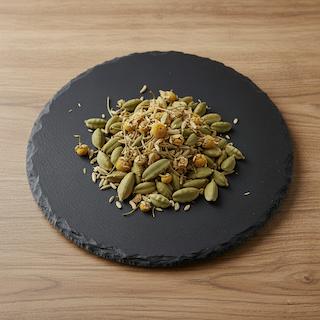
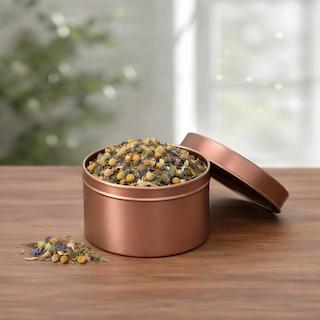
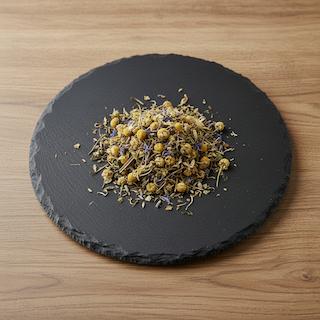
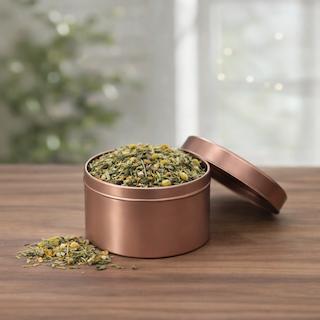
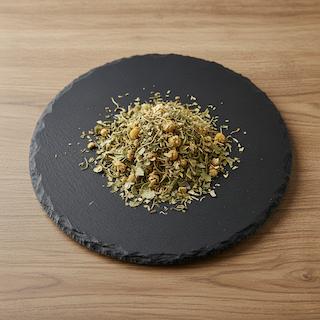
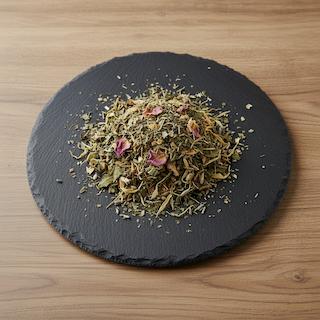
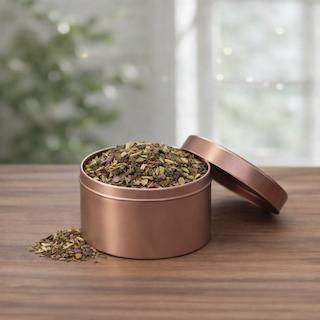
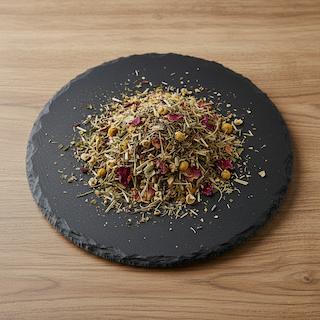
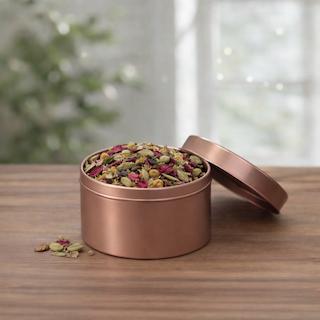
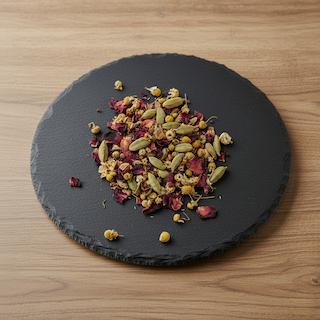
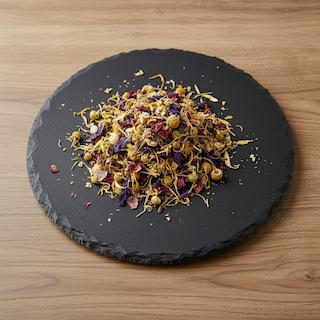
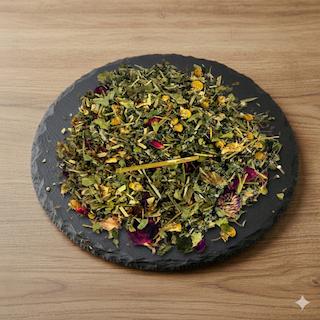
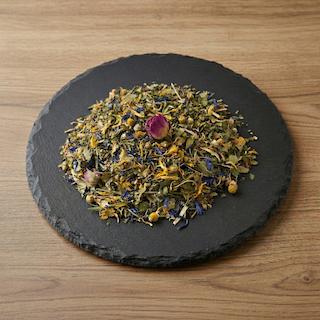
The Matricaria recutita, pure and in full growth (hero image)

Botanical cuisine

Chamomile

Matricaria recutita

Why we love this botanical

C hamomile is for us the language of softness. A small flower with a sunny heart that whispers a moment of slowing down even in a busy day. In the nose, a soft, honey-like scent opens up with a hint of apple and hay. In the cup, the infusion turns bright golden yellow: light, clear, and inviting. We appreciate chamomile because it is simple and refined at the same time – never intrusive, but always present as a quiet undercurrent in a blend.

Where some botanicals mainly add punch or tension, chamomile brings rounding. With its medium intensity and distinct floral character, it provides roundness and a slightly sweet, straw-like base, with a small, elegant bitterness in the aftertaste. In our Botanical Kitchen, we use it as a balanced base in evening rituals and calm daily blends: a soft carrier on which citrus, herbs, or fresh leaves can lean without losing their individuality.
Habitat & Origin

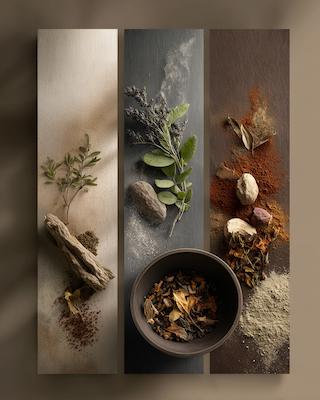
True chamomile (Matricaria recutita) originates from the open, sunny grasslands of Europe and West Asia, where light sandy and loamy soils ensure a high concentration of aromatic compounds in the flower heads. From late spring, the plant forms clouds of small, white-yellow flowers that are spread by wind and insects. For infusions, only the fragrant flower is picked, usually early in the day when the flower base is firm and rich in essential oil. After manual harvesting, the flowers are dried in thin layers so that shape, color, and the typical honey-hay aromas are preserved. Maison Tisane looks for flower heads with a clearly convex heart, warm golden yellow tint, and an open, fresh scent—essential for a clear, soft cup without dustiness.

Active compounds

Chamomile contains chamazulene-forming substances such as matricine, along with bisabolol and soft sesquiterpenes that give the warm-herbal undertone. Flavonoids such as apigenin and luteolin bring the honey-like, straw-floral signature to life. This combination creates a golden, soft floral depth with an elegant, friendly bitterness — an aromatic profile that brings peace and rounding to every blend.

Ayurvedic approach

Chamomile is read in Ayurveda energetically as a cool, honey-floral herb that soothes Pitta and offers Vata mild rest, while Kapha is opened in a light way. In European traditions, chamomile was considered 'sun herb of the poor': a plant that grew everywhere and therefore symbolized accessibility and daily calm. Its warm straw aroma was linked to domesticity. Energetically, chamomile feels like afternoon light through linen: soft, bright, and inviting to slow down.

Thermal energy (Virya) light cooling

Pitta

Balancing

Increasing Balancing

Effect: strong balancing

Vata

Balancing

Increasing Balancing

Effect: light balancing

Kapha

Balancing

Increasing Balancing

Effect: light balancing

Flavour profile & Blending

Intensity

Strong

Accessibility

Accessible

Character

floral, lingering, full, sweet

Role in the blend

Balanced herb (10–20%): creates a harmonious foundation and supports the other flavours.

The indicated percentage refers to the approximate weight proportion of this herb within the total blend, but it can of course be adjusted to give the herb a more dominant or more subtle role.

Chamomile supports as a soft, gold-floral base that rounds off sharp or raw edges in a blend. It makes lemon balm and lemon peel rounder and less shrill, and softens the spiciness of sage, thyme, or ginger. With linden blossom and rose petal, a honey blossom layer is created that makes floral blends deeper and more complex. In combination with rooibos or chicory root, chamomile gets a warmer, almost dessert-like undertone. Thus, chamomile acts as a bridge between sweet, floral, and fresh.

Chamomile connects beautifully with light desserts such as lemon cake, almond cookies, scones with citrus jam, panna cotta, and simple honey yogurt. The straw-honey-like tone prolongs the taste of subtly sweet pastry without dominating. Also with breakfast dishes like oatmeal or granola with apple, chamomile provides a soothing, floral layer. In savory context, it can make soft cheeses or mild cream sauce feel just a bit softer and more homely.

More flavour details

Selection guide (aroma directions)

Intensity
6
Freshness
1
Citrus
2
Fruity
3
Floral
7
Spicy / Herbal
2
Earthy / Woody
3

Food pairing (structure)

Sweetness
5
Sourness
1
Bitterness
4
Astringency
2
Body
5
Aftertaste length
5
Sharpness / Pungency
0
Blending notes: vegetal (3/10), resinous (2/10)

Precautions

Floral calm. Sensitive to ragweed? Test cautiously.

Experience Chamomile

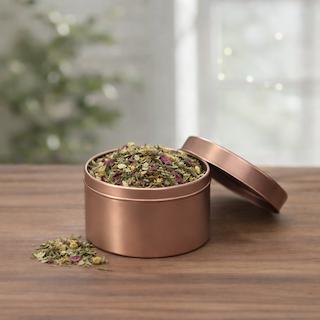
Discover the versatility of this botanical in our blends, or use it as the foundation for your own creation in our Blendstudio.


Contact

Reach us via chat
Chat WhatsApp
9am-6pm on working days
Reach us by email
E-mail contact@maisontisane.nl
Response usually the same working day
Reach us by phone
Call 040 – 240 5807
9am-6pm on working days

Customer Service

Contact Shipping Returns

Create your own

Blendstudio

Inspiration

Botanicals

You can shop safely with us

You can shop safely with us (Webwinkel Keurmerk)

Pay securely with:

iDEAL VISA Mastercard American Express Riverty PayPal

Shopping Cart

( )

Your cart is empty

Total