Maison Tisane
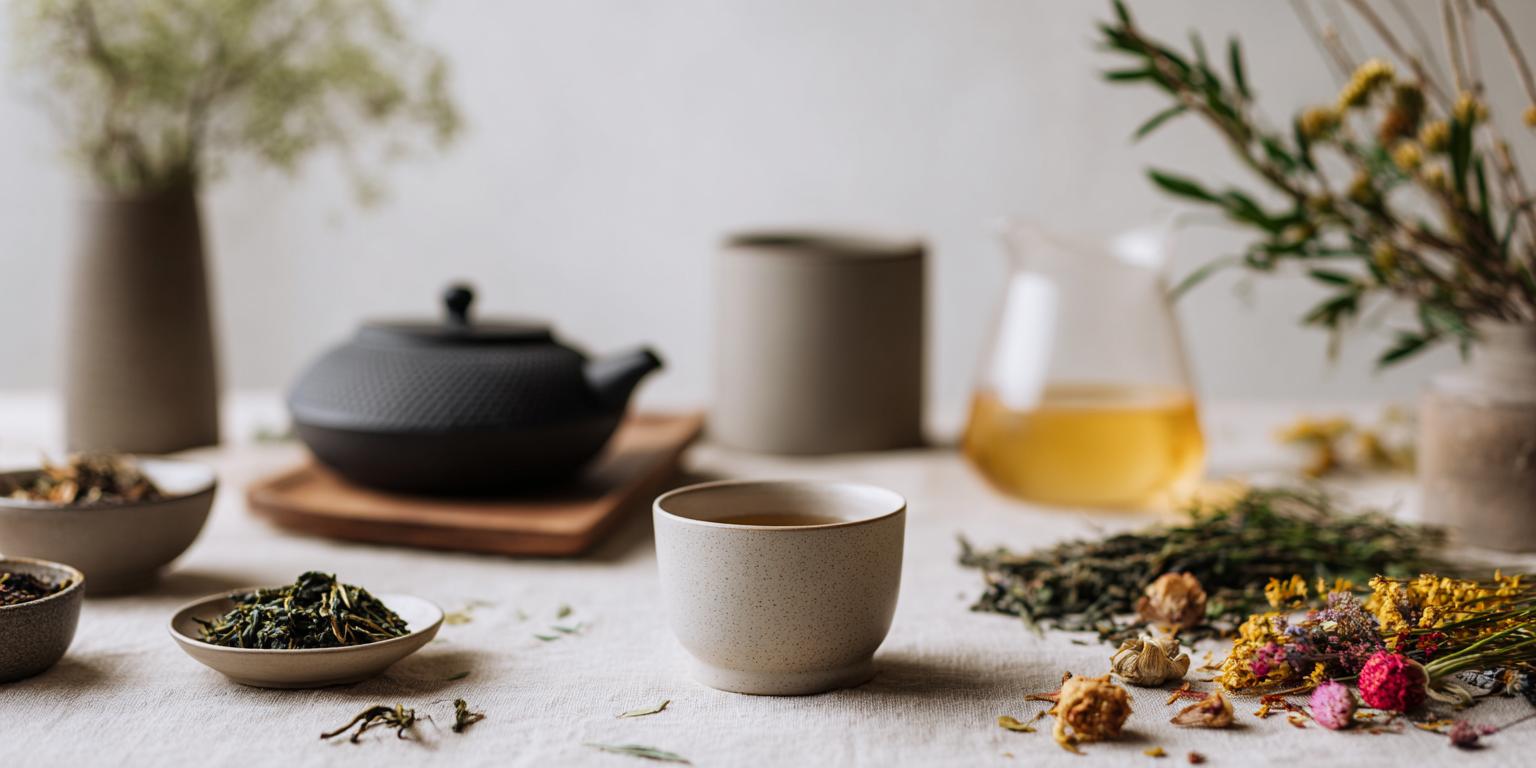
Tisane or tea? (hero image)

Tisane or tea?

A clear distinction — tisane is a botanical infusion, tea comes from Camellia sinensis.

What is a tisane? Herbal tea versus Camellia sinensis tea

On the label it often says herbal tea, but strictly speaking you usually drink a tisane: the French word for a herbal infusion. Real tea comes from Camellia sinensis (green, black, white, oolong) and has its own world of flavors. A tisane can consist of flowers, leaves, seeds, peels or roots and is generally caffeine-free; yerba mate is a well-known exception. If you have the terms clear, you choose more easily: what suits your moment, and how to brew it most beautifully.

A lot of confusion starts with one habit: we quickly call everything you pour hot water over tea. The pitfall is that you expect caffeine where it isn’t (or vice versa), that you steep a herbal infusion just as briefly as green tea, or that you think rooibos and chamomile come from the same family as real tea. Once you know the distinction between Camellia sinensis and a tisane, choosing becomes easier and you brew with more calm and precision.

Make it a small ritual: smell the botanicals, cover your cup for a moment, and only taste once the aroma has settled. Attention is the difference between a drink and a moment.

What is a tisane?

A tisane is a botanical infusion: you pour over or steep something that does not come from the tea plant. So no tea leaves from Camellia sinensis, but for example flowers, leaves, roots, seeds, or peels. The word is French for an herbal infusion—refined, botanical, with history.

Remember this

  • Tea = leaves of Camellia sinensis (green, black, white, oolong, puer).
  • Tisane = everything around it: botanicals you drink as an infusion.
  • In everyday language this is often called “herbal tea”, but technically it is not tea.

Why the difference is helpful

Not to be strict with words, but to make expectations line up. Tea behaves differently than botanicals: different bitter compounds, different steeping time, and usually a different rhythm in your day as well.


Tea or tisane: the same action, a different plant

From the outside it looks the same: hot water, a pot, a short wait. The difference is in the raw material. The tea plant provides leaves with their own structure; a tisane draws on the broad botanical world.

Tea: Camellia sinensis

  • Varieties: green, black, white, oolong, puer.
  • Naturally contains caffeine (to varying degrees).
  • Can become bitter quickly with water that’s too hot or a steeping time that’s too long.

Tisane: botanical infusion

  • Made from flowers, herbs, seeds, roots, or peels.
  • Generally caffeine-free.
  • Often more forgiving and rounder with longer steeping.

Quick label check

Do you see Camellia sinensis or “green/black tea”? Then you’re drinking tea. Do you see only botanicals such as chamomile, mint or rooibos? Then it’s a tisane.

What a tisane can be made from

The beauty of a tisane is the freedom: you’re not working with one leaf, but with parts of a plant that each bring something different—aroma, roundness, depth.

Botanicals in practice

Flowers

Aroma and softness — such as linden blossom, lavender and rose petals.

Leaves

Fresh and green — such as lemon balm, nettle leaf.

Seeds

Body and spiciness — such as fennel seed, coriander seed.

Roots & bark

Depth and earthiness — such as ginger or chicory root.

Infusion or decoction?

Most tisanes are prepared as an infusion. With harder parts (root, bark, seed), a decoction — gently steeping or simmering — can add more depth. In Cooling or warming? you’ll see both methods.

Frequently asked questions

Is rooibos tea?

No. Rooibos is a tisane: it does not come from Camellia sinensis and is naturally caffeine-free.

Is chai tea or tisane?

That depends on the base. With black tea it’s tea; without tea leaf it’s a spice tisane.

Why does a tisane steep longer?

Many botanicals release their flavor in layers. With extra time you get more body and roundness. That’s exactly why covering and waiting calmly makes such a big difference.

Can I drink a tisane cold?

Absolutely. Brew a bit stronger (a little more botanicals or a slightly longer steep), let it cool, and pour over ice. You keep the flavor, without needing sugar for “body”.

Contact

Reach us via chat
Chat WhatsApp
9am-6pm on working days
Reach us by email
E-mail contact@maisontisane.nl
Response usually the same working day
Reach us by phone
Call 040 – 240 5807
9am-6pm on working days

Create your own

Blendstudio

Inspiration

Botanicals Tea Blog

You can shop safely with us

You can shop safely with us (Webwinkel Keurmerk)

Pay securely with:

iDEAL VISA Mastercard American Express Riverty PayPal

Shopping Cart

( )

Your cart is empty

Total