Maison Tisane
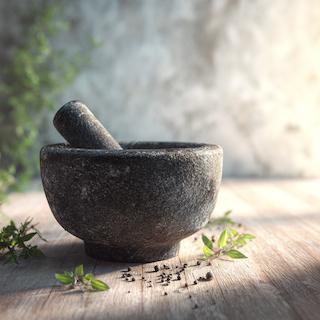
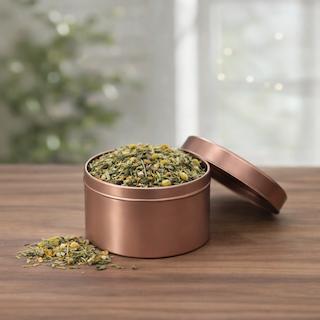
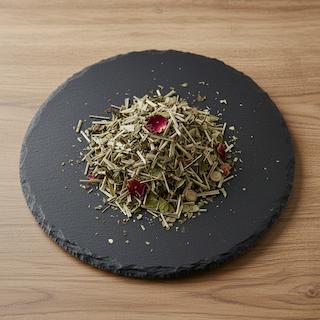
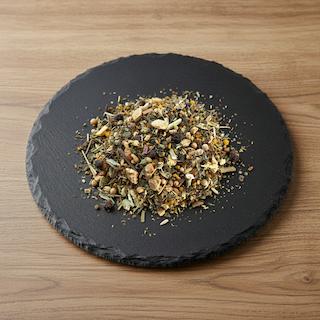
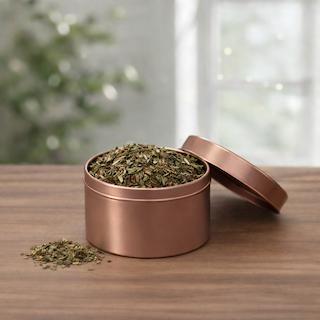
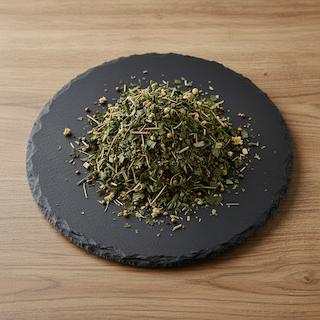
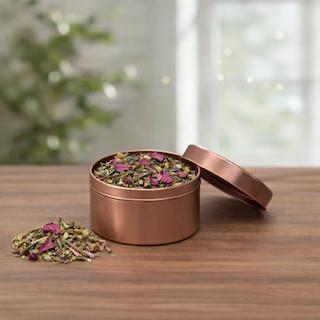
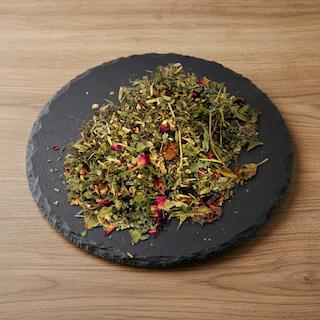
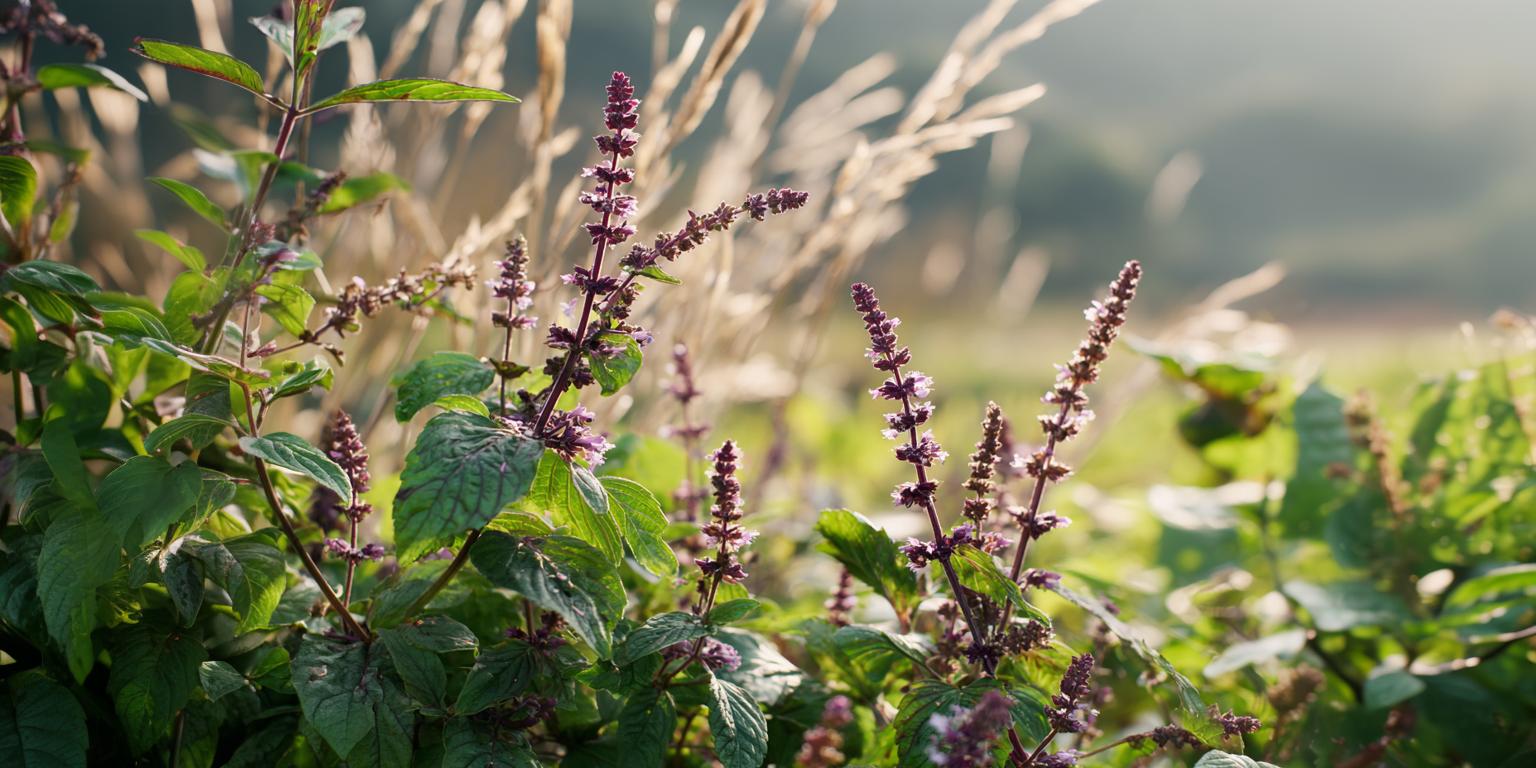
The Ocimum sanctum, pure and in full growth (hero image)

Botanical cuisine

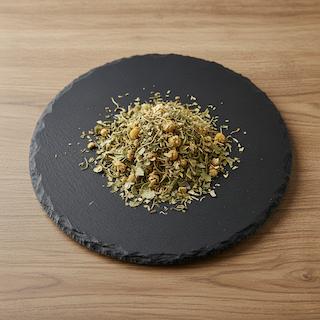
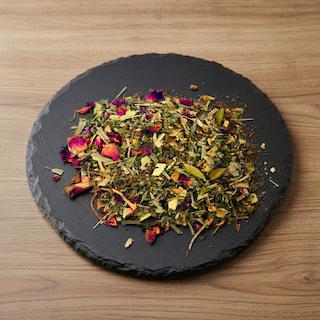
Holy basil leaf

Ocimum sanctum

Why we love this botanical

H oly basil, or tulsi, has a refined spiciness with clove-like top notes, warm greenness, and a light sweetness. The aroma is more complex than kitchen basil: warmer, deeper, and at the same time clear. In infusions, tulsi brings an almost sacred calm, with an aromatic profile that is both inviting and clarifying.

During steeping, layers of clove, basil, and soft pepperiness unfold, forming a round, aromatic infusion together. Tulsi connects floral tones, citrus, and roots into a coherent whole and gives a blend a recognizable but not loud signature. The herb feels both domestic and ceremonial, ideal for daily rituals.
Habitat & Origin

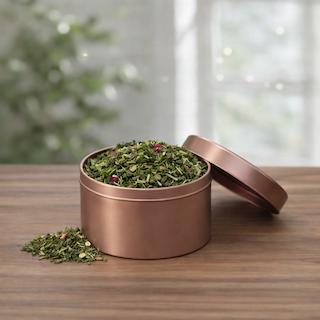
Tulsi (Ocimum sanctum / O. tenuiflorum) has been cultivated in India for centuries in inner gardens, temple grounds, and yard plantings. The plant prefers to grow in warm, sunny conditions with airy, sandy soils and regular rain. Tulsi forms multiple growth cycles per season, so leaf picking happens in rounds: always when the young tops are rich in aroma. Picking is usually done in the morning to protect the volatile oils. After drying, the leaf is sieved to separate stems and heavier parts. Maison Tisane looks for leaf that is dark green to olive green, with a warm, clove-like scent—a sign that the essential oil structure is fully developed.

Active compounds

Tulsi contains fragrant essential oils such as eugenol, cineole, and warm basil-like terpenes. These compounds create the recognizable, layered tulsi aroma: warm, clove-like, slightly peppery, yet refined sweet. Green phenols provide depth and an elegant structure. In infusions, tulsi brings an aromatic calm — warm, clear, and almost ceremonial in character.

Ayurvedic approach

Tulsi is seen in Ayurveda as a warm, aromatic leaf that sets Kapha in motion and gives Vata clear direction, while Pitta is approached with softness. In classical texts, it appears under the honorary title 'queen of herbs', a symbol of purity and mental alertness, intended more ritually than functionally. In Indian households, tulsi was cherished as a house plant for its scent and its role in daily rituals. Energetically, the leaf feels uplifting, warm, and refined.

Thermal energy (Virya) light heating

Pitta

Increasing

Increasing Balancing

Effect: light increasing

Vata

Balancing

Increasing Balancing

Effect: light balancing

Kapha

Balancing

Increasing Balancing

Effect: strong balancing

Flavour profile & Blending

Intensity

Strong

Accessibility

Accessible

Character

vegetal, lingering, spicy

Role in the blend

Strong herb (2.5–5%): contributes noticeably to the flavour profile and should be dosed with care.

The indicated percentage refers to the approximate weight proportion of this herb within the total blend, but it can of course be adjusted to give the herb a more dominant or more subtle role.

Tulsi contrasts warm-aromatically with fresh herbs and supports floral elements. The clove-like warmth rounds off mint and gives lemongrass depth without sharpness. Ginger gets a more spiritual, spicy layering, while rooibos offers a warm foundation in which tulsi shines. In combination with jasmine or cornflower, an aromatic-dewy tension arises that makes blends ceremonial, inviting, and layered.

Tulsi pairs beautifully with cardamom pastry, light chai muffins, honey yogurt, peach compote, and even coconut rice. The warm, spicy accent enlivens fruit and gives creamy structures a refined, almost sacred depth. Tulsi lifts soft desserts and brings elegance to sweeter preparations without making them heavier.

More flavour details

Selection guide (aroma directions)

Intensity
6
Freshness
3
Citrus
1
Fruity
1
Floral
3
Spicy / Herbal
6
Earthy / Woody
2

Food pairing (structure)

Sweetness
2
Sourness
1
Bitterness
2
Astringency
2
Body
3
Aftertaste length
6
Sharpness / Pungency
3
Blending notes: vegetal (6/10), resinous (3/10), umami (2/10)

Precautions

Holy leaf that can lower blood sugar. Monitor your glucose if you use diabetes medication.

Experience Holy basil leaf

Discover the versatility of this botanical in our blends, or use it as the foundation for your own creation in our Blendstudio.


Contact

Reach us via chat
Chat WhatsApp
9am-6pm on working days
Reach us by email
E-mail contact@maisontisane.nl
Response usually the same working day
Reach us by phone
Call 040 – 240 5807
9am-6pm on working days

Customer Service

Contact Shipping Returns

Create your own

Blendstudio

Inspiration

Botanicals

You can shop safely with us

You can shop safely with us (Webwinkel Keurmerk)

Pay securely with:

iDEAL VISA Mastercard American Express Riverty PayPal

Shopping Cart

( )

Your cart is empty

Total