Maison Tisane
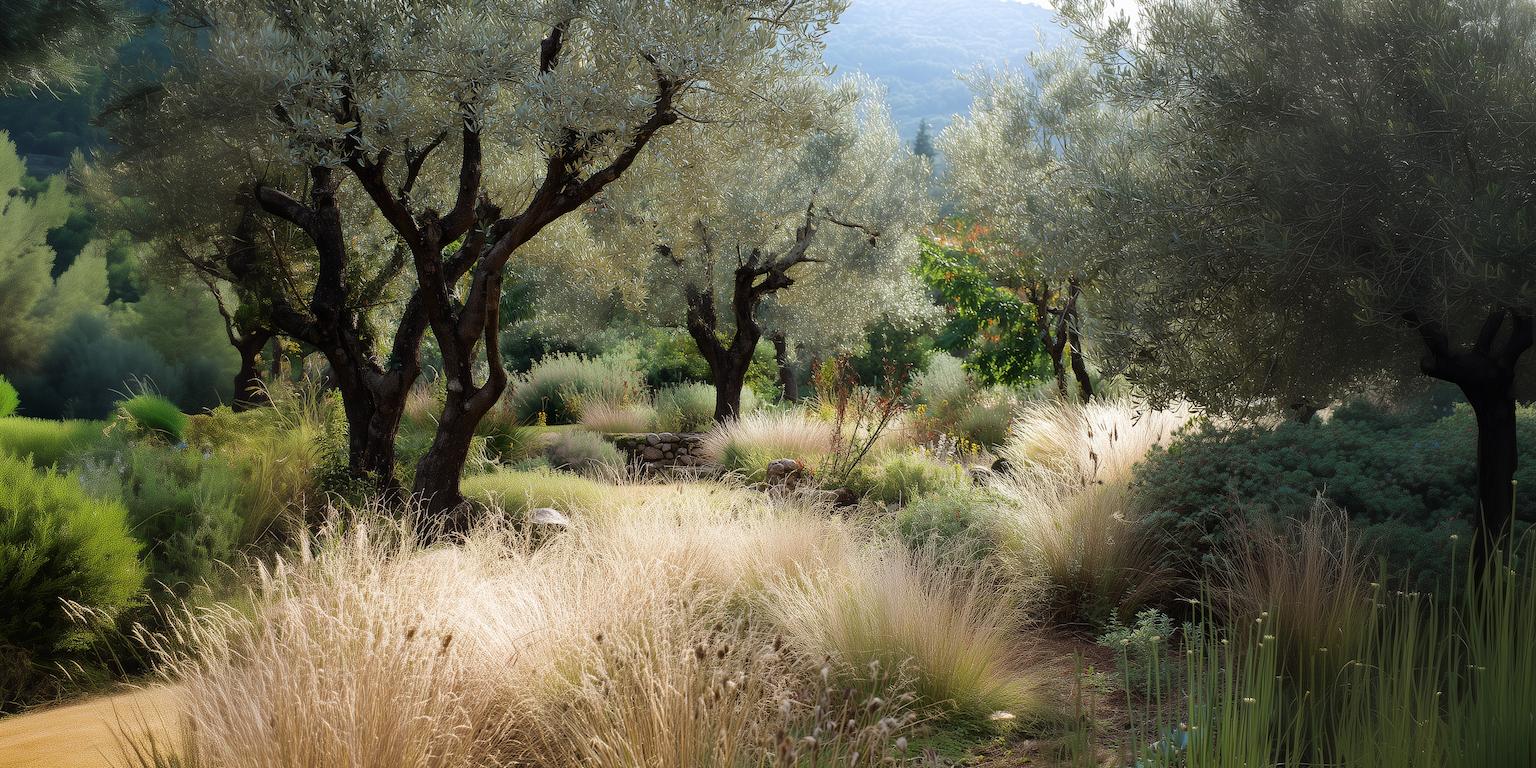
The Olea europaea, pure and in full growth (hero image)

Botanical cuisine

Olive leaf

Olea europaea

Why we love this botanical

Olive leaf produces an infusion with a soft golden hue and a calm, leafy-green aroma. In the cup you taste something of fresh twig, dried herb and a fine, dry bitterness that can evoke artichoke, green olive and young bay leaf. The mouthfeel is slender but clearly present, with a lightly astringent grip and a long, bright finish. As a result, the character feels at once Mediterranean, spicy and strikingly serene.

In tea and herbal compositions, olive leaf rarely works as a fragrant soloist. Its value lies in the structure it gives to a blend. It connects fresh citrus notes with softer floral or fruity elements and brings balance when a mélange threatens to become too rounded or sweet. Alongside lemon verbena, thyme, citrus peel, sage, or green tea, it lays a dry, elegant line beneath the top note, allowing other botanicals to come forward more precisely and with greater layering.

Habitat & Origin

Olive leaf comes from Olea europaea, an evergreen tree deeply connected to the landscape of the Mediterranean region. The species thrives on sunny slopes, stony terraces, and calcareous, well-drained soils where dry summers and mild winters set the rhythm. From southern Spain and Italy to Greece, Turkey, and parts of North Africa, leaves are traditionally harvested along with pruning or after the olive harvest. For infusion, one generally selects intact, mature leaves that are dried quickly and carefully so that their green, slightly resinous character is preserved. Sun, wind, and poor soil give the leaf its compact, concentrated profile.

Active compounds

The flavor profile of olive tree leaf is mainly determined by phenolic compounds such as oleuropein, supplemented with flavonoids and breakdown products such as hydroxytyrosol. Together they provide the distinct bitterness, the dry grip on the tongue, and the bright green, lightly herbal character of the infusion. During drying, the rough leaf-green softens somewhat and a more rounded herbiness develops, while hot water brings the bitters and the astringent structure clearly to the fore.

Ayurvedic approach

Olive leaf does not belong to the classical core herbs of Ayurveda, but it can be read within an Ayurvedic logic of taste. Because of its lightly cooling nature, bitter note, and astringent structure, it is often associated with pitta- and kapha-balancing infusions, especially in clear, herbal compositions. For vata it generally works more gently in combination with warmer botanicals such as cinnamon, ginger, or fennel. Outside Ayurveda, the leaf has a long Mediterranean tradition as a simple home infusion, valued for its sober, pure character.

Thermal energy (Virya) light cooling

Pitta

Balancing

Increasing Balancing

Effect: strong balancing

Vata

Increasing

Increasing Balancing

Effect: light increasing

Kapha

Balancing

Increasing Balancing

Effect: strong balancing

Dosha’s & tea
Ayurveda

Tea Blog

Dosha’s & tea

What Ayurveda understands by Vata, Pitta and Kapha — and how that provides direction for tea.

Read the article

Flavour profile & Blending

Intensity

Strong

Accessibility

Accessible

Character

vegetal, bitter, lingering, astringent

Role in the blend

Firm herb (5–10%): provides structure and body to the blend without overwhelming it.

The indicated percentage refers to the approximate weight proportion of this herb within the total blend, but it can of course be adjusted to give the herb a more dominant or more subtle role.

In blends, olive leaf acts as a structuring agent and dry bridge between fresh and spicy elements. It combines beautifully with lemon verbena, citrus peel, rosemary, thyme, sage, bay leaf and green tea. Alongside apple, chamomile or other rounder botanicals, it keeps the composition lean and precise. Use it when a blend may gain more backbone, bitterness and Mediterranean tension.

An infusion of olive leaf pairs well with almond pastry, lemon cake, roasted nuts, olives, grilled vegetables and soft goat cheese. The dry bitterness and green note cut nicely through fat and sweetness, while the long aftertaste connects with Mediterranean herbs and citrus. It also works surprisingly well alongside apricot, fig or dark chocolate, precisely because of its restrained, savory counterbalance.

More flavour details

Selection guide (aroma directions)

Intensity
5
Freshness
2
Citrus
0
Fruity
1
Floral
2
Spicy / Herbal
1
Earthy / Woody
3

Food pairing (structure)

Sweetness
2
Sourness
1
Bitterness
6
Astringency
5
Body
3
Aftertaste length
5
Sharpness / Pungency
0
Blending notes: vegetal (7/10), resinous (2/10)
Flavour appreciation
Taste

Tea Blog

Flavour appreciation

Learn to taste tea mindfully — from aroma and intensity to mouthfeel and food pairing.

Read the article

Precautions

If you use medication for blood pressure or blood sugar, it is wise to check first.

Experience Olive leaf

Discover the versatility of this botanical in our blends, or use it as the foundation for your own creation in our Blendstudio.


Contact

Reach us via chat
Chat WhatsApp
9am-6pm on working days
Reach us by email
E-mail contact@maisontisane.nl
Response usually the same working day
Reach us by phone
Call 040 – 240 5807
9am-6pm on working days

Create your own

Blendstudio Workshops

Inspiration

Botanicals Tea Blog

You can shop safely with us

You can shop safely with us (Webwinkel Keurmerk)

Pay securely with:

iDEAL VISA Mastercard American Express Riverty PayPal

Shopping Cart

( )

Your cart is empty

Total