Maison Tisane
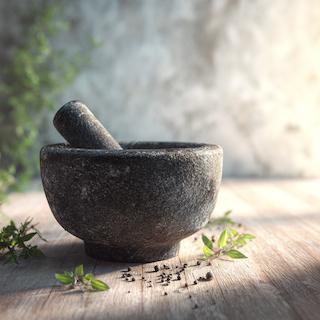
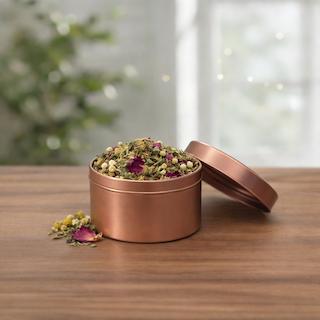
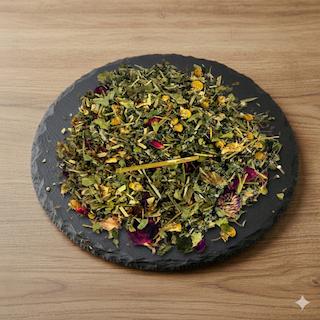
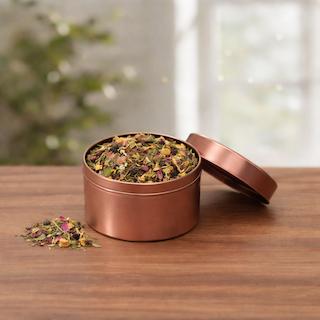
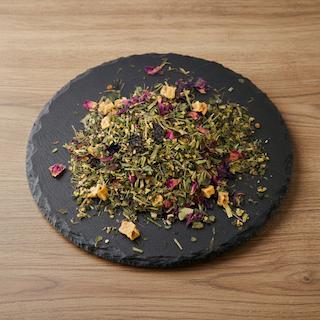
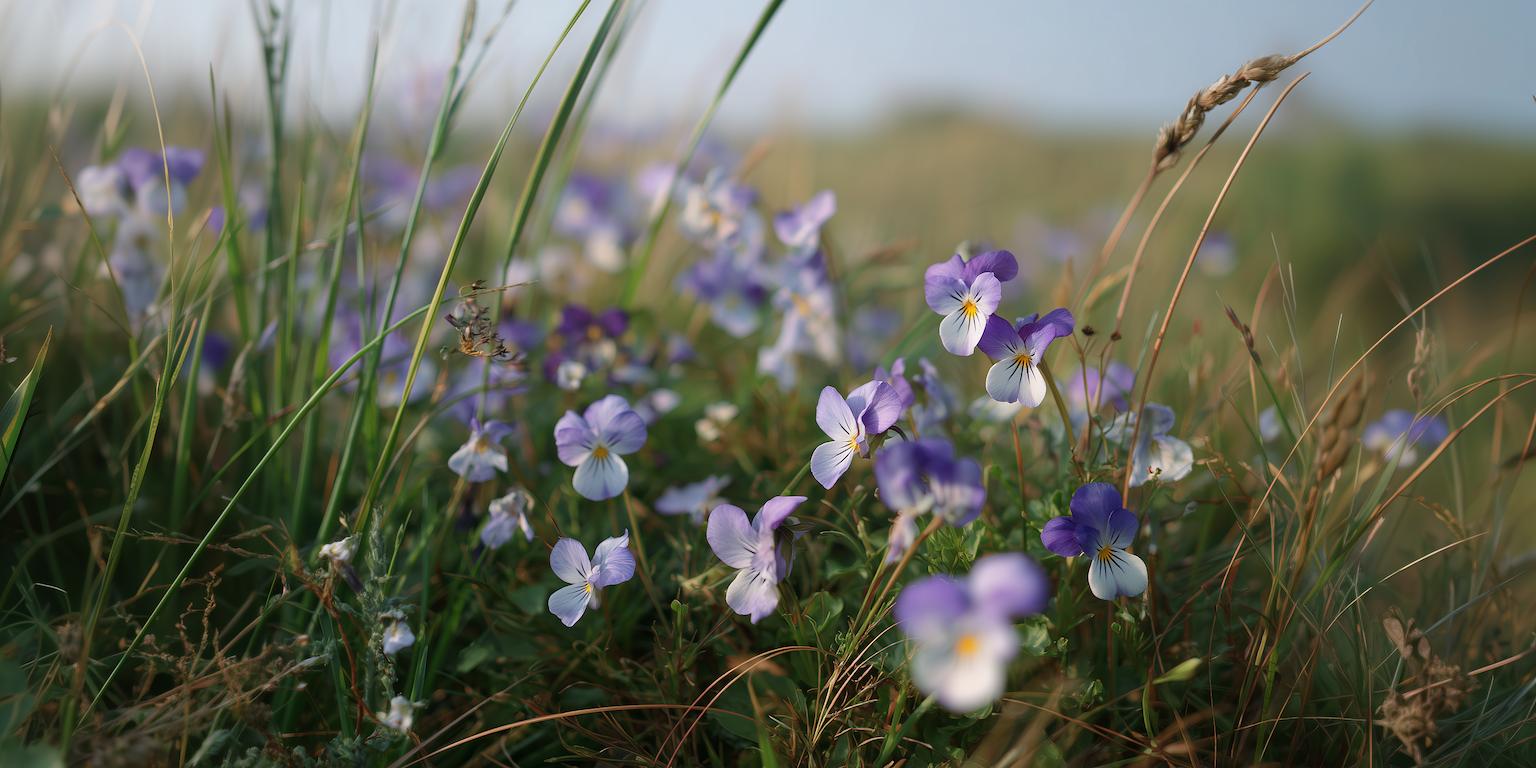
The Viola tricolor, pure and in full growth (hero image)

Botanical cuisine

Wild pansy

Viola tricolor

Why we love this botanical

Tricolour violet yields an infusion with a soft golden-yellow sheen and a scent that feels at once floral and green. In the cup, something of fresh leaf, young meadow and a delicate, almost cooling floral aspect unfolds. The taste is mild but not flat: lightly bitter, discreetly earthy and with a calm length that gives the plant a thoughtful character. It is an herb that does not rely on volume, but on nuance and texture.

In botanical compositions, pansy often acts as a quiet connector. It brings floral lightness without perfume, supports green notes, and gives blends more body and an elegant, lightly drying grip. As a result, it fits well between softer flowers and more herbal or root-like ingredients: not as a leading player, but as a plant that brings tension, cohesion, and a well-groomed finish. Especially in tea-like blends, it provides air, structure, and a refined botanical calm.
Habitat & Origin

Wild pansy originally is a wild European plant that is at home in temperate regions, from grasslands and field margins to light heath and open sandy soil. It likes to grow on poor, well-drained soils where sun and wind have free rein. Precisely those modest habitats give the plant its sober, clear character: floral, green and slightly bitter. For herbal use, the above-ground herb is generally harvested during flowering, usually in spring and early summer, when leaf and flower are still delicate and fresh. After harvesting, the material is carefully dried to preserve color, scent and the fragile aromatic profile.

Active compounds

The profile of wild pansy is partly shaped by flavonoids, mucilages, saponins and natural colorants such as anthocyanins. Together they give the plant its soft, green and slightly bitter character. In an infusion, mucilages contribute to a rounder mouthfeel, while flavonoids and other phenolic constituents provide the fine drying sensation and a slightly more herbal undertone. As an infusion, not as a decoction, the floral character remains more elegant; extraction for too long tends to reveal the vegetal and earthy sides.

Ayurvedic approach

Wild pansy is not among the best-known classical Ayurvedic herbs, but within that way of thinking it can be read as light, soothing, and more cooling than warming. As a result, in contemporary herbal interpretations it is often linked to pitta, especially when heat, sharpness, and spiciness in a blend may be tempered. In European herbalism, the above-ground herb was already valued early on in spring preparations, as a plant of transition and renewal. That historical place fits well with its fresh, green, and understated character in the cup.

Thermal energy (Virya) light cooling

Pitta

Balancing

Increasing Balancing

Effect: strong balancing

Vata

neutral

Increasing Balancing

Effect: neutral

Kapha

Balancing

Increasing Balancing

Effect: light balancing

Dosha’s & tea
Ayurveda

Tea Blog

Dosha’s & tea

What Ayurveda understands by Vata, Pitta and Kapha — and how that provides direction for tea.

Read the article

Flavour profile & Blending

Intensity

Strong

Accessibility

Accessible

Character

vegetal

Role in the blend

Balanced herb (10–20%): creates a harmonious foundation and supports the other flavours.

The indicated percentage refers to the approximate weight proportion of this herb within the total blend, but it can of course be adjusted to give the herb a more dominant or more subtle role.

In blends, tricolour pansy combines beautifully with linden blossom, elderflower, lemon balm, nettle and a small touch of licorice or marshmallow root. It works as a bridge between floral top notes and green-herbal depth, and gives softer blends more body and a neat, slightly drying finish. Alongside chamomile or verbena, it keeps the composition airy without becoming sweet.

An infusion of wild pansy pairs well with apple or pear pastries, light lemon desserts, almond cookies, and fresh dairy such as fresh goat cheese or yogurt. The gentle floral notes complement fruit and cream, while the slight bitterness keeps sweetness in check. It also works nicely alongside cucumber, young herbs, and mild spring salads, because its green character extends such flavors.

More flavour details

Selection guide (aroma directions)

Intensity
4
Freshness
2
Citrus
0
Fruity
1
Floral
4
Spicy / Herbal
1
Earthy / Woody
2

Food pairing (structure)

Sweetness
2
Sourness
1
Bitterness
3
Astringency
3
Body
4
Aftertaste length
4
Sharpness / Pungency
0
Blending notes: vegetal (5/10)
Flavour appreciation
Taste

Tea Blog

Flavour appreciation

Learn to taste tea mindfully — from aroma and intensity to mouthfeel and food pairing.

Read the article

Experience Wild pansy

Discover the versatility of this botanical in our blends, or use it as the foundation for your own creation in our Blendstudio.


Contact

Reach us via chat
Chat WhatsApp
9am-6pm on working days
Reach us by email
E-mail contact@maisontisane.nl
Response usually the same working day
Reach us by phone
Call 040 – 240 5807
9am-6pm on working days

Create your own

Blendstudio Workshops

Inspiration

Botanicals Tea Blog

You can shop safely with us

You can shop safely with us (Webwinkel Keurmerk)

Pay securely with:

iDEAL VISA Mastercard American Express Riverty PayPal

Shopping Cart

( )

Your cart is empty

Total