Maison Tisane
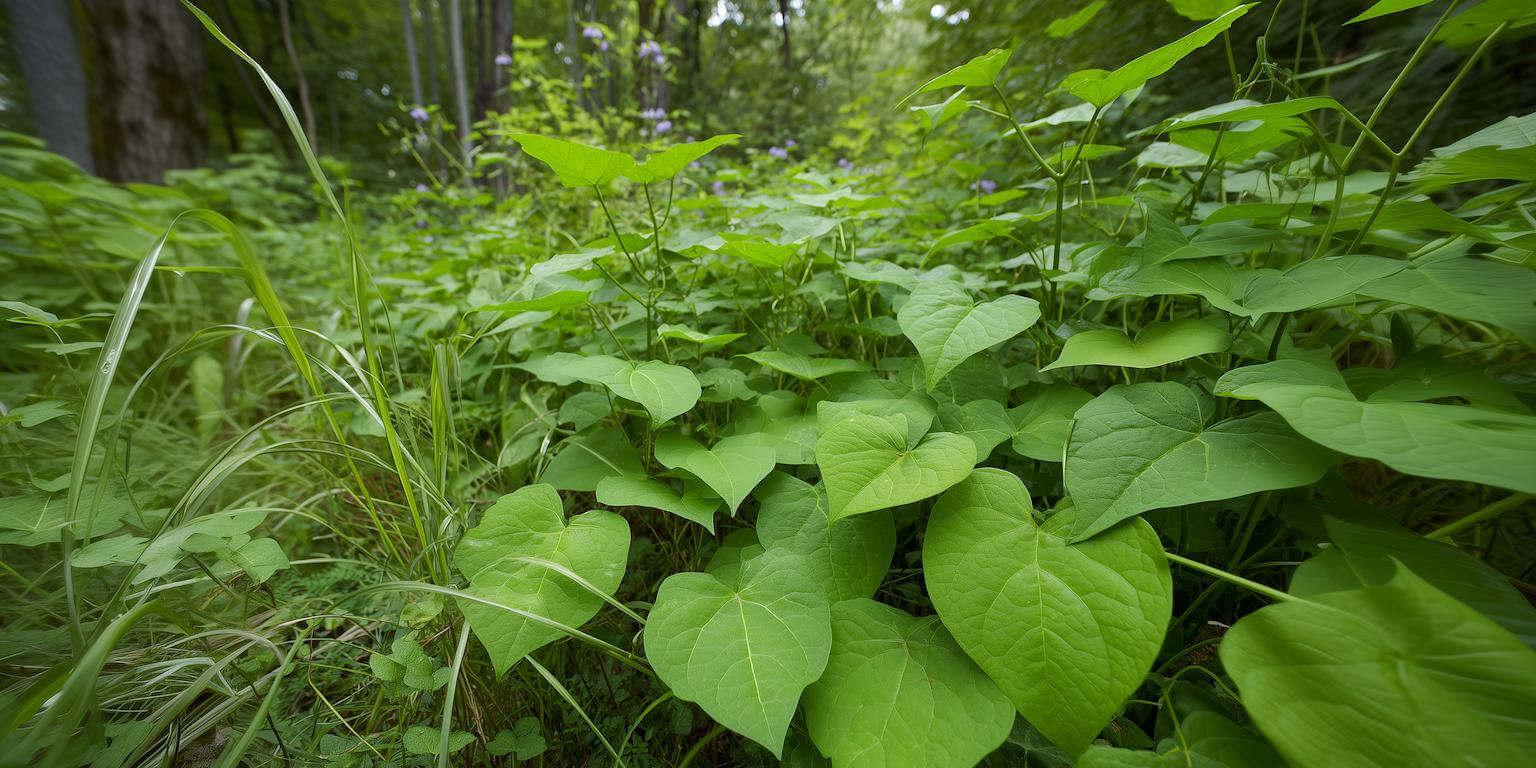
The Dioscorea villosa, pure and in full growth (hero image)

Botanical cuisine

Wild yam root

Dioscorea villosa

Why we love this botanical

Wild yam root gives a golden-colored infusion with a calm, earthy depth. In the aroma there is dry wood, forest floor and a hint of green bitterness, as if a root has been slowly warmed without ever turning dark. On the tongue it is dry, softly astringent and rounded enough to provide grip. Not an exuberant spice, but a quiet building block with a calm, rooted character and an aftertaste that lingers for a while.

In tea and herbal blends, wild yam mainly acts as a structuring agent. It brings firmness beneath sweeter or floral ingredients and makes lighter compositions less fleeting. Alongside spices, it adds depth without heat; alongside leaves and blossoms, it holds the center. This makes it interesting in blends that seek a calm, earthy base, with more layering than purely bitter and more softness than many other roots.
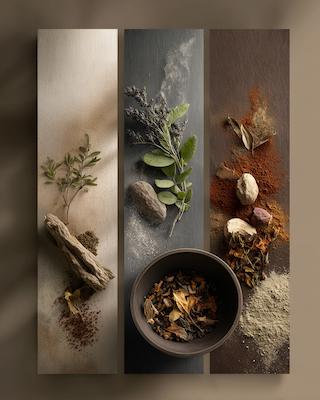
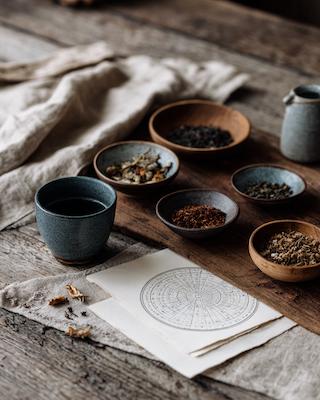
Habitat & Origin

Dioscorea villosa is originally native to the eastern and central parts of North America, where the twining plant grows along forest edges, thickets, clearings and moist slopes. It likes humus-rich, well-drained soil and a season with sufficient warmth, followed by a cold winter dormancy. The plant winds upward along hedges and young trees, while its reserves are stored underground in the rhizome and roots. For use, mainly the underground part is harvested, traditionally when the foliage dies back and the plant sends its reserves downward again. That slow growth rhythm and that woodland origin give the root its compact, earthy character.

Active compounds

The profile of wild yam is mainly associated with steroidal saponins, including dioscin and related sapogenins such as diosgenin. These substances give the root its dry, slightly bitter signature and the almost chalky, somewhat astringent mouthfeel. In addition, starch and mild phenolic constituents contribute to roundness and length on the palate. Because many of these compounds are released more slowly, slow steeping or a short decoction generally yields a fuller and clearer root profile than a quick infusion.

Ayurvedic approach

Wild yam does not belong to the classic Ayurvedic kitchen herbs, but in contemporary herbal bridges between Ayurveda and Western traditions it is often read as neutral to gently grounding. Its dry bitterness and calm root character make it suitable in compositions that do not want to heat, but do seek solidity and depth. From that perspective it often aligns nicely with Pitta and Kapha, without excluding Vata. In North American herbal traditions the root mainly had a place in long-steeped preparations and tinctures.

Thermal energy (Virya) neutral

Pitta

Balancing

Increasing Balancing

Effect: light balancing

Vata

neutral

Increasing Balancing

Effect: neutral

Kapha

Balancing

Increasing Balancing

Effect: light balancing

Dosha’s & tea
Ayurveda

Tea Blog

Dosha’s & tea

What Ayurveda understands by Vata, Pitta and Kapha — and how that provides direction for tea.

Read the article

Flavour profile & Blending

Intensity

Strong

Accessibility

Accessible

Character

bitter, earthy, lingering

Role in the blend

Firm herb (5–10%): provides structure and body to the blend without overwhelming it.

The indicated percentage refers to the approximate weight proportion of this herb within the total blend, but it can of course be adjusted to give the herb a more dominant or more subtle role.

In blends, wild yam root combines nicely with ginger, cinnamon, licorice, chicory root, dandelion root, and orange peel. It mainly works as a solid base or bridge: it anchors sweetness, rounds off spices, and gives floral or leafy botanicals more body. It can also work alongside chamomile or rose, provided it is dosed appropriately, so that the root depth supports without weighing down the bouquet.

An infusion of wild yam root pairs well with roasted apple, pear tart, nut cake, chestnut, pumpkin and desserts with caramel or mild spices. The earthy bitterness balances sweet dishes and complements roasted notes nicely. It also works well alongside buckwheat, oat or rye baking, because the dry root structure deepens grain-like flavors without becoming heavy.

More flavour details

Selection guide (aroma directions)

Intensity
4
Freshness
0
Citrus
0
Fruity
0
Floral
0
Spicy / Herbal
1
Earthy / Woody
6

Food pairing (structure)

Sweetness
2
Sourness
0
Bitterness
6
Astringency
2
Body
4
Aftertaste length
5
Sharpness / Pungency
0
Blending notes: vegetal (2/10)
Flavour appreciation
Taste

Tea Blog

Flavour appreciation

Learn to taste tea mindfully — from aroma and intensity to mouthfeel and food pairing.

Read the article

Precautions

During pregnancy or with hormone-sensitive conditions, best used only with professional advice.

Experience Wild yam root

Discover the versatility of this botanical in our blends, or use it as the foundation for your own creation in our Blendstudio.


Contact

Reach us via chat
Chat WhatsApp
9am-6pm on working days
Reach us by email
E-mail contact@maisontisane.nl
Response usually the same working day
Reach us by phone
Call 040 – 240 5807
9am-6pm on working days

Create your own

Blendstudio Workshops

Inspiration

Botanicals Tea Blog

You can shop safely with us

You can shop safely with us (Webwinkel Keurmerk)

Pay securely with:

iDEAL VISA Mastercard American Express Riverty PayPal

Shopping Cart

( )

Your cart is empty

Total