Maison Tisane
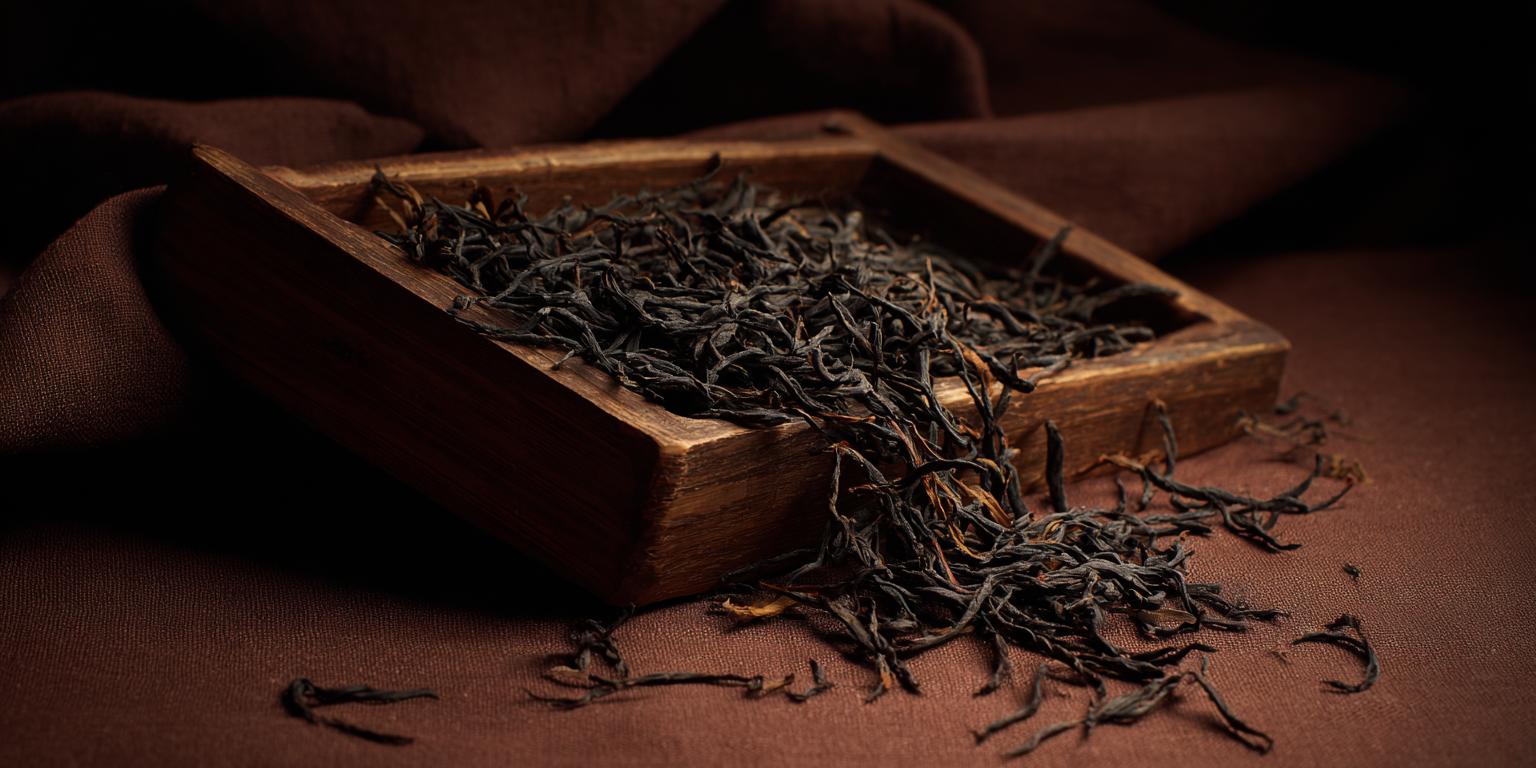
Black tea (hero image)

Black tea

Origin, craftsmanship and layers of flavor in black tea — from leaf to batch.

Black tea: origin and production from Assam to Darjeeling

Black tea starts with the same plant as green and oolong: Camellia sinensis. It’s not a flavor, but a family of styles: from malty and dark to floral and light. You taste origin and craftsmanship in every step: plant, altitude, picking, and above all the route from withering and rolling to oxidation. We walk through the production steps and the major regions, so you can read a label or batch note the way you read an ingredient — we deliberately keep brewing technique to a minimum.

Black tea is often seen as a single category, but at the leaf level it is a world of choices. The pitfalls: confusing ‘strong’ with quality, skipping origin (everything is called a ‘blend’), and seeing oxidation as a single switch you turn on or off. Once you pay attention to plucking, leaf size and the moment the leaf is stopped (drying or firing), you’ll taste why Darjeeling can be lighter than Assam, and why Yunnan sometimes leans toward cocoa. That’s the gain: you don’t choose based on marketing, but on process and flavor direction.

Open the tin and first smell the dry leaf: that is your quickest hint at origin and processing. Only then comes water — with more attention, and less chance.

What makes black tea black

Black tea is not a separate plant, but a deliberate way of processing. The leaves of Camellia sinensis are treated after picking in such a way that they oxidize strongly. This changes not only the color of the leaf, but also the aroma: from green and fresh to darker, warmer and rounder.

The same leaf

Green tea, oolong and black tea come from the same bush. The difference lies mainly in oxidation and in the way the leaf is rolled, broken or dried.

Oxidation

With black tea, oxidation is given room. The leaf, as it were, “keeps working”: aroma and color deepen, bitterness shifts, body develops.

Why it’s sometimes called red

In China, black tea is often called hongcha: “red tea”, referring to the color of the drink in your cup. In the West we tend to look at the dark leaf.

Quickly clarified: tea, tisane and caffeine

Black tea is real tea (Camellia sinensis) and typically contains caffeine. If you’re looking for something botanical and usually caffeine-free, the distinction between tea and tisane helps. Read: what is a tisane?


Origin in layers: cultivar, climate and plucking

If you want to understand black tea, it helps not to see origin as a country on a label, but as a stack of choices. It starts with the plant (which variety), the landscape (altitude, mist, soil), and ends with something very practical: what exactly is picked.

The plant: sinensis or assamica

In practice you often encounter two big “families”: Camellia sinensis var. sinensis (smaller leaves, often refined and aromatic) and var. assamica (larger leaves, often fuller and malty). It’s not a hard rule, but it is a useful direction.

The landscape: altitude and pace

Cooler climate and altitude often mean a slower growth rate. That can give more aromatic layering. Warmer and lower can instead provide strength and body. What you taste is the pace of nature, plus the pace of the maker.

The pluck: young leaf is elegant

A lot of quality tea starts from a simple standard: two leaves and a bud. Young leaf often gives more aroma and nuance. More mature leaf can give more structure, but requires different processing to keep it rounded.

Reading origin in 30 seconds

  • Region or garden (e.g. Assam, Darjeeling, Yunnan) often says more than just “India/China”.
  • Harvest period (e.g. first flush) hints at style: lighter and more floral versus rounder and darker.
  • Leaf style (whole leaf, broken, CTC) predicts body and extraction.
  • Single origin or blend: do you want to taste terroir or a consistent profile?

From leaf to cup: the 5 steps in production

Black tea is “made” in a chain of actions. Each part is small, but the effect is big. Those who learn to look at these steps taste more quickly why one black tea is honeyed and soft, and another smoky, powerful or, on the contrary, dry.

1. Withering

After picking, the leaf loses moisture. It becomes more pliable and “prepares” itself for oxidation. This is also where a lot of aromatic direction is created: the gentler and longer the withering, the rounder the profile often becomes.

2. Rolling or bruising

Rolling breaks open cell structures. That is not force for the sake of force, but a way to bring enzymes and oxygen into contact with each other. The intensity (gentle rolling versus firm breaking) steers body and color.

3. Oxidation

This is the tipping point. The leaf colors, aromas shift from green to fruity, woody, cocoa or malt. A few minutes longer or shorter can be the difference between elegant and flat, or between round and sharp.

4. Fixing and drying

Heat stops the process. Drying makes the tea stable and preserves what has just been built up. The type of heat (air, pan, wood fire) can also leave a signature.

5. Sorting and optionally blending

After drying, tea is often sorted by leaf size. Some makers blend (for consistency), others bottle per lot or per garden (for character). If you like tasting “the story of a place”, single origin is often the shortest route.

Oxidation is not fermentation

The word “fermented” often pops up with black tea, but in a technical sense it is usually about enzymatic oxidation (contact with oxygen) and not microbial fermentation. It sounds like a detail, but it helps: oxidation is about timing and oxygen; fermentation is about microorganisms and aging.

Orthodox and CTC: two routes to a different cup

Under “black tea” there are broadly two production styles that you often see reflected in taste, texture and how quickly the tea releases. Not better or worse, but: a different intention.

Orthodox (whole leaf)

Orthodox tea is generally made with more attention to intact leaf. You often taste more layers: top notes, middle, finish. This is the style where terroir and harvest nuance most easily remain visible.

  • Slower, more layered aroma
  • Often a bit softer in mouthfeel
  • Nice if you like tasting it pure

CTC (crush, tear, curl)

CTC is designed for strength and consistency. The leaf becomes smaller, which gives fast extraction. Ideal for strong breakfast blends or tea intended to be drunk with milk.

  • Fast, strong, dark
  • Lots of body, less nuance
  • Fits “builder’s tea” and chai styles

Loose tea or tea bags

Many tea bags use (not always, but often) smaller grades because they release quickly. That’s convenient, but it also explains why nuance disappears faster. If you want to taste the difference without complicated fuss: start with leaf size. Read: loose tea or tea bags

Four origins to taste

Origin is a quick route to understanding flavor. Not because every area tastes the same, but because some regions are so recognizable that you can build your own references with them. Think of them as tasting anchors: if you “know” these four, many other black teas fall into place more quickly.

Yunnan: gold, cocoa and softness

Yunnan black tea (think golden tips) often has a soft, warm style: honey, cocoa, dried fruit. A nice choice if you want to drink black without a harsh edge.

Golden Yunnan Black tea

Assam: malt, body and breakfast structure

Assam is known for that typical malty depth and a robust cup. This is tea that “stands”: full, darker, often very suitable as a base for blends.

Assam Black tea

Darjeeling: light, more floral and season-sensitive

Darjeeling can be surprisingly light and aromatic, especially with early pluck (first flush). Less “dark”, more transparent. Pleasant if you’re looking for black tea with an almost green clarity.

Darjeeling Soom First Flush Black tea

Fujian: smoke as a technique

In some Chinese black teas, smoke is not an off-flavor, but a style choice: drying over pine wood or smoking as part of the profile. The result can be pronounced, but also very “dry” and culinary.

Smokey Lapsang Souchong Black tea

Want to learn to taste better?

A few words already help: body (weight in the mouth), astringency (dryness/structure), finish (what lingers) and aroma (what you smell before you drink). With those four you can describe almost any black tea without complicated terms. Read: flavor evaluation in tea

Blending and flavoring: when scent becomes a choice

Not every black tea is meant as single origin. Blends have existed for centuries: to build a consistent profile, or to add a character (think bergamot in Earl Grey). That can be beautiful, as long as you know what you’re drinking.

Blend as house style

A blend can feel like a signature: each batch similar, each cup familiar. Especially with breakfast blends, that is often exactly the intention.

  • More consistent than single origin
  • Often built on body (Assam, Ceylon, Kenya)
  • Handy as a daily tea

Aroma on the label

If you see “aroma” or “natural aroma” on the ingredients list, then scent has been added. That doesn’t have to be bad, but it is a different product than pure leaf. If you want to taste origin and processing, then preferably choose a tea where the label says tea only.

Tip: with flavored tea it is extra important to store it well, because volatile scents fade faster.

Brewing advice in a minute

Black tea doesn’t require a complicated protocol. The most important thing is that you don’t “punish” the leaf with boiling and steeping too long. Then the cup stays round and you taste more of the work that’s in the leaf.

Water

Just below boiling (often around 90–95 °C)

Time

2–4 minutes, taste and adjust

Space

Give the leaf space to open up (basket or pot)

Handy rule of thumb: if it becomes dry or bitter, shorten the time or lower the temperature a touch. If it feels too light, first increase the dosage and only then adjust the time.

Contact

Reach us via chat
Chat WhatsApp
9am-6pm on working days
Reach us by email
E-mail contact@maisontisane.nl
Response usually the same working day
Reach us by phone
Call 040 – 240 5807
9am-6pm on working days

Create your own

Blendstudio Workshops

Inspiration

Botanicals Tea Blog

You can shop safely with us

You can shop safely with us (Webwinkel Keurmerk)

Pay securely with:

iDEAL VISA Mastercard American Express Riverty PayPal

Shopping Cart

( )

Your cart is empty

Total

Shared cart

Someone has shared a cart with you. Would you like to add these products to your cart?

Total