Maison Tisane
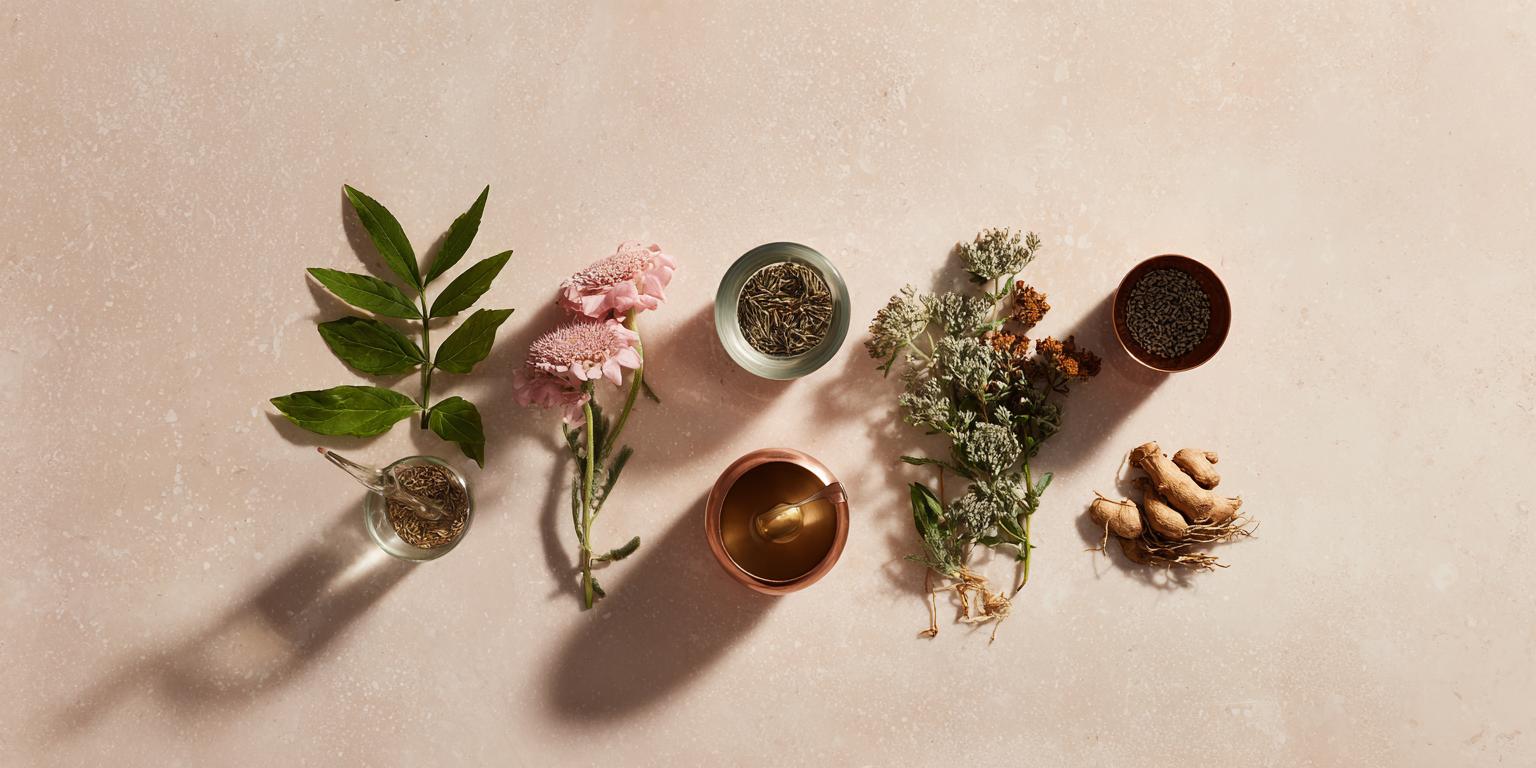
Plant part & method of setting (hero image)

Plant part & method of setting

Infusion, decoction or cold steeping — tailored to leaf, flower, seed or root.

Add botanicals by plant part: this is how you refine your infusion down to the last detail

You already know the basics of proper brewing. But anyone who really wants to refine looks not only at temperature and time — but at the plant part itself. A leaf calls for something different than a root, a flower something different than a seed. In this article you’ll discover how, for each botanical, you can choose more consciously between infusion, decoction or cold steeping — so that your blend becomes more layered and more balanced.

Leaf and flower release their character quickly. Roots, bark and hard seeds need more heat or time. The biggest pitfall is treating everything the same: boiling water over a delicate flower, or letting a root steep for only three minutes. By adjusting temperature, extraction method and steeping time per plant part, your cup doesn’t become stronger — but more precise.

Refinement is not in more herbs, but in attention to what you already have in your hands.

Plant part as a brewing compass

With botanicals, the plant part sets the pace. A flower releases aroma quickly, a leaf gives body, a seed holds oils, and a root needs time and warmth. Once you see that, brewing becomes easier: you don’t choose “by feel,” but by structure.

Want to better recognize what you’re holding? In Plant parts in botanicals you’ll see how to tell leaf, flower, seed, and root apart. For the general basics (water, covering, space in your filter), our brewing guide is a great addition.

Quick choice in 15 seconds

Soft and delicate

Flowers and soft leavesinfusion with water just below boiling, 6–10 min, always covered.

Oil and punch

Seeds and spicesinfusion longer (often 10–15 min), preferably lightly crushed for more depth.

Hard and compact

Roots and barkdecoction: gently simmer 10–20 min for a round, full cup.

Texture and softness

Mucilaginous botanicals (such as marshmallow) → steep cold or lukewarm for a velvety mouthfeel.

Remember: do you see multiple plant parts in one blend? Then brew in layers: first the hard parts, then the delicate ones. That’s often the difference between “pretty okay” and truly balanced.

A dosage that almost always works

Start with 2–3 g per 250 ml (about 1–2 heaped teaspoons, depending on how airy your botanical is). After that, adjust mainly with time and temperature — and only lastly with extra herbs. That keeps it calm and predictable.


The three brewing methods you’ll use again and again

With botanicals you almost always end up with three techniques. Once you master them, you can “read” any plant part and naturally choose the right movement.

Infusion

Pour over with hot water and let steep. Perfect for flowers and leaves, and also for many fruits.

  • Water: 85–95 °C
  • Time: 6–15 min
  • Always: cover

Decoction

Gently simmer in a small pan. This is the calm way to bring roots, bark, and hard pieces to a rounded result.

  • Often start with cold water
  • Simmer: 10–20 min
  • Then: let it rest briefly

Cold infusion

Cold water, lots of time. Ideal for botanicals with a soft texture or for a clear, light result.

  • Cold water
  • Time: 2 hours to overnight
  • Then: strain and optionally warm gently

A small tool tip that makes a big difference

Whatever method you choose: give botanicals space. A roomy filter basket or a pot with a wide belly makes your cup clearer and often softer. A simple tea strainer or a roomy glass jar works surprisingly well.

Flowers and soft leaves

Flowers and tender leaves show their best side when you don’t push them. They like hot water, but not a hard boil. Think: pour gently, cover, give it time.

Direction

2 g · 90 °C · 8–10 min · cover

How to keep it elegant

  • Pour along the side of the pot or glass, not in one hard stream onto the botanicals.
  • Don’t stir. Stirring breaks delicate leaf and creates “dust” in your cup faster.
  • Taste after 6 minutes: want more body? Give it another 2–4 minutes, covered.

Fresh herbs

Fresh herbs (such as mint) can be lightly bruised between your fingers. Not to break them, but to wake up the aroma. Then just infuse: hot water, cover, rest.

Seeds and spices

Seeds are small capsules: they store flavor in a sturdy shell. That’s why it helps to lightly crush them (mortar or the back of a spoon) and let them steep a bit longer. You’ll get more roundness, without it becoming sharp.

Infusion (most used)

  • 2–3 g per 250 ml
  • 90–95 °C
  • 10–15 min, covered
  • Seed: lightly crush

Light decoction (for extra depth)

  • Seed + water in a small pan
  • 5–8 min gently simmer
  • Heat off, rest 2–3 min covered
  • Then strain and pour

Why crushing works

You open the seed just enough to let water in, without grinding it. Grinding creates “fine dust” faster and can make the cup cloudy. Crushing is the calm middle way.

Roots and bark

Roots, bark, and sturdy pieces are compact. A short infusion often stays a bit flat: you smell a lot, but taste less depth. Decoction provides time and warmth, so the flavor becomes round.

Basic decoction step by step

  1. Put the botanicals in a small pan: 3–4 g per 250–300 ml.
  2. Pour in cold water. (That gives an even start.)
  3. Bring gently up to just below a boil and let it gently simmer for 10–20 minutes with the lid on.
  4. Turn off the heat and let it rest 3–5 minutes covered.
  5. Strain and pour. Don’t press, just let it drip out calmly.

Two phases for blends

Does your blend have both root and flower/leaf? First make a short decoction of the hard parts (for example 10 minutes). Then turn off the heat and only then add the flowers and leaves to steep for 5–8 minutes. That way it stays aromatic and full.

Fruits, berries, and peels

Fruits and peels sit in between: they’re often sturdier than flower, but less compact than root. A longer infusion usually works beautifully here. With hard berries or rosehip you can also opt for a short decoction.

Infusion

  • 2–3 g per 250 ml
  • 90–95 °C
  • 10–15 min, covered
  • For extra flavor: lightly crush or break coarsely

Nice with: apple pieces, orange peel, hibiscus.

Short decoction

  • For hard pieces (such as rosehip)
  • 8–12 min gently simmer
  • Then rest 5 min covered

Tip: rosehip and berries often taste rounder if you crush them coarsely before they go into the pan.

A small nuance with hibiscus

Hibiscus quickly gives color and tart freshness. If you brew it too long, it can become sharp. Start with 6–8 minutes and taste. Prefer more body? Then add something sturdier to your blend (such as rosehip) or extend in small steps.

Mucilaginous botanicals

Some botanicals provide not only flavor, but also texture. Think of marshmallow root, marshmallow leaf or mallow leaf. Cold or lukewarm steeping often works best here: soft, clear, and without “cooked” edges.

Cold infusion

  • 1–2 tsp per 250 ml
  • Cold water
  • 2–6 hours (or overnight in the fridge)
  • Strain and drink chilled or at room temperature

Serve lukewarm

Want it warm? Then heat the strained infusion very gently in a small pan. Don’t let it boil. That way you keep the soft structure.

Fits nicely in blends

Mucilaginous botanicals are often subtle in flavor. They work well as a base layer alongside flowers and light leaves. Brew them cold (or lukewarm) first, and add the aromatic part later via a short infusion.

Blends with multiple plant parts

In a blend, you want every plant part to “get to participate.” Too hot and too short gives mostly top notes; too long and too hard quickly makes it heavy. With one simple method, it stays balanced.

The layer-by-layer method

  1. Look at your blend: do you see clear pieces of root/bark or lots of seeds? Then a short decoction is smart.
  2. Make a base: gently simmer the hard parts for 10 minutes, then turn off the heat.
  3. Add delicate parts: let flowers and soft leaves steep along for 5–8 minutes, covered.
  4. Strain calmly and let it drip out. Don’t press.

No small pan at hand? Then choose a longer infusion at 90–95 °C (for example 12–15 minutes). That’s less “deep” than a decoction, but often still nicely rounded.

One variable at a time

Want to adjust? Change one thing at a time: first time, then temperature, and only lastly dosage. That way you quickly learn what your botanicals need.

Contact

Reach us via chat
Chat WhatsApp
9am-6pm on working days
Reach us by email
E-mail contact@maisontisane.nl
Response usually the same working day
Reach us by phone
Call 040 – 240 5807
9am-6pm on working days

Create your own

Blendstudio Workshops

Inspiration

Botanicals Tea Blog

You can shop safely with us

You can shop safely with us (Webwinkel Keurmerk)

Pay securely with:

iDEAL VISA Mastercard American Express Riverty PayPal

Shopping Cart

( )

Your cart is empty

Total