Maison Tisane
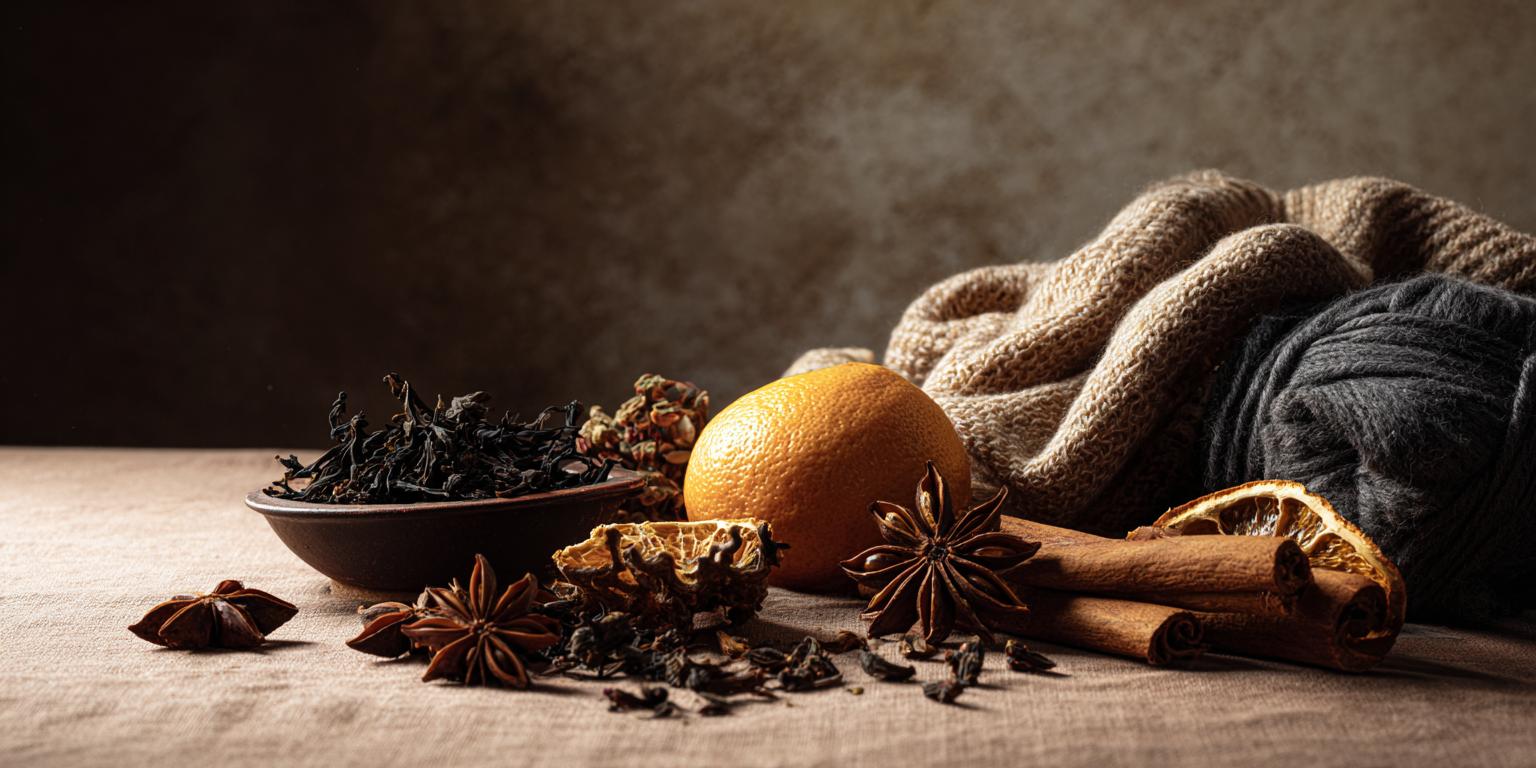
Winter tea (hero image)

Winter tea

Warmth and depth in your cup — how to choose tea for the winter.

Tea suitable for winter: this is how you choose a warm, round cup

Winter calls for a cup that feels round: body, warmth, and a calm finish. In this guide you’ll get a simple compass for choosing tea that suits cold days, without it immediately becoming sharp or heavy. We work with flavor profiles (spicy, roasted, softly floral) and with small brewing choices that really make a difference. At Maison Tisane that starts with whole botanicals, without added flavorings, and enough time so the blend can open up layer by layer.

Winter tea often goes wrong because of three reflexes: water that’s too hot, using too much, or confusing warmth with sharpness. A second pitfall is making the cup so strong that it tingles, and then needing “something sweet” to round it out. And sometimes we forget that light tea (such as oolong or white tea) can also be winter — if you brew it with attention and let it steep a little longer. If you choose based on aroma, body and finish, it becomes simple: warm, calm and just enough.

Turn your winter cup into a small ritual: pre-warm your cup, cover it while it steeps, and take a quick sniff under the lid. Luxury is attention, cup by cup.

Winter as a flavor compass

Winter tea is rarely just about “drinking something warm.” It’s about body (something that lingers), roundness (soft in the mouth), and an aroma that naturally makes you breathe a little more slowly. Sometimes that’s deep and roasted, sometimes spicy and golden, and sometimes very soft and floral.

If you often reach for the same flavors in winter, that’s no coincidence: cold and darkness call for a different balance than a light spring day. In herbal traditions, that difference is sometimes described as cooling or warming — not as a rule, but as language to help you choose better. (If you like that compass: also read Cooling or warming?.)

Quick selection guide for winter tea

1) Body

Do you want something full and supportive?
Then choose black tea, roasted notes, or earthy depth.

2) Warmth

Looking for spicy warmth?
Think ginger, cinnamon, cardamom, anise, and licorice. Finish with something soft.

3) Moment

Morning, afternoon, or evening?
Morning can be more robust; evening often calls for softness and calm in flavor.


Deep tea types for cold days

When you crave depth in winter, teas with a darker, rounder profile are often the most natural choice. Not because “strong” is better, but because oxidation, roast, and aging can give a cup that feels like a warm layer.

Five directions that often pair beautifully with winter

  • Golden Yunnan: soft and full, a cup that stays round without becoming harsh.
  • Assam: robust and warming in character, great for an early start or a long afternoon.
  • Pu-Erh: earthy depth and a long finish — calm, low, supportive.
  • Da Hong Pao oolong: roasted and layered, with a more “dry” elegance.
  • Houjicha: roasted softness, often friendlier and less sharp in winter.

Brew them winter-proof

Warmth without bitterness
Heat water to just below boiling and pour gently. In winter, “too hot” is the fastest route to a cup that turns astringent.

Make the ritual bigger, not heavier
Brew a larger pot rather than an extra-strong cup. More volume feels softer and lasts longer.

Want a clear understanding of the difference between herbal infusion and Camellia sinensis tea? Tisane or tea? helps you get oriented quickly.

Botanical winter infusions that stay round and soft

Not every winter cup needs to carry caffeine. Especially in the evening or on days when you’re mainly looking for comfort, botanical infusions are often the best route: you can build warmth with herbs, while keeping the cup soft with flowers and leaves.

Building warmth

Preserving softness

Three combinations that almost always work

  1. Ginger + orange peel + cinnamon — warm, bright, and wintry without becoming heavy.
  2. Fennel seed + cardamom + chamomile — soft, round, and very pleasant after a long day. (Fennel: fennel seed.)
  3. Rose + linden blossom + a hint of cinnamon — floral comfort with just enough warmth.

Prefer not to “turn up the volume” with extra herbs. In winter it’s often nicer to steep a little longer (covered) than to dose very high.

Examples from our collection

As a reference (simply to recognize the flavor profile): Vata No 2 leans on ginger, anise, and cinnamon with a soft roundness; Kapha No 2 is spicier and deeper; and Winterfris plays with warmth as well as a fresh, bright lift. See it as a tasting dictionary: once you know what you like, it becomes easier to choose again.

Three small brewing details that really make winter tea better

Winter makes us impatient: water boils, the cup gets hot, you pour too quickly. While in this season, calm is exactly what makes the flavor more beautiful. With three small actions you’ll taste more roundness, less astringency, and a clearer aroma.

1) Preheat your cup or pot

A quick rinse with hot water is enough. Your infusion cools less abruptly, so the flavor stays “round.” In a glass pot you can also beautifully see how botanicals open — that naturally helps you slow down.

Practical: a Signature glass pot or a spacious teapot literally gives your herbs and leaves more room.

2) Choose just below boiling

A lot of “winter bitterness” doesn’t come from the tea, but from water that’s truly boiling hard. Stop at the first bubbles or aim for around 90 degrees. Softer water and less force in the stream help too.

More detail (water, temperature, time, and rest): How do you brew herbal tea?

3) Cover and give it time

In winter you want to retain aroma. Covering keeps warmth and aroma together. For botanicals, 8 to 10 minutes often works beautifully; for tea types, shorter is usually more elegant. Taste halfway and adjust.

Brewing with loose tea? A simple tea strainer and a teaspoon make dosing calmer (and more consistent) without hassle.

Small winter bonus: store your tea really well

Winter air is often drier and you open your cupboard more often. Aroma fades faster than you think. Sealing well and storing out of direct light keeps your tea bright in flavor for longer. Storing tea gives you a simple, practical framework.

Contact

Reach us via chat
Chat WhatsApp
9am-6pm on working days
Reach us by email
E-mail contact@maisontisane.nl
Response usually the same working day
Reach us by phone
Call 040 – 240 5807
9am-6pm on working days

Create your own

Blendstudio Workshops

Inspiration

Botanicals Tea Blog

You can shop safely with us

You can shop safely with us (Webwinkel Keurmerk)

Pay securely with:

iDEAL VISA Mastercard American Express Riverty PayPal

Shopping Cart

( )

Your cart is empty

Total