Maison Tisane
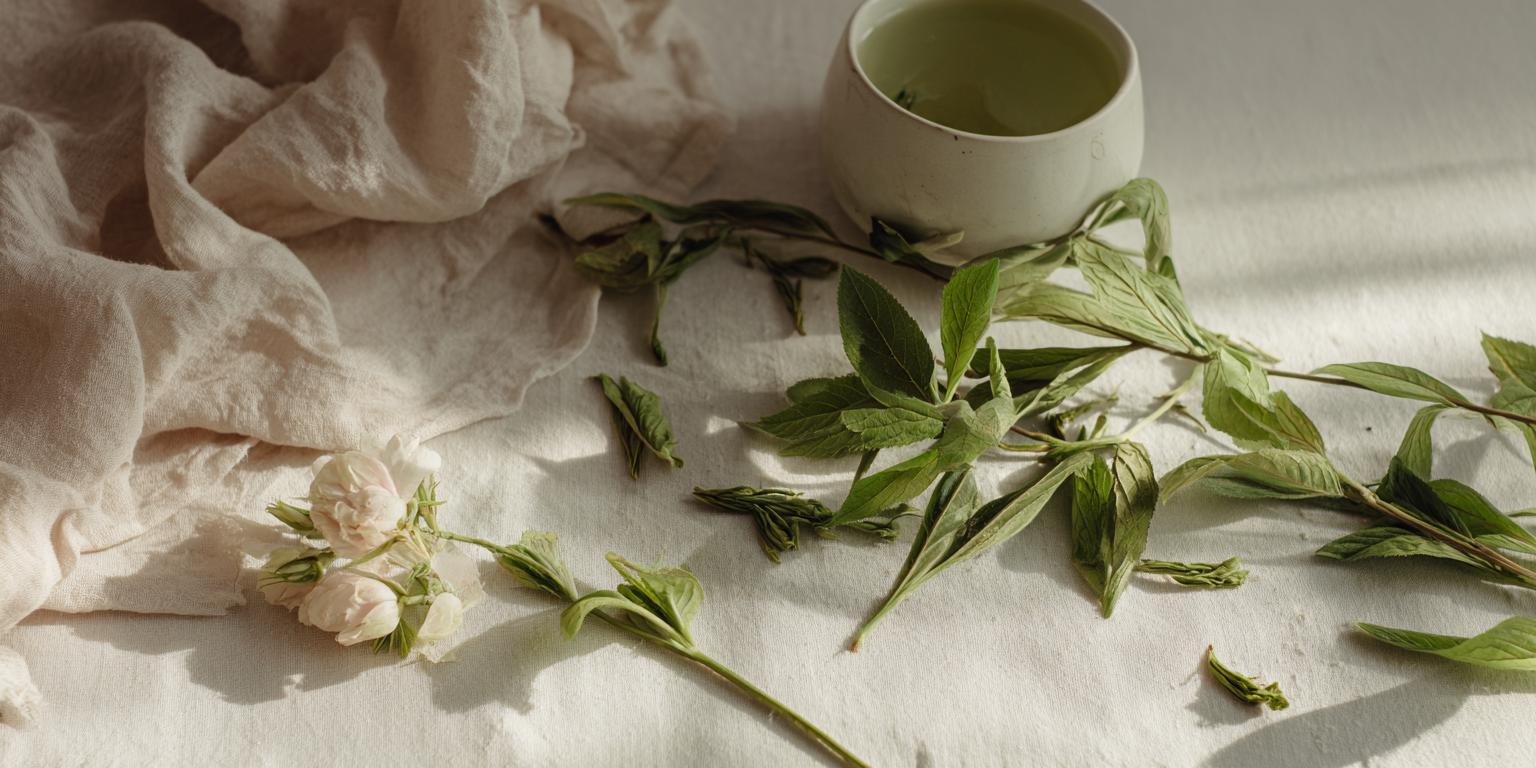
Spring tea (hero image)

Spring tea

A light tea ritual for spring — from green to floral.

Spring tea: choose light, floral and green for every moment

Spring calls for a different cup: lighter, greener, with more air. You don’t have to believe anything new — just choose differently: more flower, more leaf, less heaviness. We take you along three spring profiles and show you how to brew them gently, without bitterness. At Maison Tisane, that starts with whole botanicals and a calm brewing rhythm: just below boiling, cover, and taste when the aroma opens up.

Seductive spring blends can still turn flat or sharp if you brew them as if it were January: boiling water, a small squeeze, three minutes of haste. The gain lies precisely in small adjustments: softer water, a slightly lower temperature, and enough room so leaves and flowers can unfurl. In spring you may also dose more lightly, but do give it time; then you get clarity as well as body. See this article as a seasonal check: one aroma, one taste, and then adjust.

Make your first cup of the day with the window slightly open, cover the pot, and take a quick sniff under the lid. It’s a small moment, but just enough to let spring in.

Spring tastes like lightness

In spring, tea often shifts on its own: from dark and round to fresher, greener, more floral. Not because you “have to reset,” but because your senses start looking for more detail. The nice thing is: you don’t have to change your ritual. With small choices in botanicals and a slightly gentler brewing style, you immediately taste more clarity.

Green and herbal

This direction is fresh, dry, and elegant. Think of leaves that taste “green,” with a calm, clean finish.

Floral and soft

For days when you want something soft, but not heavy. This is spring in “bloom”: perfumed, light, and round.

Citrus and mint

If you need some “air” in your cup: fresh, light, and tingling, without sharpness.

Choose your direction in 10 seconds

  1. Is it mild or changeable outside? Mild weather often calls for citrus/floral; rain often calls for something green or herbal.
  2. What does your mouth want? “Fresh” (mint/citrus) or “round” (floral/soft).
  3. What pace do you want? A quick cup? Choose one main herb. More ritual? Combine two to three botanicals and taste layer by layer.

Want to choose just a bit more precisely by feel (cooling versus warming, without dogmas)? Then read Cooling or warming? and use it as gentle background knowledge instead of a rulebook.


Brewing advice for spring infusions

Spring botanicals are often more aromatic and lighter in profile. That doesn’t mean “steep for less time because otherwise it gets too strong,” but brew more gently: don’t boil hard, cover, and give the herbs room to unfold. That way you get a cup that stays clear and doesn’t turn astringent.

Dosage

2–3 grams per 250 ml (or 1–2 heaping teaspoons), a bit more if you also want to serve it cold

Water

85–90 °C — stop at the first bubbles, don’t let it boil hard

Time

7–10 minutes, depending on how floral or green you brew

Rhythm

Cover, don’t stir, and strain gently afterwards

Delicate and floral

Elderflower, rose, and linden blossom are beautiful, but lose nuance if the water is too hot. Brew this direction preferably at 85–88 °C and taste after 7 minutes. Missing body? Give it 1–2 extra minutes instead of more heat.

Green and leafy

Nettle, birch leaf, and tulsi do well at 90 °C and like a slightly longer extraction. Here, 8–10 minutes often works nicely, especially if you cover and give the herbs room.

If you drink real tea in spring

With Camellia sinensis (green, white, oolong), temperature is even more decisive. A light green or white tea fits beautifully with spring, but brew it at a lower temperature than you think. As a starting point: 75–80 °C for green and 80–85 °C for white. A fine spring choice from our tea collection is, for example, Sencha Premium or Bai Mu Dan — light, clear, with room for detail.

Not sure between tisane and tea? What is a tisane? calmly lays out the difference.

Three gentle tweaks that always work

  • Pour along the side of your pot or glass, so the stream doesn’t “hit” the leaf.
  • Cover while steeping: aroma is part of flavor, especially with flowers and citrus.
  • Choose space: a large filter or a roomy pot gives a cleaner, more elegant cup. (A glass pot helps surprisingly much here.)

Want the basic ritual step by step, with the most common pitfalls? How do you brew herbal tea? is our calm brewing guide.

Three spring moments

Spring is rarely one mood. One day smells like open windows, the next like a raincoat. That’s why “moments” work better than fixed schedules. Choose a direction, brew gently, and let your cup move with you.

Morning: green and clear

Recipe: 1 tsp nettle leaf + 1 tsp lemon verbena. Brew at 90 °C, 8 minutes, covered.

Want this profile as a blend, with extra layers? Pitta No 2 is fresh and herbal at the same time: mint and lemongrass with a soft floral edge.

After lunch: fresh and light

Recipe: a handful of mint (or 1 tsp peppermint) + a small pinch of fennel seed. Brew at 88–90 °C, 8–10 minutes.

No loose herbs at home? Digestive is an elegant combination of mint, fennel, and flowers, made exactly for this moment.

Late afternoon: floral and soft

Recipe: 1 tsp elderflower + 1 tsp rose petals + 1 tsp linden blossom. Brew at 85–88 °C, 7–9 minutes.

If it’s still a bit chilly outside, Spring Comfort is a nice bridge: herbal enough for coolness, but with a soft, floral finish.

A spring cup doesn’t have to be big. One good choice, one calm pour, a moment to smell under the lid. Then tea feels less like “drinking” and more like a small caring moment that makes your day just a little lighter.

Drinking cold without it getting watery

As soon as the sun shows itself, sometimes you want the same botanicals, but cooler. The trick isn’t sugar or syrup. The trick is concentration: brew a bit stronger, let it cool down calmly, and only dilute in the glass.

Method 1: hot base, serve cold

  1. Brew your infusion a bit stronger (e.g., 3–4 g per 250 ml).
  2. Let it steep for 10 minutes, covered.
  3. Cool it down, pour over ice, and optionally add a slice of lemon or a sprig of mint.

This works especially well with lemon verbena, mint, and floral blends.

Method 2: cold brew for soft florals

  1. Put 6–8 g botanicals in 500 ml cold water.
  2. Let it steep for 6–10 hours in the refrigerator.
  3. Strain and serve. Tasting too little? Next time dose a bit more, not necessarily steep longer.

Cold brew is beautiful for elderflower and rose: soft, round, and very aromatic.

Small note about bitterness

Does your iced tea quickly turn bitter? Then it was usually brewed too hot (hard-boiled water) or agitated too much (stirring, pressing, squeezing). Brew more gently, cover, and let it drain calmly. That’s almost always the quickest fix.

Spring in your cupboard

In spring, windows open, days get longer, and aroma disappears faster than you think. Botanicals like it dark, dry, and sealed. If your blend starts tasting “flat,” it’s often not the herbs, but the air, light, and heat in your kitchen.

Three storage rules that really make a difference

  • Store airtight and not above the stove (heat speeds up aroma loss).
  • Scoop your herbs with a dry spoon; moisture in the jar is the fastest route to loss of freshness.
  • Preferably buy/make smaller quantities and brew fresh more often. That fits spring: light and alive.

More about this (including common mistakes): Keeping tea fresh.

Contact

Reach us via chat
Chat WhatsApp
9am-6pm on working days
Reach us by email
E-mail contact@maisontisane.nl
Response usually the same working day
Reach us by phone
Call 040 – 240 5807
9am-6pm on working days

Create your own

Blendstudio Workshops

Inspiration

Botanicals Tea Blog

You can shop safely with us

You can shop safely with us (Webwinkel Keurmerk)

Pay securely with:

iDEAL VISA Mastercard American Express Riverty PayPal

Shopping Cart

( )

Your cart is empty

Total