Maison Tisane
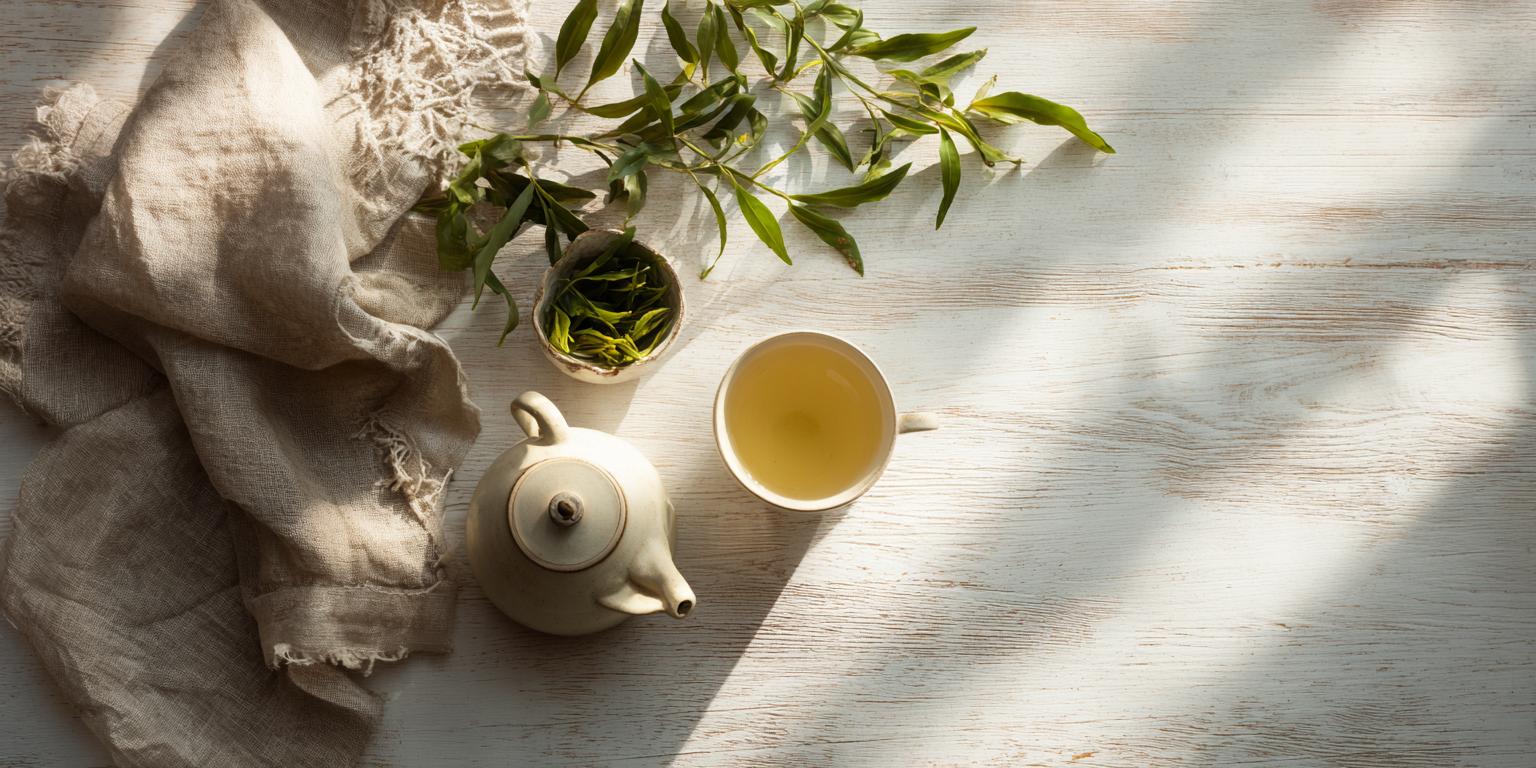
Times of the day (hero image)

Times of the day

Tea at the right moment — from morning until bedtime.

Tea timing: from morning to infusion before going to sleep

A cup can feel just right in the morning and later in the day feel less self-evident. Not because the blend changes, but because the moment does. In this guide we look at tea timing throughout the day — from morning to going to sleep — with attention to dosha times, mealtimes, and flavor balance. That way you choose not out of habit, but based on what truly fits.

Your energy shifts throughout the day. The morning often calls for something warming and bright, the afternoon for freshness, the late afternoon for roundness, and the evening for softness. Botanicals naturally play a leading role in this: leaves, flowers, seeds, and roots that adapt to the hour. Tea also has a place — certainly in the first half of the day — as long as you take intensity and caffeine into account.

It’s not about rules. It’s about recognizing when a cup opens, carries, or rounds off your day.

Timing through the day

A blend can be beautiful, but at the wrong moment feel just a bit too intense, too light, or simply too present. That’s rarely about quality — more often about timing. In our Botanicals we work with whole leaves, flowers, seeds and roots: ingredients that taste different in the morning than after a long day. And yes: there’s also room for pure tea. The only question is: when does what fit best?

Three layers that make choosing easier

  • The rhythm of your day: in Ayurveda, people often work with a day division into dosha times. Not a strict rule, but a practical lens. Want to go deeper? Doshas & tea.
  • Mealtime: before and after eating you often want something different. Mint, for example, is a classic after a meal, precisely because it tastes fresh and open. (In the Netherlands, dinner is often the main meal — we’ll come back to that in a moment.)
  • Caffeine and sharpness: pure tea contains caffeine; that can be exactly what you’re looking for for focus, or something you’d rather limit later in the day. Not as a judgment — more as a taste and rhythm choice.

We’ll keep it brief on brewing here

This article is about moment, not technique. Want to have your basics sharp (water, temperature, time, rest)? Then How do you brew herbal tea? is the best place to start. And if you want a clear view of the difference between botanical infusions and Camellia sinensis tea: Tisane or tea?.


Dosha times in brief

The dosha clock is often used in Ayurveda to understand the day: not as dogma, but as observation. The energy of a morning can feel heavier and slower; midday sharper; late afternoon more changeable. If you tune your tea or botanicals to that, choosing suddenly feels less random.

06:0010:00

Kapha time

Often a bit slower and “heavier”. Many people like something warming or spicy here.

10:0014:00

Pitta time

The day gets going. Focus and digestion often get more “fire”. Many people like clear, fresh flavors here.

14:0018:00

Vata time

Movement, air, stimuli. This is often the moment when you want something round or grounding, without becoming heavy.

In the evening, Kapha often returns (calmer, heavier), and later in the night Pitta/Vata are mentioned again. Practically translated: digestive after eating, and softer toward sleep simply makes sense for many people.

Want this in more detail, with dosha profiles and nuances? Read more here.

Morning

In Ayurveda, morning often falls under Kapha time. You sometimes notice that as a somewhat slower start: the body first wants to switch “on”. A warming start is then often the most elegant — not because it has to, but because it matches the atmosphere of that hour. Ginger is a classic here: clear, spicy, direct.

Botanicals that often start beautifully

A blend that captures this morning feeling is Kapha No 1: spicy, energetic and yet refined in taste.

If you choose tea in the morning

Early hours are also a lovely moment for a clear, green style or a light oolong — precisely because the day still lies open. Think of Sencha Premium or an elegant oolong such as Tie Guan Yin. Do you notice sensitivity to caffeine? Then it’s often nice to keep this earlier in the morning.

Midday

Around the middle of the day (Pitta time), many people like something that stays clear: fresh, light, not too heavy. This is also the moment when a cup of tea with caffeine feels most natural for some — not to perk you up, but because focus and taste often come together here.

Botanicals for a fresh midday direction

Examples from our Botanicals: Pitta No 2 (fresh and botanical) or Pitta No 1 (more floral, layered).

And after eating? Then mint is simply one of the most classic choices — precisely because it stays clean and light in taste.

Tea in the afternoon

Looking for something elegant that doesn’t become too heavy: a white tea such as Bai Mu Dan or a refined black tea such as Darjeeling First Flush can be beautiful. Above all, follow your own timing: if caffeine affects your sleep, an earlier afternoon hour is often the best place.

Late afternoon

Later in the day (Vata time) everything becomes more changeable: schedule, stimuli, conversations, screens. That’s exactly why a cup in the late afternoon often works best when it is round and bringing things together. Not heavy. But supportive. This is also the place where Vata-inspired Botanicals often feel most natural — precisely not right when you get up.

Botanicals to round off the day

Examples: Vata No 2 (warm, spicy, layered) or Harmonising (softer, round, almost “quiet” in taste).

If you still want tea later in the day

Then often choose a softer style: roasted and mild, such as Houjicha, or a small, elegant cup of oolong. Not because other tea is “wrong” — but because in the evening it’s often nicer if the taste rounds off without lifting your rhythm.

Evening after the meal

In the Netherlands, the evening is often the main meal. That makes the choice after eating extra relevant: you want something that nicely closes the meal and lets your mouth taste “open” again. A digestive character fits very naturally here — fresh, spicy, light, with enough body not to become watery.

Digestive as an evening classic

In our Botanicals, Digestive is designed precisely for this moment: fresh, layered and lovely after eating.

Tea as a digestive

Some people like a dark, round tea taste after eating — think of a pu-erh such as Pu-Erh Mannong or a roasted oolong such as Da Hong Pao. This can work beautifully, especially if you don’t drink it too late and you know how you respond to caffeine.

Later in the evening and going to sleep

After eating, the need often shifts: from sharpness to softness. Later in the evening, a cup no longer needs to “do” anything — it may simply round things off. Botanicals with flowers and roots that taste mild and round often fit best here, precisely because you don’t want to fill the night with stimuli.

Botanicals that stay soft late in the day

Two Botanicals that often fit nicely in this late hour: Relax (floral, softly layered) and Relaxation (spicy-soft, with depth).

A small check for your last cup

  • Keep it simple: one cup that rounds off your evening is often enough.
  • Look at ingredients: do you have sensitivities, are you pregnant, or do you use medication? Then always check the composition and align with your own professional where needed.
  • Want to tune further to warmth or cooling? Then Cooling or warming helps as an extra lens.

The best timing is rarely perfect. But it is recognizable: you notice when a cup opens your day, when it rounds off your meal, and when it makes your evening quieter. If you learn to choose based on that, tea becomes not a schedule but a natural part of your rhythm.

A simple daily schedule

If you want one practical order to start with, keep it light. You can always vary afterwards by season, mood and taste.

  1. Morning (Kapha): something warming or spicy. Often ginger or Kapha No 1. Optionally a clear green tea.
  2. Midday (Pitta): fresh and clear. Think of Pitta No 2 or an elegant white/oolong tea.
  3. Late afternoon (Vata): round and bringing things together. For example Vata No 2 or Harmonising.
  4. Evening after the main meal: digestive, fresh-spicy. Digestive is very natural here.
  5. Later in the evening: soft and floral toward sleep. Relax or Relaxation.

Contact

Reach us via chat
Chat WhatsApp
9am-6pm on working days
Reach us by email
E-mail contact@maisontisane.nl
Response usually the same working day
Reach us by phone
Call 040 – 240 5807
9am-6pm on working days

Create your own

Blendstudio Workshops

Inspiration

Botanicals Tea Blog

You can shop safely with us

You can shop safely with us (Webwinkel Keurmerk)

Pay securely with:

iDEAL VISA Mastercard American Express Riverty PayPal

Shopping Cart

( )

Your cart is empty

Total

Shared cart

Someone has shared a cart with you. Would you like to add these products to your cart?

Total